

The best work trucks are no longer defined solely by horsepower or purchase price. Today’s buyers must balance payload requirements, operating costs, upfit flexibility, driver experience, and long-term ownership considerations.
As fleet electrification speeds up, many businesses find that electric trucks offer more than fuel savings. This is true in delivery, municipal, utility, and vocational work.
What Makes a Work Truck Worth Buying?
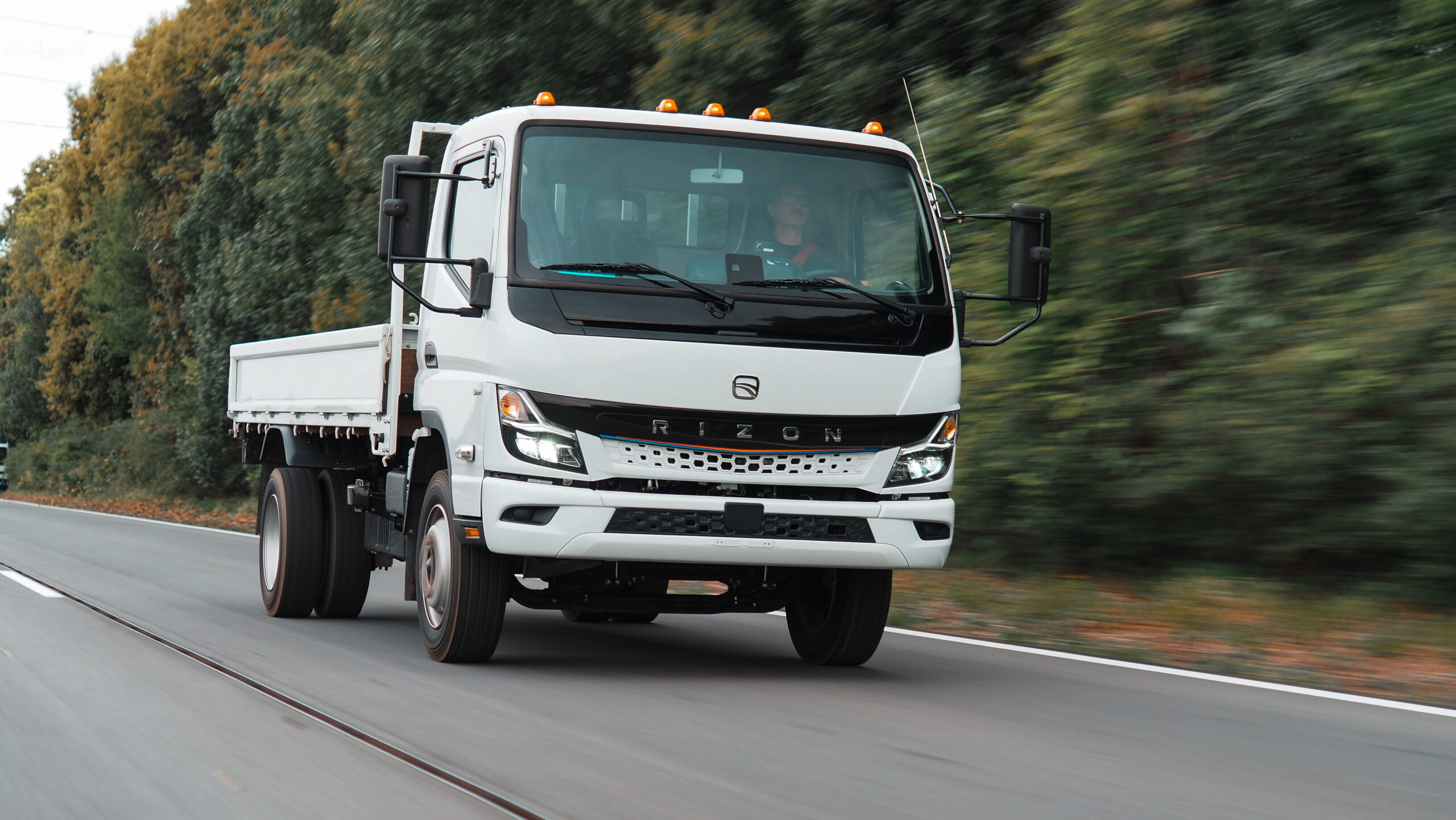
When evaluating the best work trucks, several factors help identify smart fleet buys from costly long-term burdens.
Reliability and Uptime
A truck that spends time in the shop is a truck that isn’t generating revenue. Reliability remains one of the most important considerations for any commercial vehicle purchase.
Payload and Capability
Every application has unique requirements. A delivery truck, utility truck, contractor truck, or municipal truck may require different chassis configurations, body types, and equipment. Understanding daily operating needs is critical before selecting a platform.
Upfit Flexibility
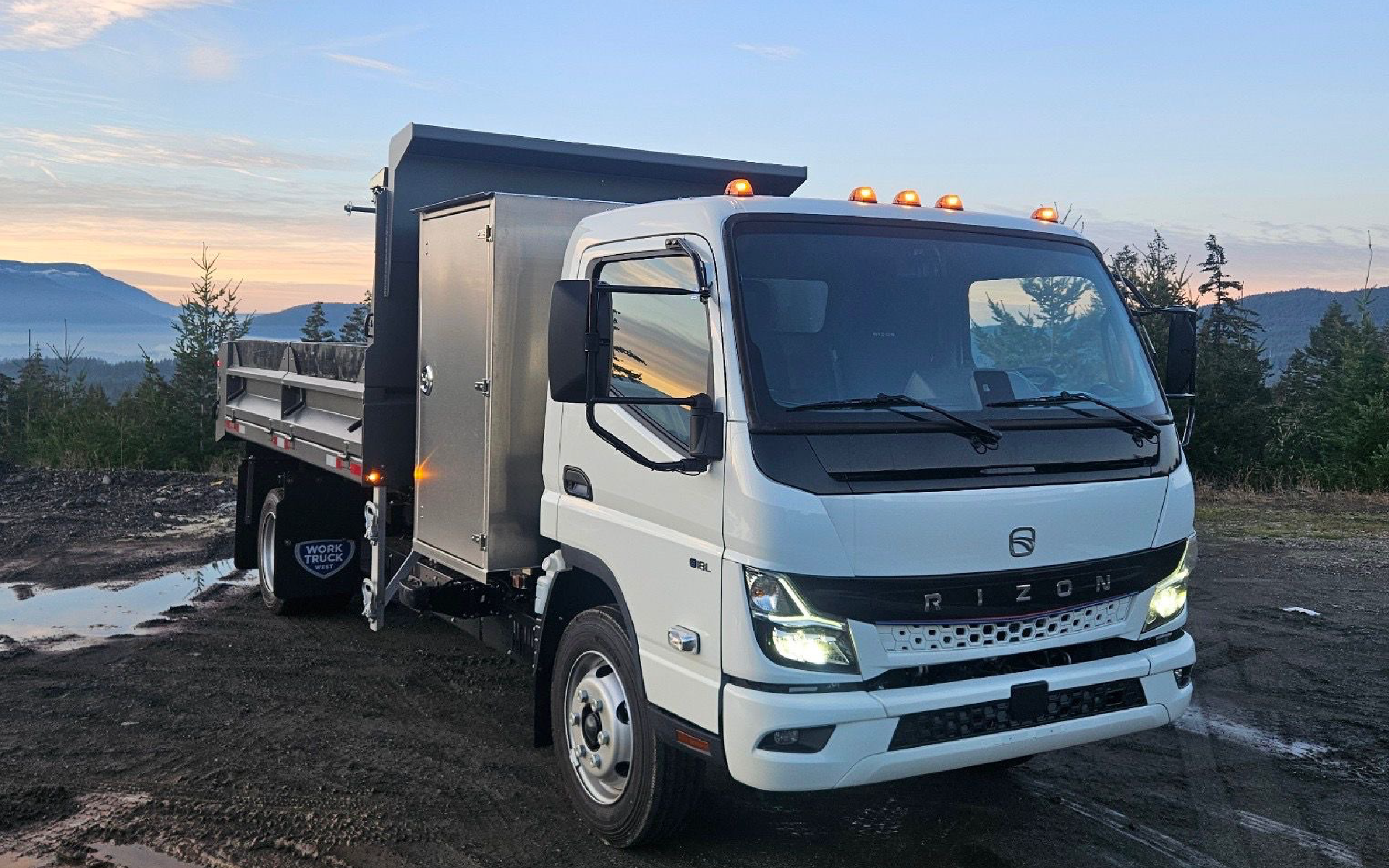
Many work trucks serve as a foundation for specialized equipment. Service bodies, dump bodies, refrigerated bodies, stake beds, and liftgates all require compatible chassis designs. Choosing a truck that supports future modifications can extend its usefulness and improve return on investment.
Purchase price tells only part of the story. Fuel, maintenance, repairs, downtime, and resale value all contribute to the true cost of owning a commercial truck.
When a Pickup Truck Isn’t Enough
Many businesses begin with pickup trucks because they are versatile and widely available. For light duty applications, a full-size truck may be sufficient for transporting tools, equipment, or materials.
However, commercial operations often outgrow pickup platforms. While manufacturers frequently promote maximum towing figures and towing capacity, many businesses place greater value on payload, cargo volume, and upfit flexibility.
Many commercial applications require specialized bodies, equipment, or storage that exceed the capabilities of a typical pickup truck. In these situations, a medium-duty truck is often a better choice.
It usually provides a stronger foundation than a vehicle designed for both personal and work use.
The best work trucks are often built for a specific job, not for general transportation.
Best Work Trucks by Application
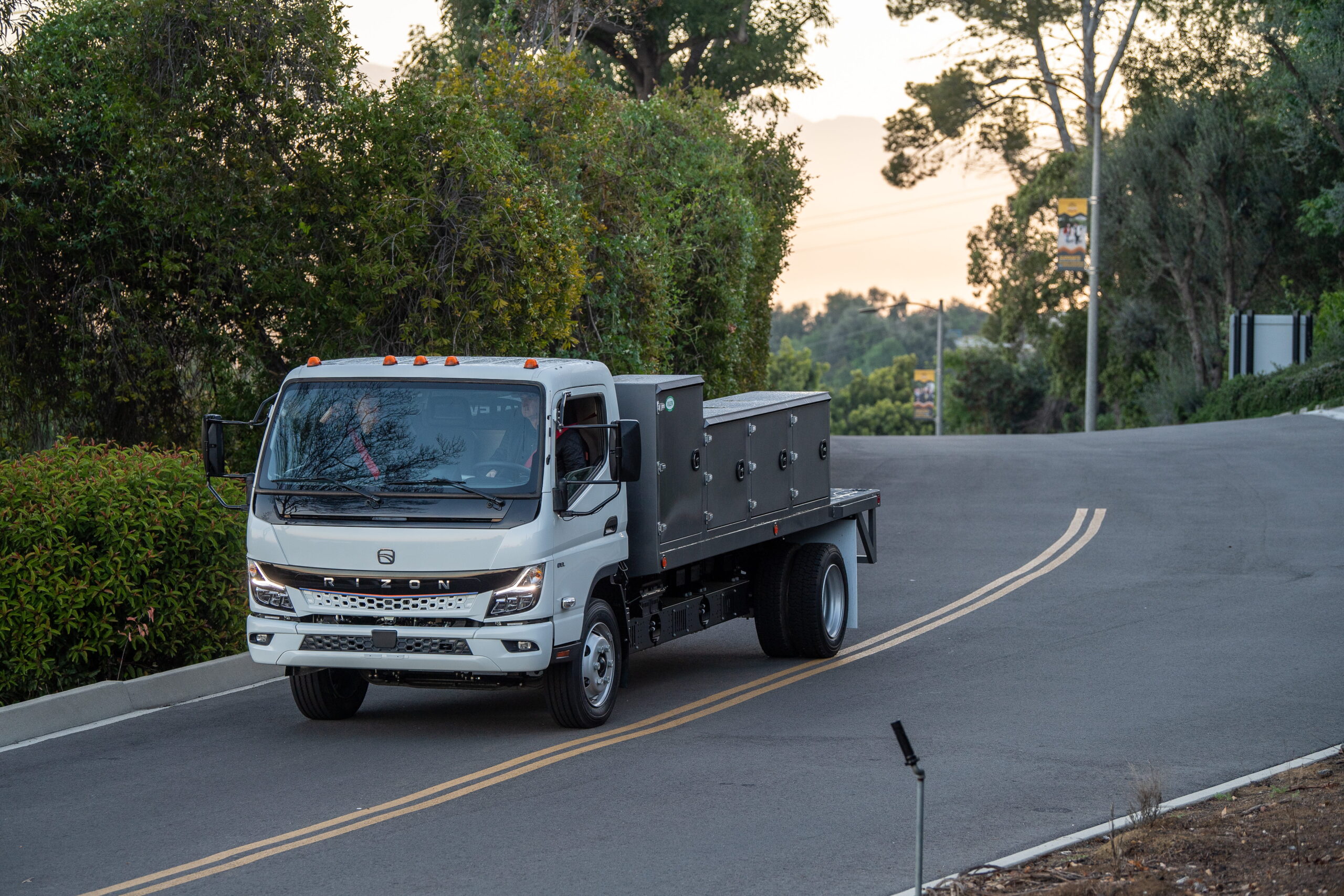
The best work trucks are typically those designed around a specific application. Understanding how you will use the vehicle often narrows the choices better. It works better than comparing horsepower, towing capacity, or new model year updates.
Delivery fleets typically benefit from vehicles designed for predictable routes, frequent stops, and efficient cargo access. Payload capacity, cargo volume, maneuverability, and operating costs often matter more than towing capability.
For urban and regional deliveries, box trucks are common fleet vehicles because they maximize cargo space. They also keep manageable dimensions.
Contractors and Trades
Contractors often prioritize storage, payload capacity, durability, and ease of upfitting. Service bodies, ladder racks, tool storage systems, and jobsite accessibility become key purchasing factors.
Utility Services
Utility fleets often prioritize chassis compatibility with specialized equipment such as aerial lifts, compressors, and service bodies.
Municipal Fleets
Municipal truck applications range from parks and recreation departments to public works operations. Reliability, ease of maintenance, and predictable operating costs often drive purchasing decisions.
Vocational Applications
Vocational trucks support tasks such as refuse collection, landscaping, construction, and dump operations. These applications often require hydraulic systems, PTO systems, and body-specific equipment.
Why Electric Trucks Are Joining the List of Best Work Trucks
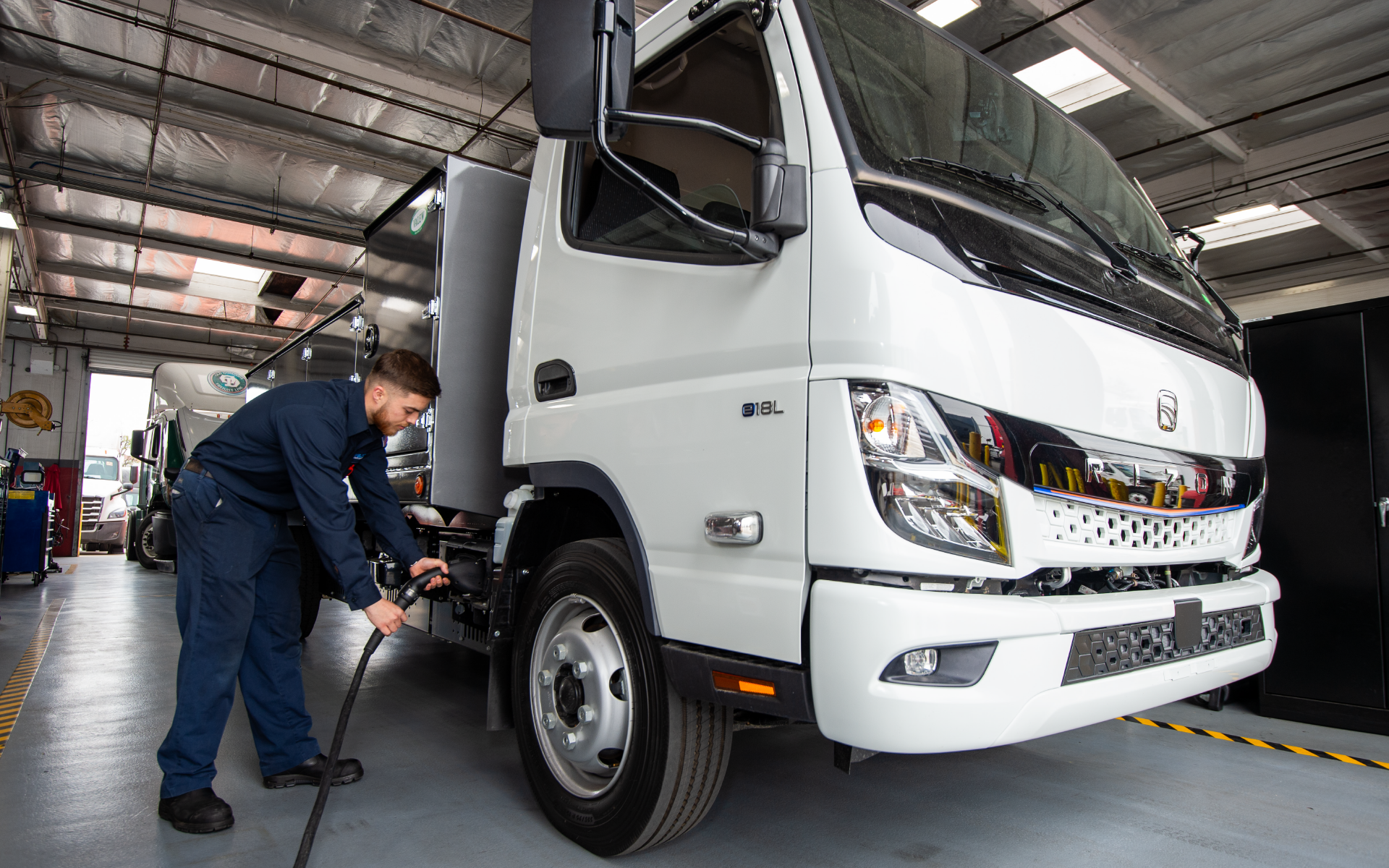
Electric vehicles are showing up more often on best work truck lists. They meet key needs of today’s fleet operators.
Many commercial vehicles travel on the same routes each day. They return to a central site daily. They mainly operate in urban or suburban areas. These conditions align particularly well with electric truck technology.
Unlike diesel vehicles, electric trucks remove many routine maintenance tasks tied to combustion engines.
These include oil changes, fuel system service, and exhaust aftertreatment systems. For fleet managers, this can simplify truck maintenance planning and reduce downtime.
For many businesses, the question is no longer if an EV has enough capability. It is whether the operating profile fits the intended use.
Did You Know?
Many commercial fleet vehicles travel fewer than 100 miles per day and return to the same location every evening. This predictable usage pattern is one reason electric trucks are becoming increasingly practical for commercial operations.
Best Electric Work Trucks for Commercial Use
When evaluating the best electric work trucks, buyers should focus on practical operating requirements rather than headline specifications.
Questions like payload, daily route distance, charging strategy, and body setup often matter more than max towing numbers. Towing and hauling still matter for some industries. Many commercial fleets spend more time carrying cargo, equipment, and work bodies than towing trailers.
Buyers should evaluate:
• Daily route length
• Payload requirements
• Available charging infrastructure
• Upfit compatibility
• Service support
• Total cost of ownership
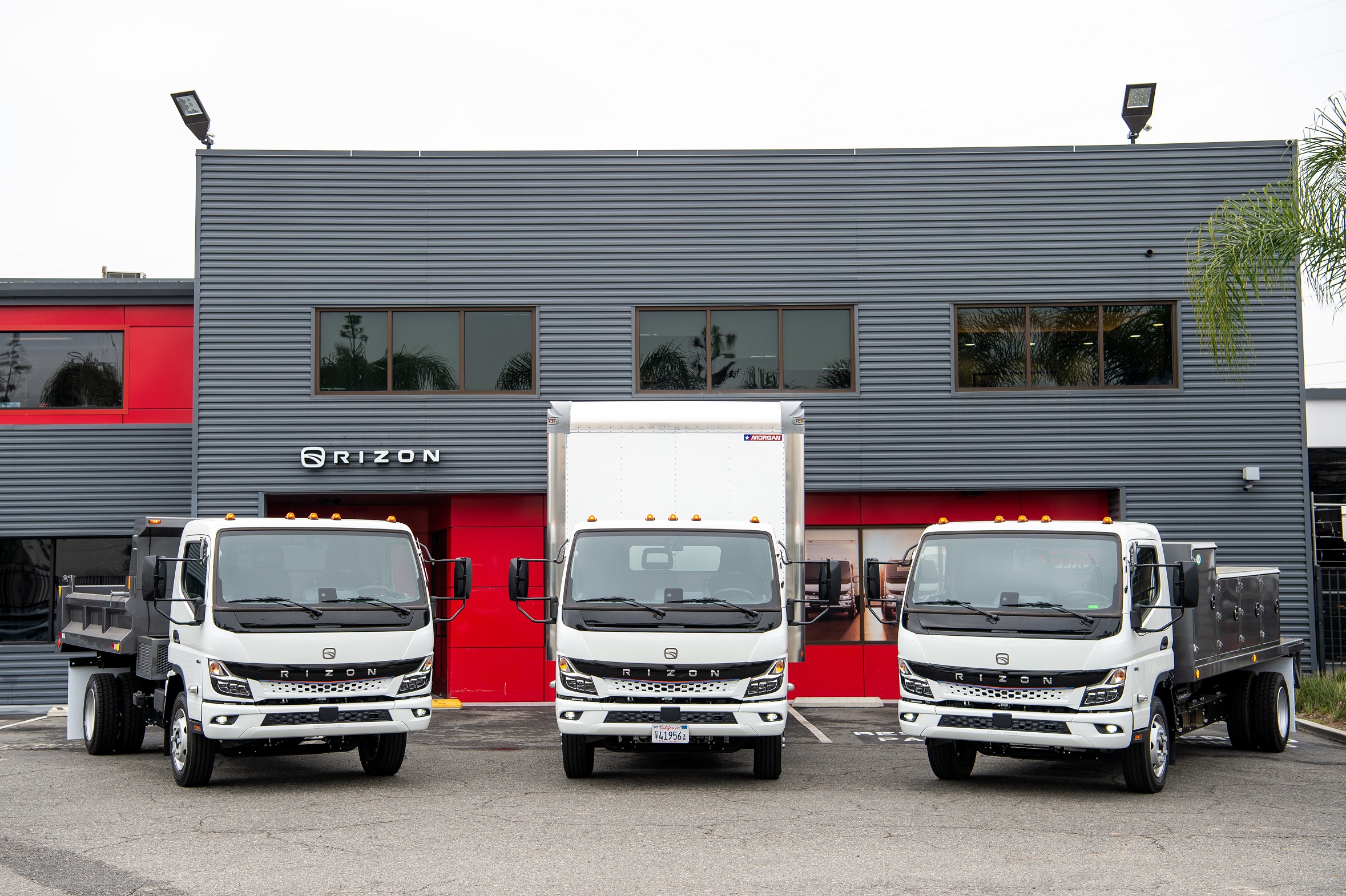
Purpose-built electric platforms are increasingly addressing these requirements. RIZON’s Class 4 and Class 5 electric trucks are built for commercial use. They support many vocational upfits, including:
• Stake beds
• Flatbeds
• Refrigerated bodies
This flexibility lets businesses set up an electric work truck for the task. It avoids changing operations to fit the vehicle.
Available in several wheelbase options, RIZON shows how electric trucks fit real-world commercial use.
For fleet operators seeking the best electric work trucks, versatility is often just as important as range.
Did You Know?
Unlike many pickup trucks, medium-duty commercial chassis are built mainly for payloads, job equipment, and body integration. That design philosophy often makes them better suited for dedicated commercial applications.
Questions to Ask Before Choosing a Work Truck
Before investing in any commercial truck, buyers should carefully evaluate how the vehicle will actually be used.
Key questions include:
• What is the average daily route length?
• What payload must the truck carry?
• Will the vehicle require a specialized upfit?
•What are the expected maintenance requirements?
• How often will the truck need servicing?
• Is future electrification part of the fleet strategy?
Answering these questions often narrows the field more effectively than comparing specifications alone.
Looking Beyond the Purchase Price

One of the biggest mistakes buyers make is focusing exclusively on acquisition cost.
Fuel, maintenance, repairs, and downtime often have a greater impact on long-term profitability than the purchase price itself.
For decades, truck buying decisions often centered on fuel economy, towing capacity, and purchase price. While those factors remain important, businesses increasingly evaluate vehicles based on lifecycle costs, uptime, maintenance requirements, and operational efficiency.
The most valuable comparison is not purchase price versus purchase price. It comes down to comparing total cost of ownership with total ownership cost.
Did You Know?
Many fleet managers now rely on total lifecycle cost analysis when selecting new vehicles.
This method looks at the total cost to run a truck over its full service life.
It doesn’t concentrate solely on the initial purchase cost.
Regional EV Incentives

For buyers concerned about purchase price, depending on the location, generous incentives are available.
For example, California provides rebates up to $120,000 for a medium duty commercial electric vehicle. Washington State’s WAZIP program also provides significant rebates depending on the gross vehicle weight.
Provincial incentives also exist. British Columbia, for example Specialty -Use Vehicle Incentive program (SUVI) offers point-of-sale rebates up to 33% of a vehicle’s total purchase price.
Choosing the Right Truck for the Future
The best work trucks match your work needs, business goals, and long-term ownership plans.
For some organizations, that may continue to be a conventional diesel platform. Increasingly, however, businesses are finding that purpose-built electric trucks offer strong value for local and regional operations.
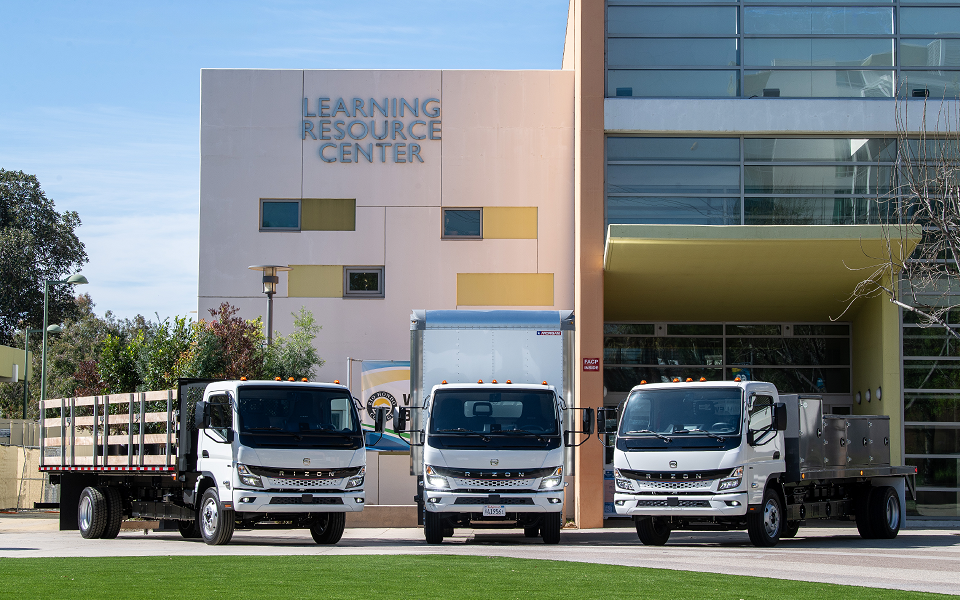
As truck technology evolves, buying decisions will rely less on tradition and more on data. They will focus on capability, operating costs, uptime, and productivity. Electric work trucks such as RIZON are already supporting delivery, municipal, vocational, and service fleet operations today.