
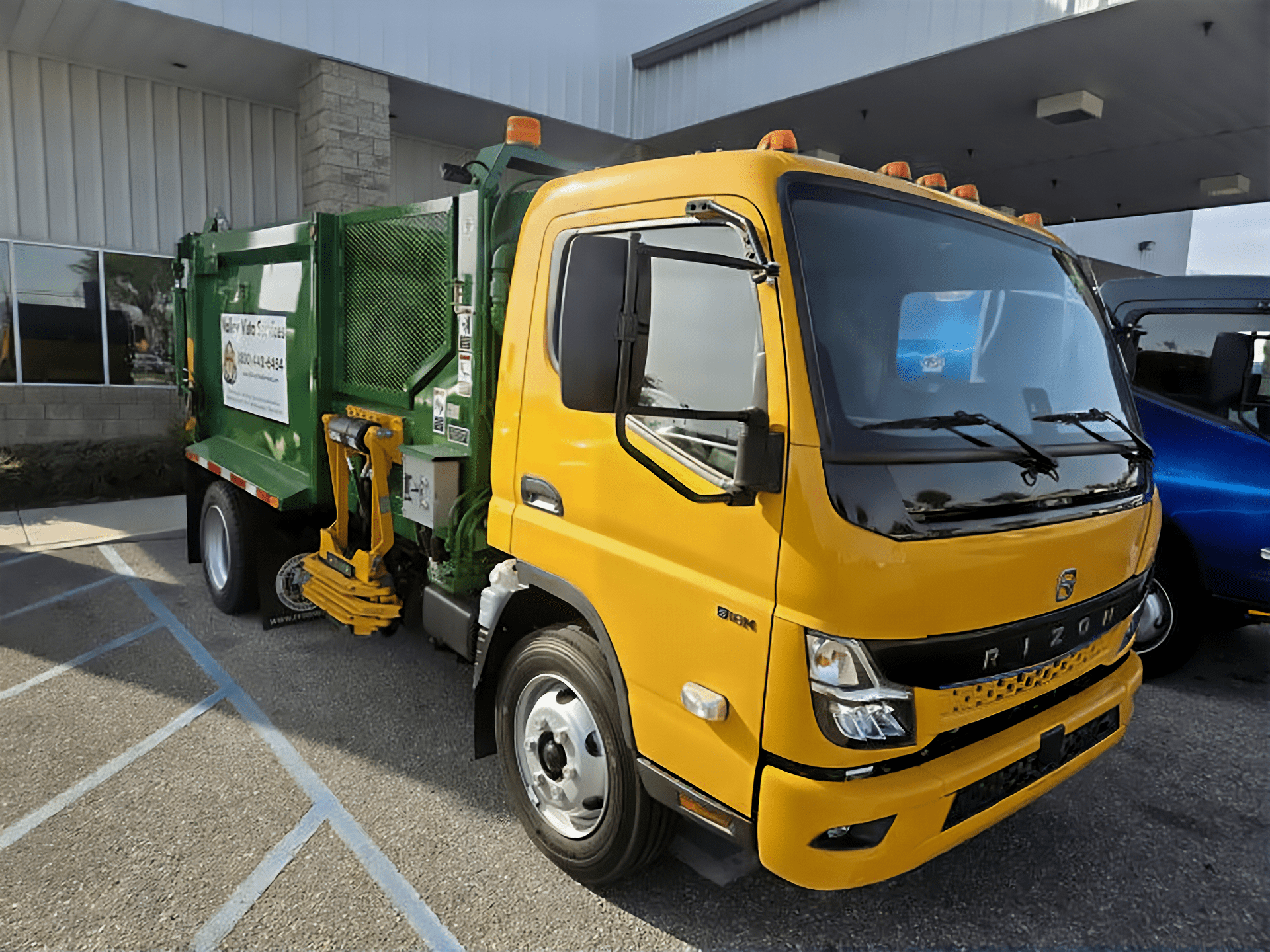
An electric refuse truck powers both driving and compaction using stored electrical energy from HV batteries instead of an internal combustion engine.
By using systems such as electric power takeoff (ePTO) to run hydraulic compactors and auxiliary equipment, these trucks can perform waste collection tasks without engine idling, making them well suited for stop-and-go municipal routes.
This approach changes how energy is used across the workday. Instead of relying on an engine for both movement and equipment operation, the vehicle draws from a single electrical system that supports the full duty cycle of refuse collection.
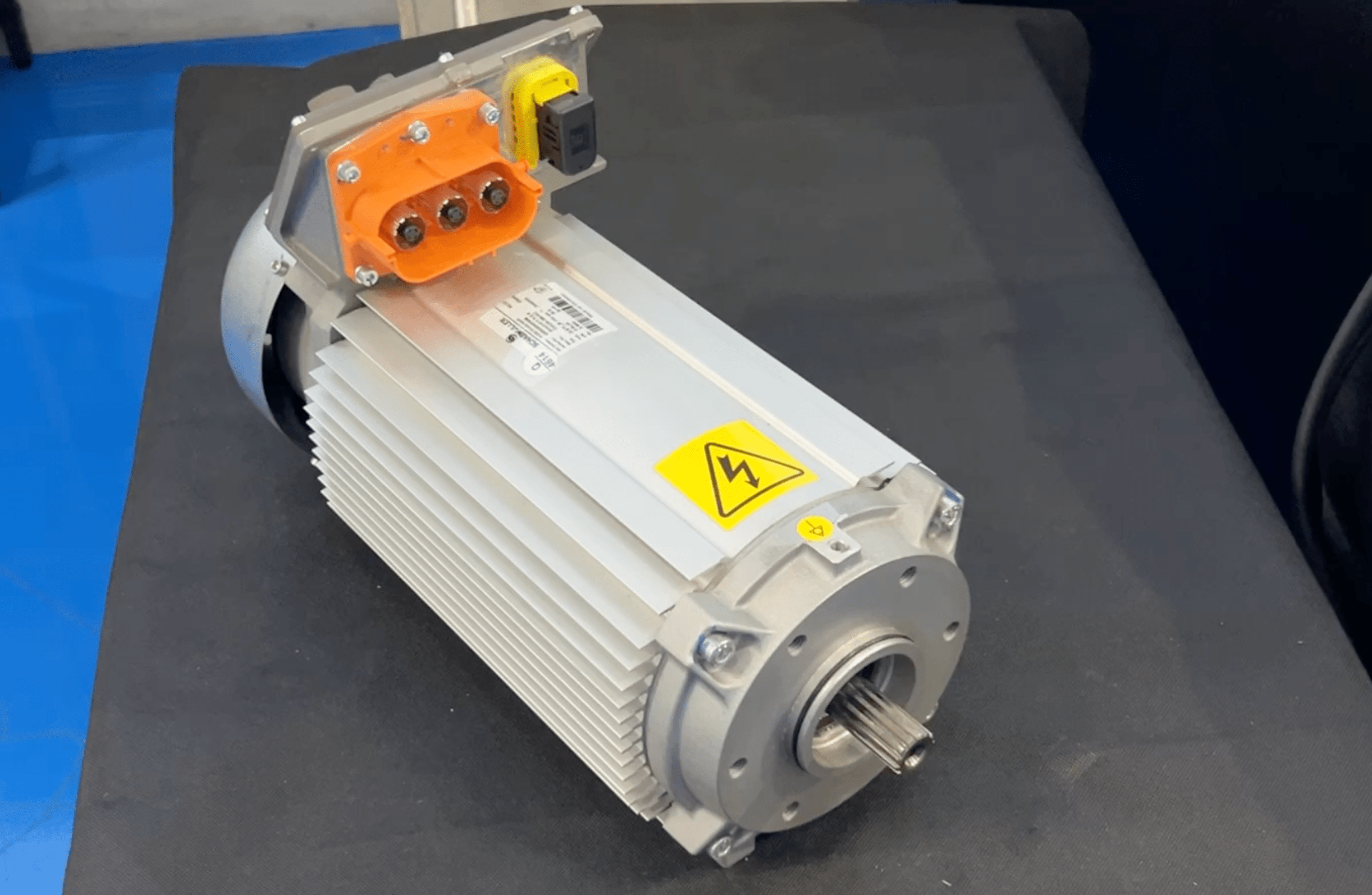
What Is an Electric Refuse Truck
Electrification doesn’t change what a refuse truck does, it changes how it does it.
In a conventional truck, the engine powers both the drivetrain and a mechanical PTO system that drives hydraulic equipment. An electric refuse truck replaces this setup with a battery-electric platform where propulsion and auxiliary systems operate through integrated electrical components.
For fleet operators, this means fewer transitions between driving and working modes. The truck operates as a continuous system, with energy allocated where it’s needed throughout the route.
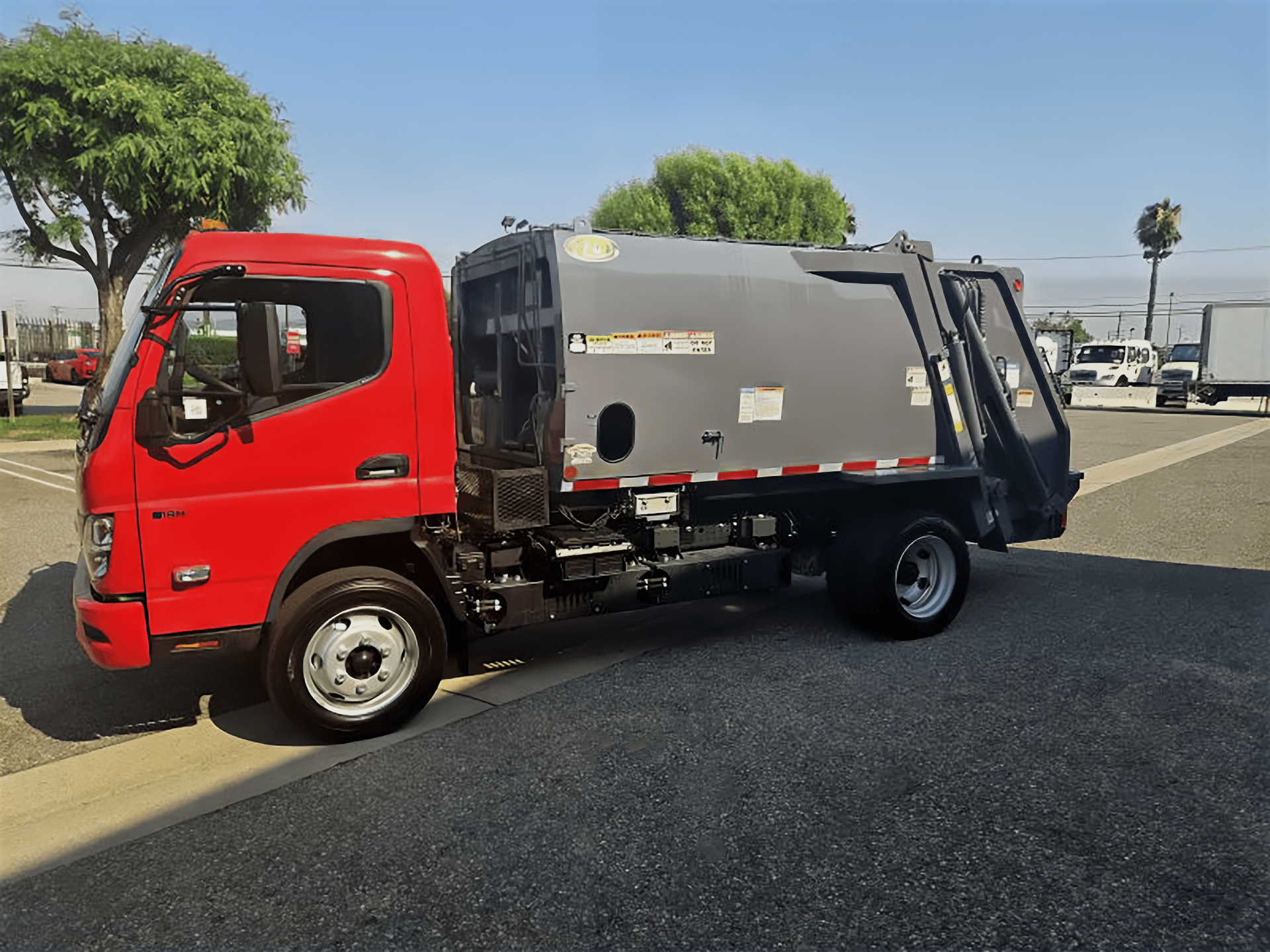
How an Electric Refuse Truck Works in Daily Operations
Refuse collection follows a distinct pattern: short driving distances, frequent stops, and repeated compaction cycles.
In diesel trucks, compaction requires the engine to remain running, leading to extended idle periods. An electric refuse truck eliminates that dependency.
The battery supplies energy to both the drivetrain and auxiliary systems. Through an electric PTO (ePTO), the truck powers hydraulic systems in trucks—such as compactors—without relying on engine operation.
This allows:
• Compaction while the vehicle is stationary
• Elimination of idle-dependent operation
• More consistent energy use across the route
Regenerative braking also helps recover energy during frequent stops, supporting efficiency in urban routes.
Why Refuse Collection Is Well Suited to Electrification

Refuse collection is a strong candidate for electrification because of how consistently it operates.
Routes are typically fixed, with vehicles returning to a central depot each day. This predictability simplifies planning and deployment. At the same time, the stop-start nature of collection aligns well with electric drivetrains.
In conventional setups, the compactor is powered through a mechanical PTO linked to the engine, which ties equipment operation directly to engine activity. Electrified systems decouple this relationship, allowing auxiliary functions to run independently of the drivetrain.
Reduced noise can also improve early-morning collection in residential areas, where minimizing disruption is important.
Benefits of Electric Refuse Trucks for Municipal Fleets
For municipal EV fleet operators, the benefits of electric refuse trucks are tied directly to how these vehicles are used.
• Idle-free equipment operation
Hydraulic systems operate without requiring engine use during compaction.
• Lower mechanical strain
Reduced reliance on engine-driven components and mechanical PTO systems can lower wear over time.
• Quieter operation
Lower noise output supports residential and urban collection routes.
• Operational predictability
Consistent routes allow fleets to better plan daily energy use and vehicle deployment.
Real-World Electric Refuse Truck Applications
Electric refuse truck deployments are expanding as fleets move into regular service.
Common applications include:
• Residential curbside pickup
• Dense urban routes
• Municipal sanitation services
Electric refuse trucks are typically configured as rear loaders, front loaders, or side loaders depending on route structure, collection method, and payload requirements.
Real-world implementations show that electric waste collection vehicles can support standard refuse operations, including compaction and payload handling, within existing workflows.
In applications highlighted by RIZON, electric platforms have demonstrated the ability to integrate refuse bodies and support in-route operations without relying on traditional engine-driven systems.
Key Considerations for Fleet Operators
Adopting an electric refuse truck requires aligning the vehicle with operational needs.
• Route compatibility
Daily distance, stop frequency, and workload must match vehicle capabilities.
• Energy usage across functions
Driving and compaction draw from the same battery, requiring route-level planning.
• Body integration
Refuse bodies must be compatible with electric PTO systems for reliable operation.
• Charging strategy
Vehicles must be able to recharge within their normal operating schedule.
How RIZON Supports Electric Refuse Truck Operations
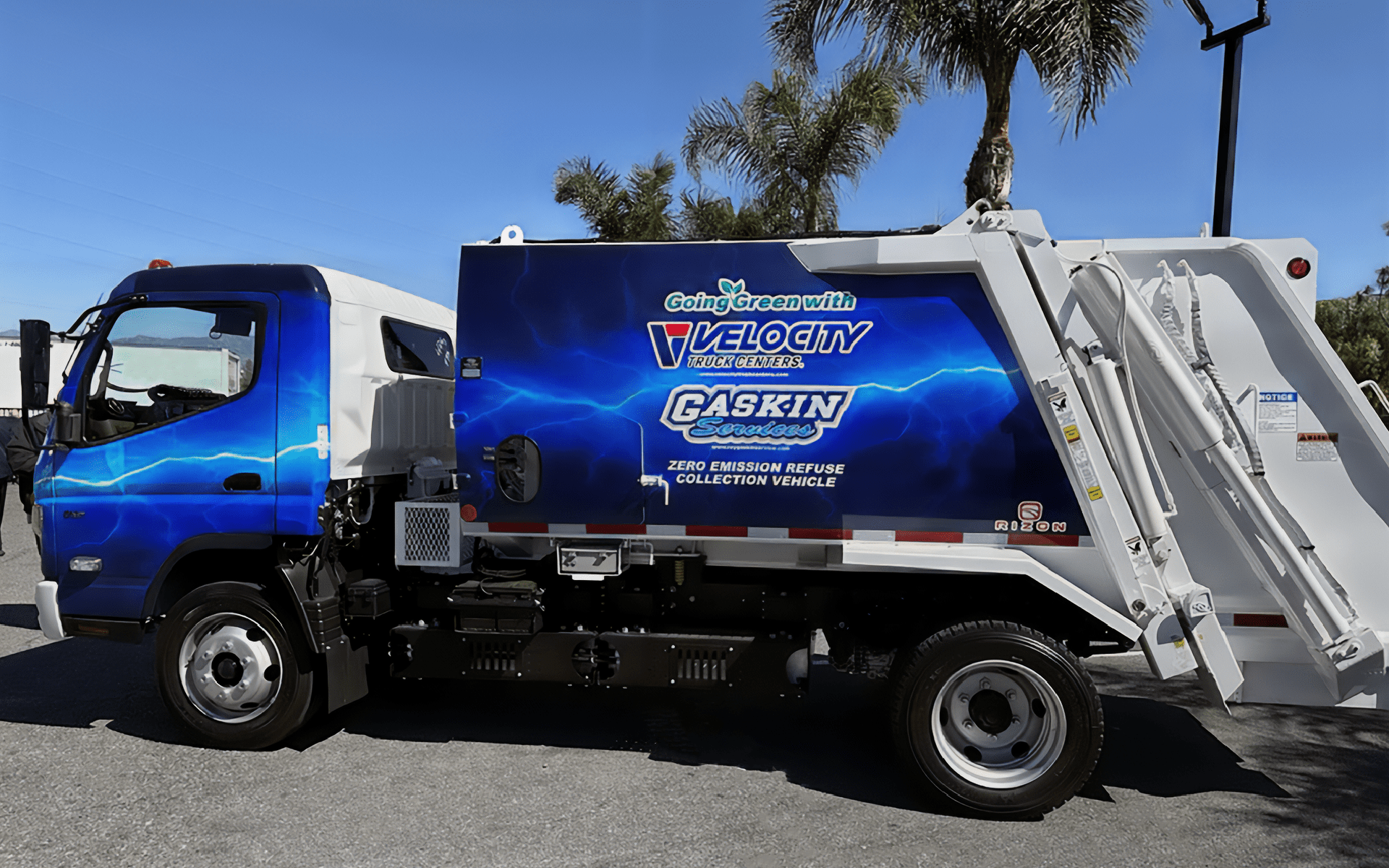
Platform design plays a key role in real-world performance.
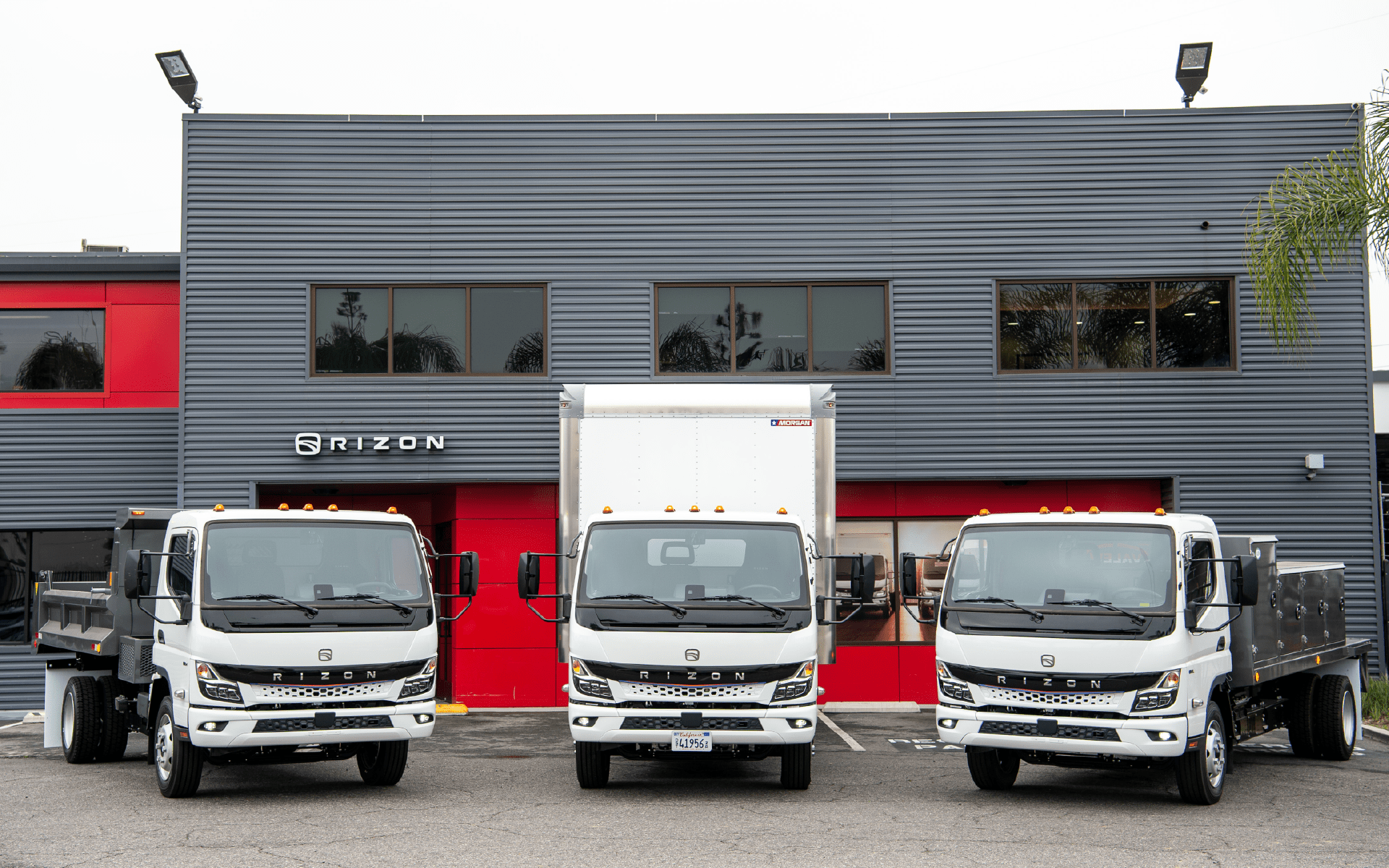
RIZON’s Class 4–5 electric trucks are built for commercial applications where auxiliary systems are part of daily operations. Their compatibility with hydraulic systems and upfits, including refuse bodies, supports integration into municipal fleets.
By enabling electric PTO functionality, RIZON trucks allow both driving and equipment operation to run from a unified energy system. This is critical for maintaining performance across refuse routes.
RIZON trucks are already on the road today in commercial and municipal environments, demonstrating how electric platforms can be applied to real-world work applications.
Where Electric Refuse Trucks Are Headed
Electric refuse trucks reflect a broader shift in how fleets evaluate performance—moving beyond engine output to overall operational efficiency.
Because refuse collection combines predictable routes with equipment-intensive workflows, it remains one of the most practical applications for electrification. As adoption grows, the focus will continue to be on reliability, integration, and day-to-day usability.
For fleet operators, the transition is becoming less about feasibility and more about execution—deploying vehicles that align with operational demands and perform consistently in daily service.
Electric Refuse Truck FAQs
What is an electric refuse truck?
An electric refuse truck is a battery-powered waste collection vehicle that uses electric systems to drive the vehicle and operate equipment like hydraulic compactors. It eliminates the need for engine idling during waste collection tasks.
How does an electric refuse truck power its compactor?
An electric refuse truck uses an electric power takeoff (ePTO) system to run hydraulic equipment. The system draws energy from the vehicle’s battery, allowing compaction to occur while the truck is stationary and without engine use.
Are electric refuse trucks suitable for municipal fleets?
Electric refuse trucks are well suited for municipal fleets because waste collection routes are predictable, return-to-base, and involve frequent stop conditions that align well with electric vehicle operation.
What are the main benefits of an electric refuse truck?
Key benefits include reduced idling, quieter operation, lower mechanical wear, and more consistent energy use across daily routes.
What types of refuse bodies can electric trucks support?
Electric refuse trucks can be configured with rear loader, front loader, or side loader bodies depending on the collection method and route requirements.