
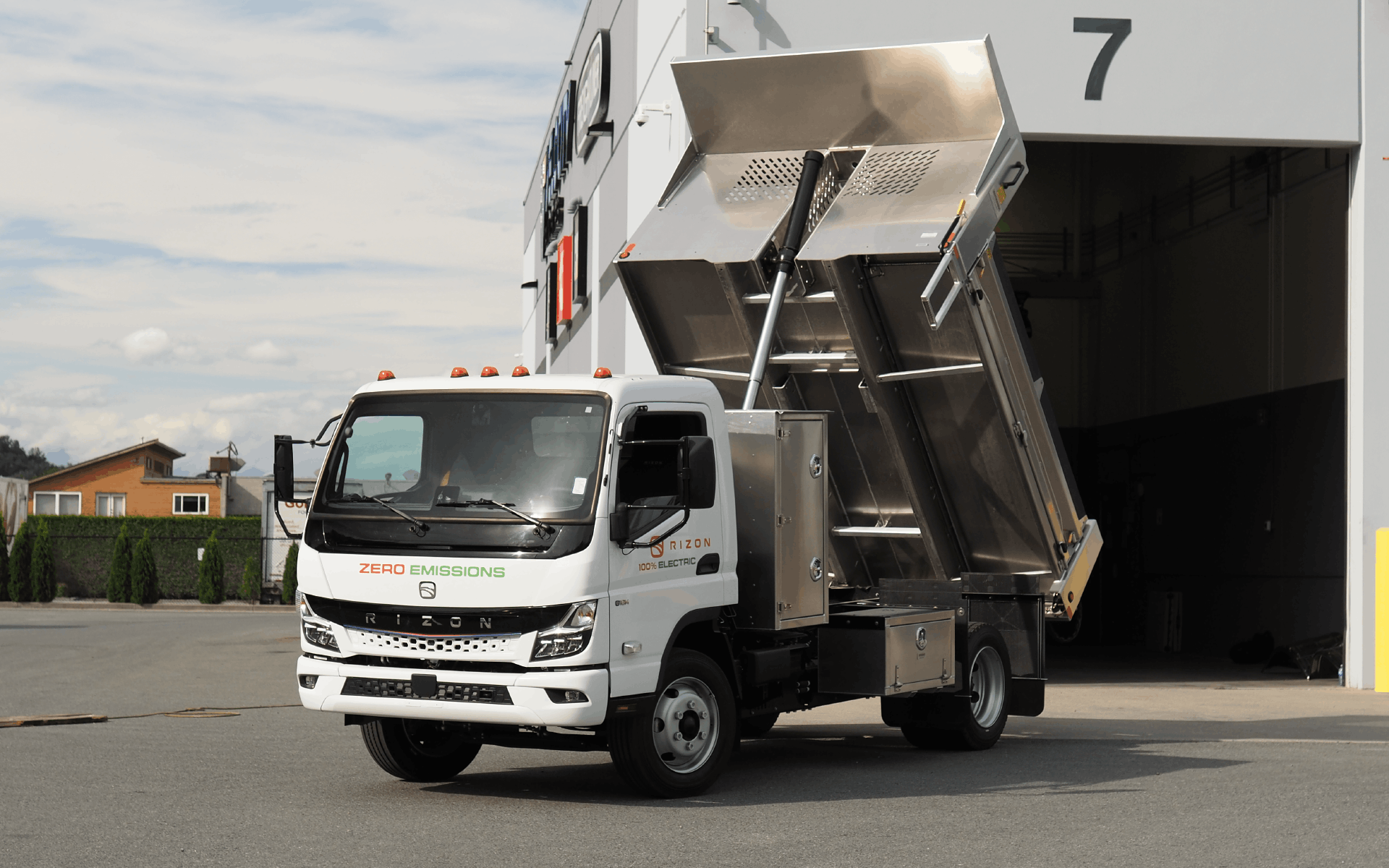
ePTO (Electric Power Takeoff) is a system that allows electric vehicles to power auxiliary equipment—such as hydraulic pumps, refrigeration units, and lifts—using energy from the vehicle’s HV battery instead of an internal combustion engine.
Unlike traditional PTO systems, ePTO operates independently of the drivetrain, enabling work functions without engine idling. This makes it a critical technology for modern commercial EV applications focused on efficiency and emissions reduction.
What Is ePTO and How Does It Work
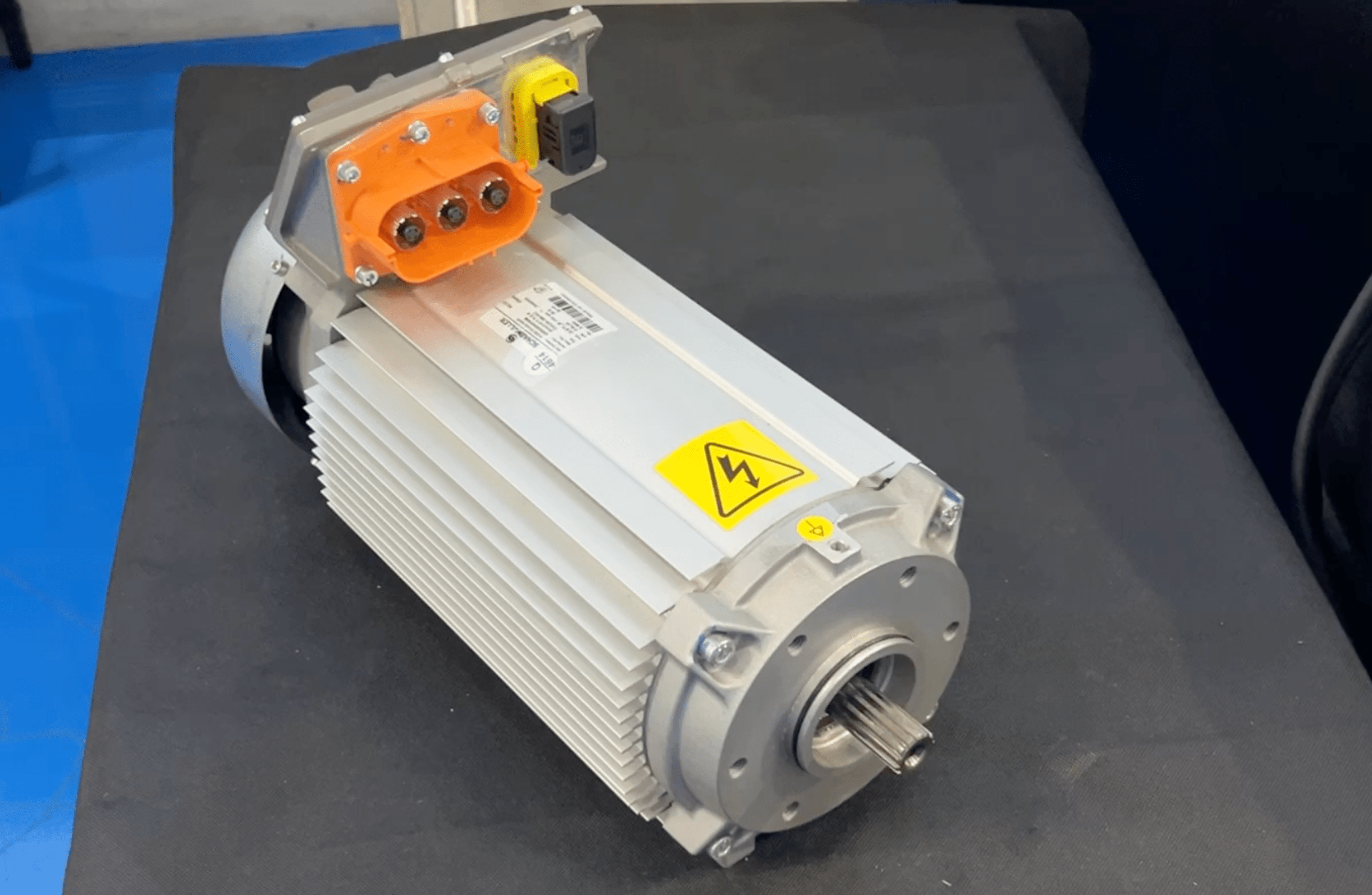
At its core, an ePTO system replaces the mechanical linkage used in traditional PTOs with an electrically driven system. Instead of drawing power from an engine or transmission, it uses the vehicle’s high-voltage battery as its energy source.
The system typically includes:
• An inverter that converts DC battery power into usable AC power or controlled electrical output for auxiliary systems
• An independent electric motor dedicated to auxiliary functions
• A mechanical interface (such as a gearbox or spline drive) connected to equipment like a hydraulic pump or compressor
Because the system operates independently from the main drive motor, operators can run auxiliary equipment while the vehicle is stationary, without consuming fuel or generating emissions. This is particularly relevant for trucks that spend extended periods performing stationary tasks.
Trucks that rely on rear auxiliary power in sensitive environments—such as public parks, early-morning refuse routes, or indoor facilities—benefit from the zero-emission operation of ePTO systems.
ePTO vs Traditional PTO Systems
Traditional power takeoff systems are mechanically driven. They connect directly to the vehicle’s engine or transmission and rely on engine operation to transfer power to auxiliary systems.
Key differences include:
• Energy Source:
Traditional PTO uses engine power, while ePTO draws from the HV battery
• Operation:
Mechanical PTO requires the engine to run; ePTO can operate with the vehicle stationary and the drivetrain inactive
• Efficiency:
Mechanical systems often result in fuel consumption during idle; ePTO eliminates this by using stored electrical energy
• System Design:
ePTO functions as a self-contained electric PTO system rather than a drivetrain-dependent component
This shift from mechanical to electrical auxiliary power systems is a fundamental change in how work trucks perform non-driving tasks.
• Where ePTO Is Used in Commercial Vehicles
ePTO systems are designed to support a wide range of commercial EV applications where auxiliary equipment is essential to daily operations.
Common use cases include:
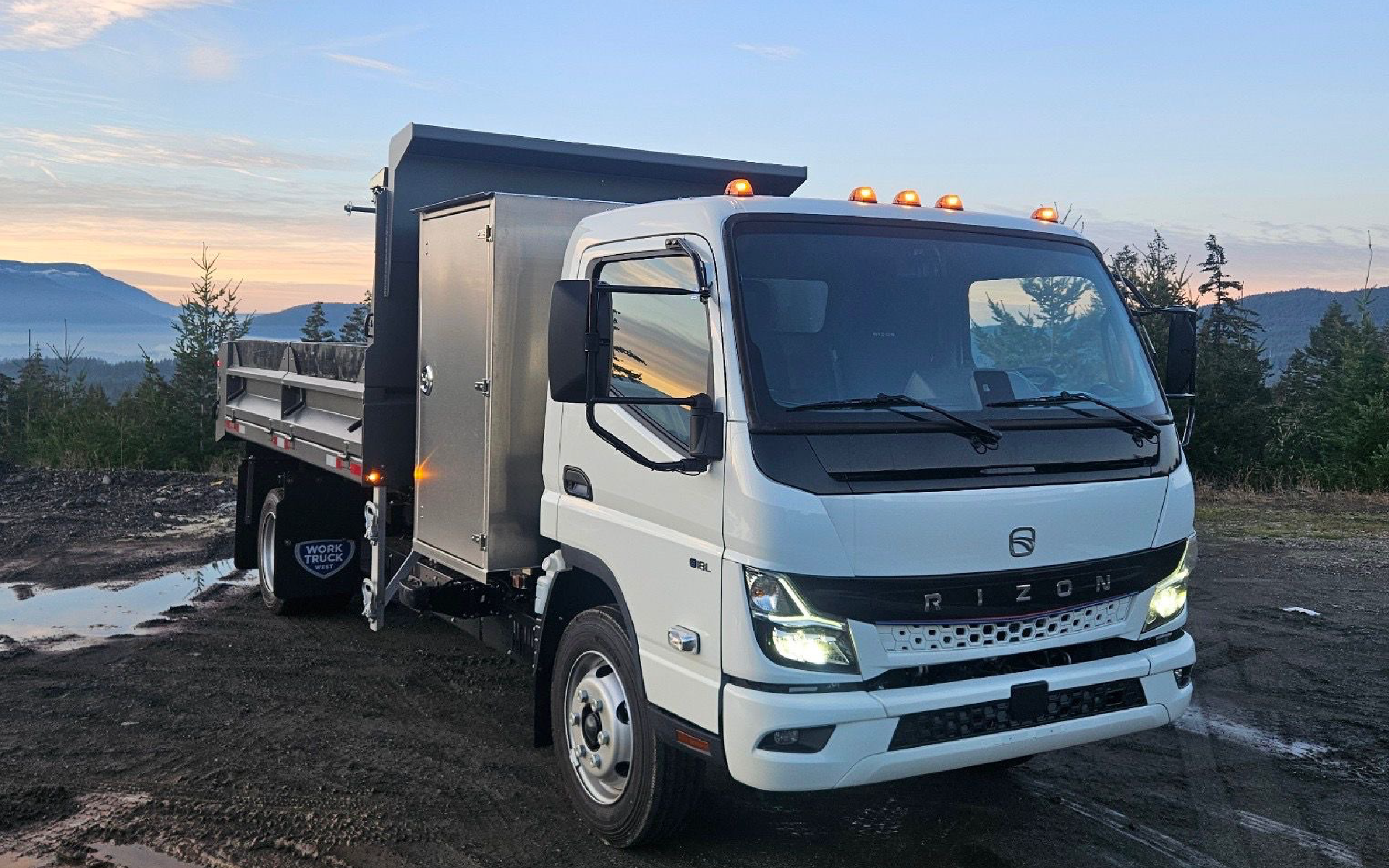
• Tipper and dump trucks: powering hydraulic systems used to lift and unload materials
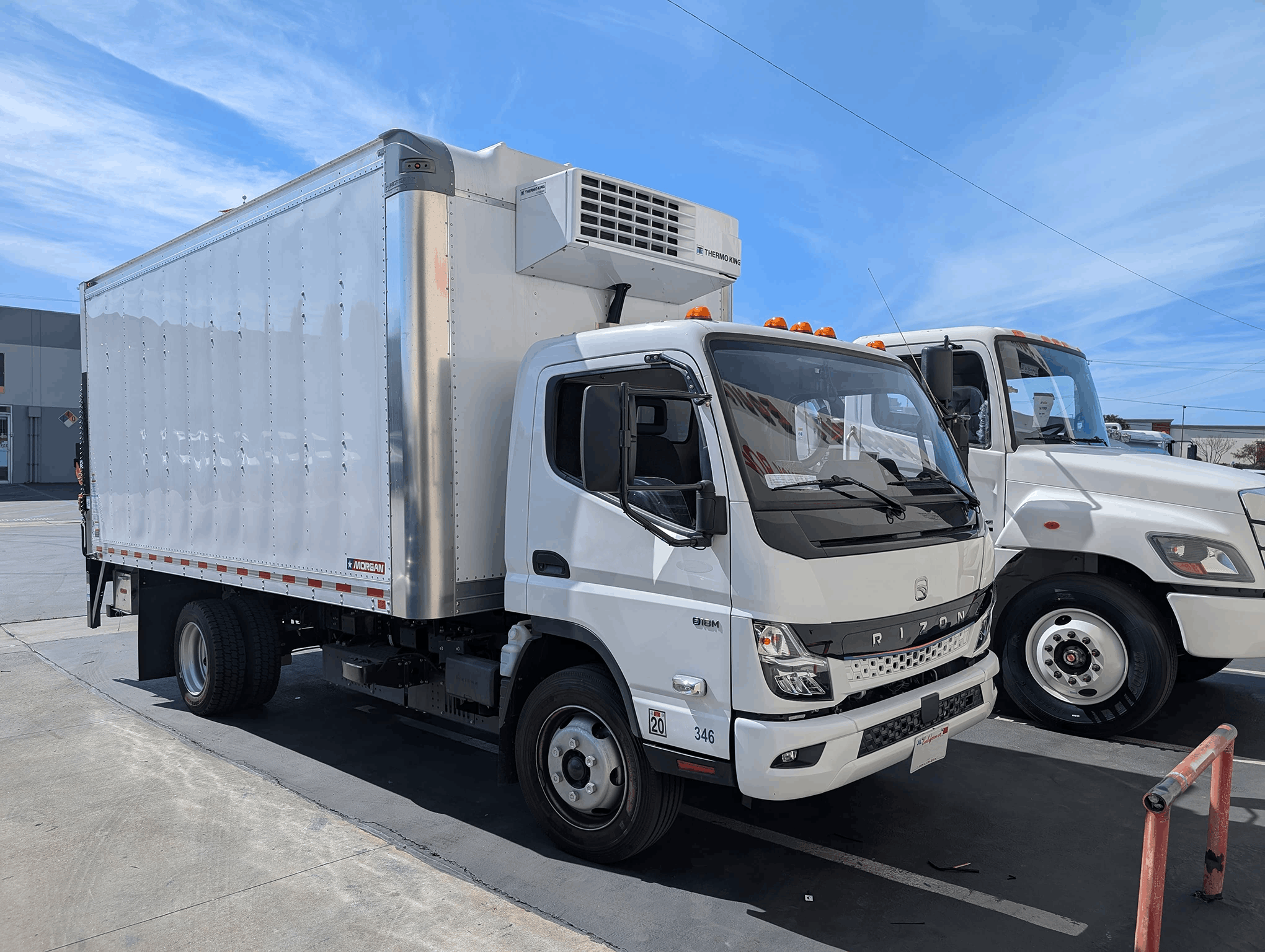
• Refrigerated transport: running refrigeration compressors for temperature-sensitive goods
• Service and utility vehicles: operating lifts, cranes, or onboard tools
• Garbage compaction and refuse collection: supporting quiet operations with hydraulic compactors
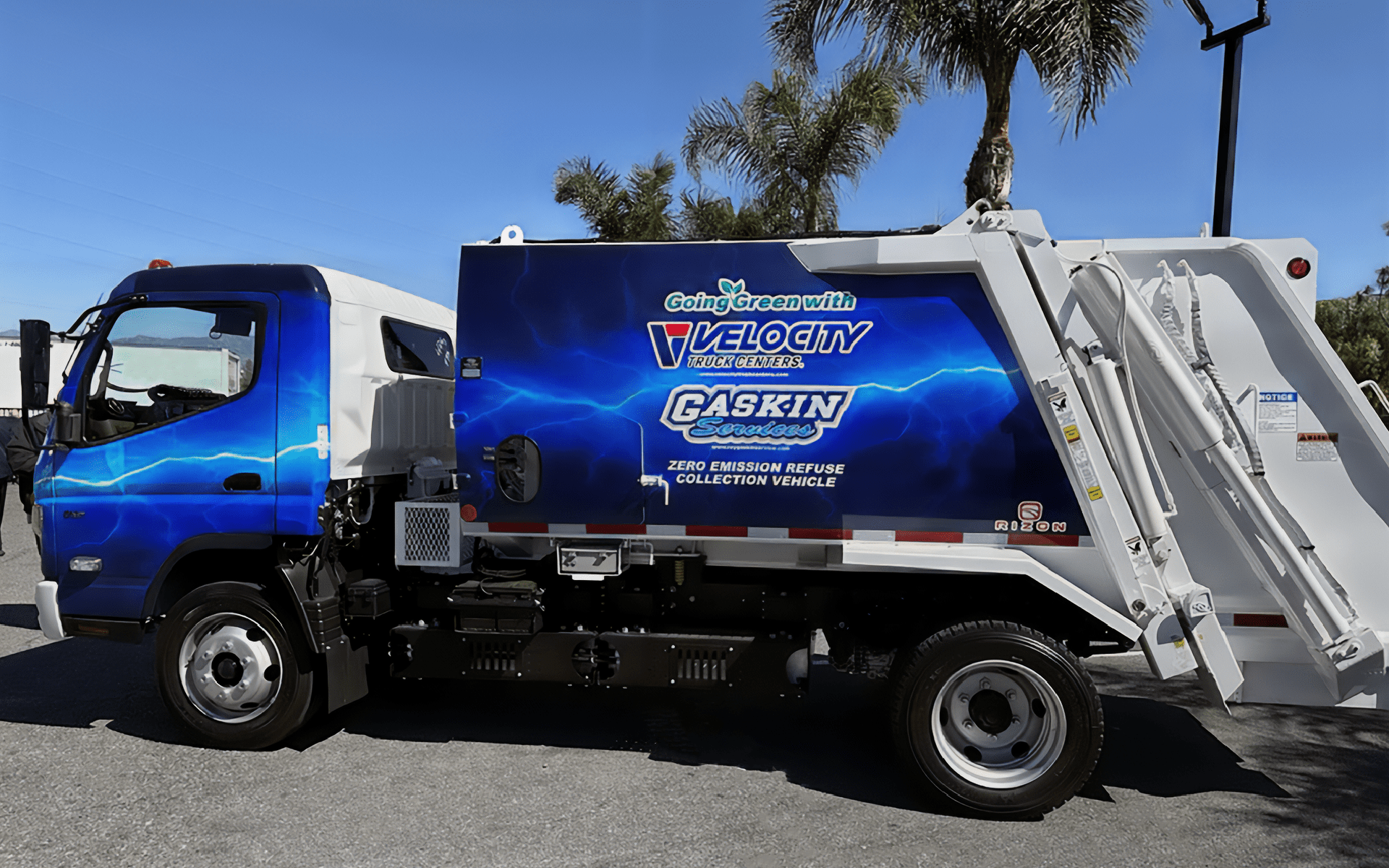
In each case, the ability to operate equipment without engine idling improves efficiency and reduces operational complexity.
Key Benefits of ePTO for Fleet Operations
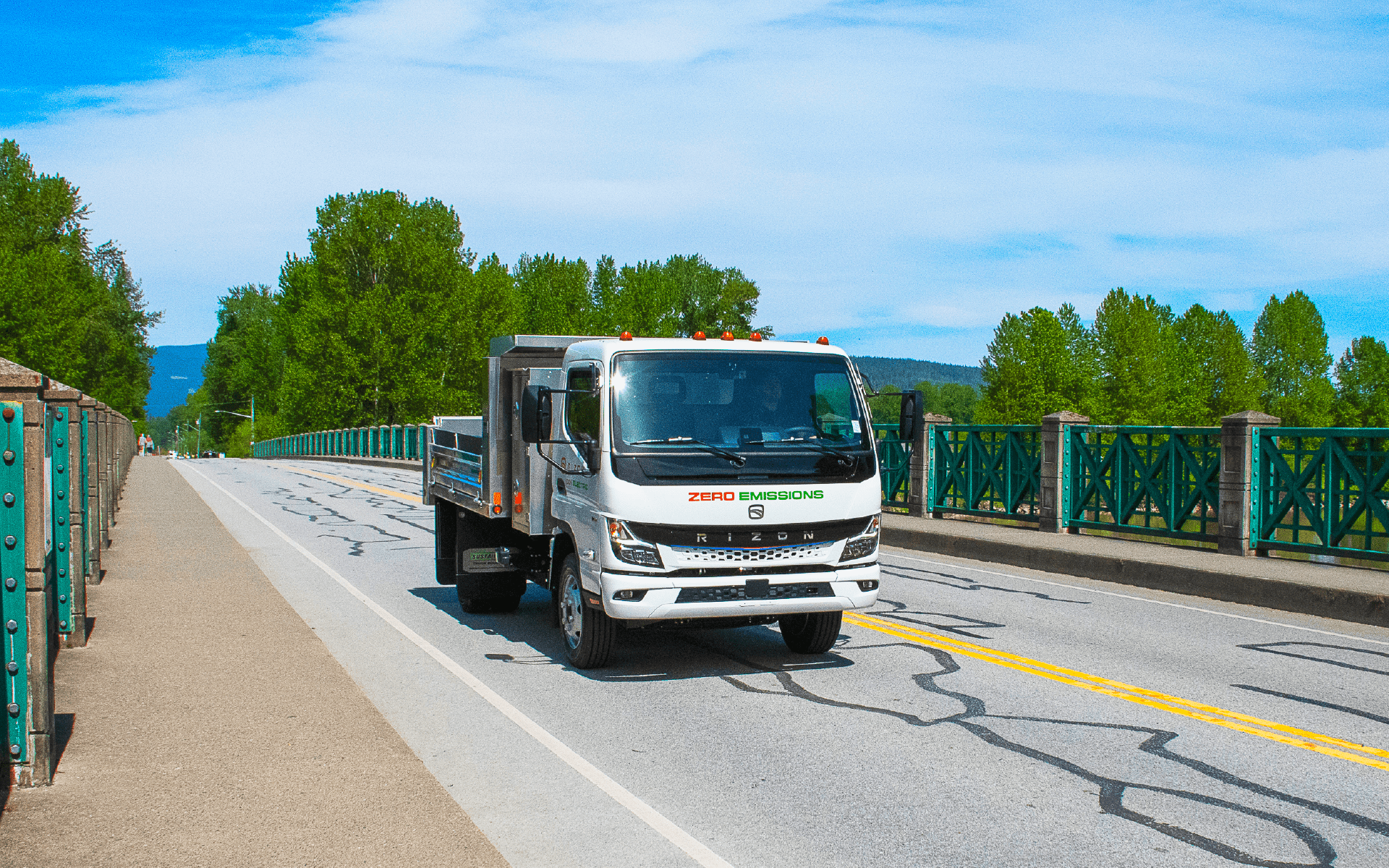
For fleet operators, the transition to electric power takeoff systems introduces several practical advantages.
Reduced idling:
Because auxiliary systems no longer depend on engine operation, vehicles can perform tasks without prolonged idling. This is especially valuable in urban or regulated environments.
Lower fuel consumption:
By eliminating the need for engine-driven PTO operation, fleets reduce overall fuel usage in mixed or legacy fleets and avoid fuel consumption entirely in fully electric vehicles.
Lower emissions:
ePTO supports zero-emission operation during stationary work, aligning with increasingly strict environmental regulations.
Reduced noise:
Electric PTO systems operate significantly more quietly than engine-driven systems, making them well suited for early-morning routes or noise-sensitive areas.
Reduced mechanical wear:
Fewer moving mechanical components and less reliance on engine operation can contribute to lower wear on drivetrain and PTO-related components.
Why ePTO Matters for Electric Trucks
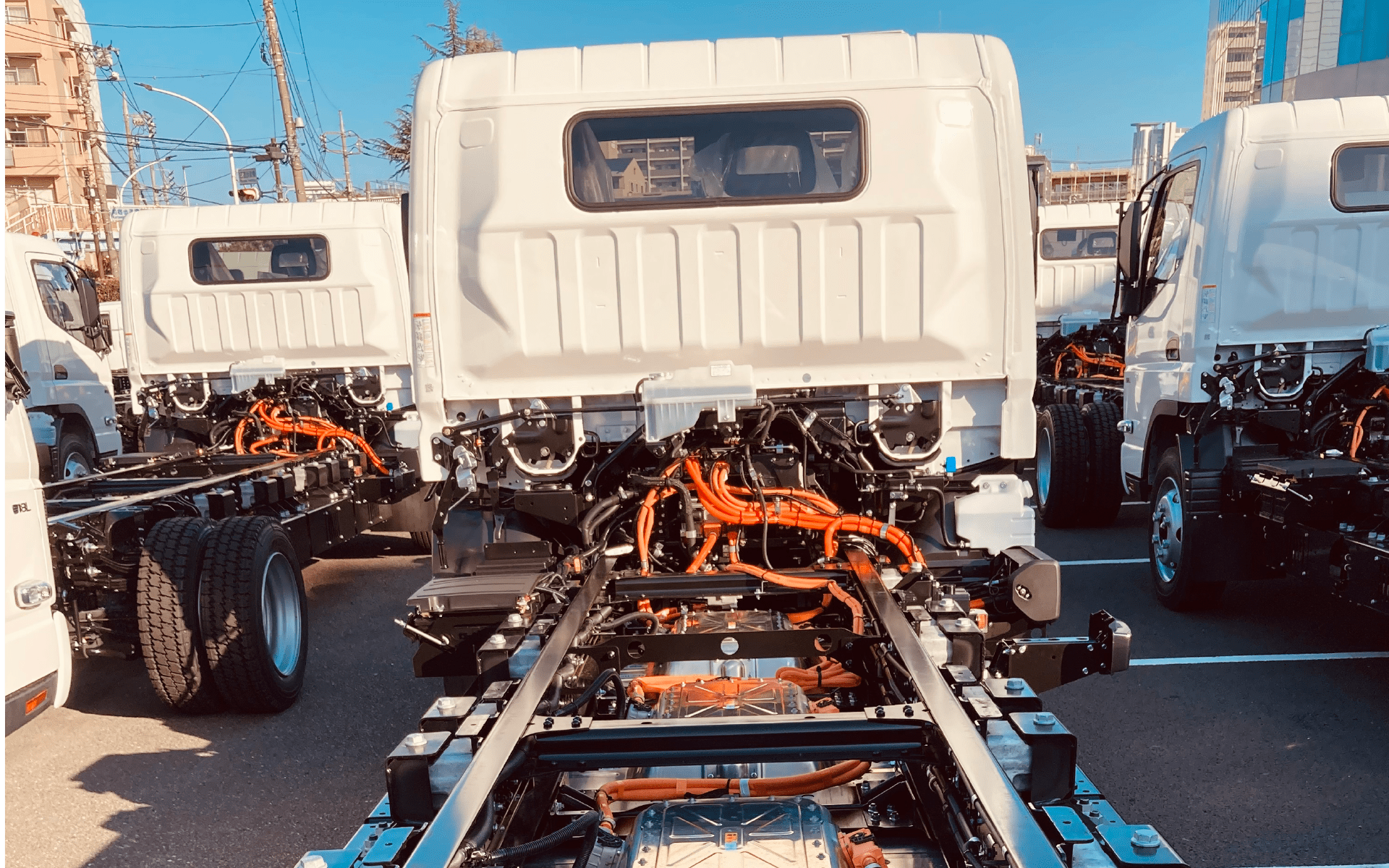
As fleets transition toward electric truck PTO solutions, the ability to power auxiliary systems without compromising vehicle efficiency becomes increasingly important.
Electric trucks are designed around battery efficiency and energy management. Traditional PTO systems are not compatible with this architecture, as they depend on engine-driven mechanics. ePTO bridges that gap by integrating auxiliary functionality directly into the electric vehicle ecosystem.
This enables:
• Better alignment with battery management strategies
• More predictable energy usage across both driving and working cycles
• Simplified system integration for electric truck PTO applications
For many commercial EV applications, ePTO is not just an added feature, it is a necessary component for enabling full operational capability.
RIZON and the Role of ePTO in Electric Work Trucks

As electric trucks become more widely deployed, manufacturers are increasingly designing vehicles with integrated support for systems like ePTO. This ensures that auxiliary functions align with the overall architecture of the vehicle rather than being retrofitted.
RIZON’s Class 4–5 electric trucks are designed for real-world commercial applications where auxiliary equipment is part of daily operations. In these environments, systems like electric power takeoff play a key role in enabling trucks to perform work beyond transportation.
By supporting configurations such as tipper bodies, service equipment, and other hydraulic systems in trucks, platforms like RIZON demonstrate how electric trucks can meet the practical demands of fleet operations without relying on traditional engine-driven solutions.
Real-World ePTO Use Cases
Villamar Construction, based in Victoria, British Columbia, added a RIZON truck upfitted with a dump body to its fleet. The company uses the truck on custom home-building projects, supporting day-to-day construction work around Victoria.
The City of Santa Monica has deployed a RIZON truck upfitted with a garbage collector for quiet urban beautification operations.
At a well-known theme park in California, three RIZON trucks support in-park operations, including a refrigerated unit that delivers quiet, emission-free performance without disturbing visitors.
The Naples Beach Club put three RIZON trucks in operation, equipped with rear loaders for refuse collection for quiet operations on its beachside property.
The Shift Toward Integrated Electric Work Systems
The evolution of ePTO reflects a broader shift in commercial vehicle design. As fleets move toward electrification, auxiliary systems must evolve alongside propulsion systems.
Rather than treating work functions as secondary to driving, modern electric trucks integrate both into a unified energy system. This approach improves efficiency, reduces operational friction, and enables vehicles to perform reliably across a wider range of tasks.