
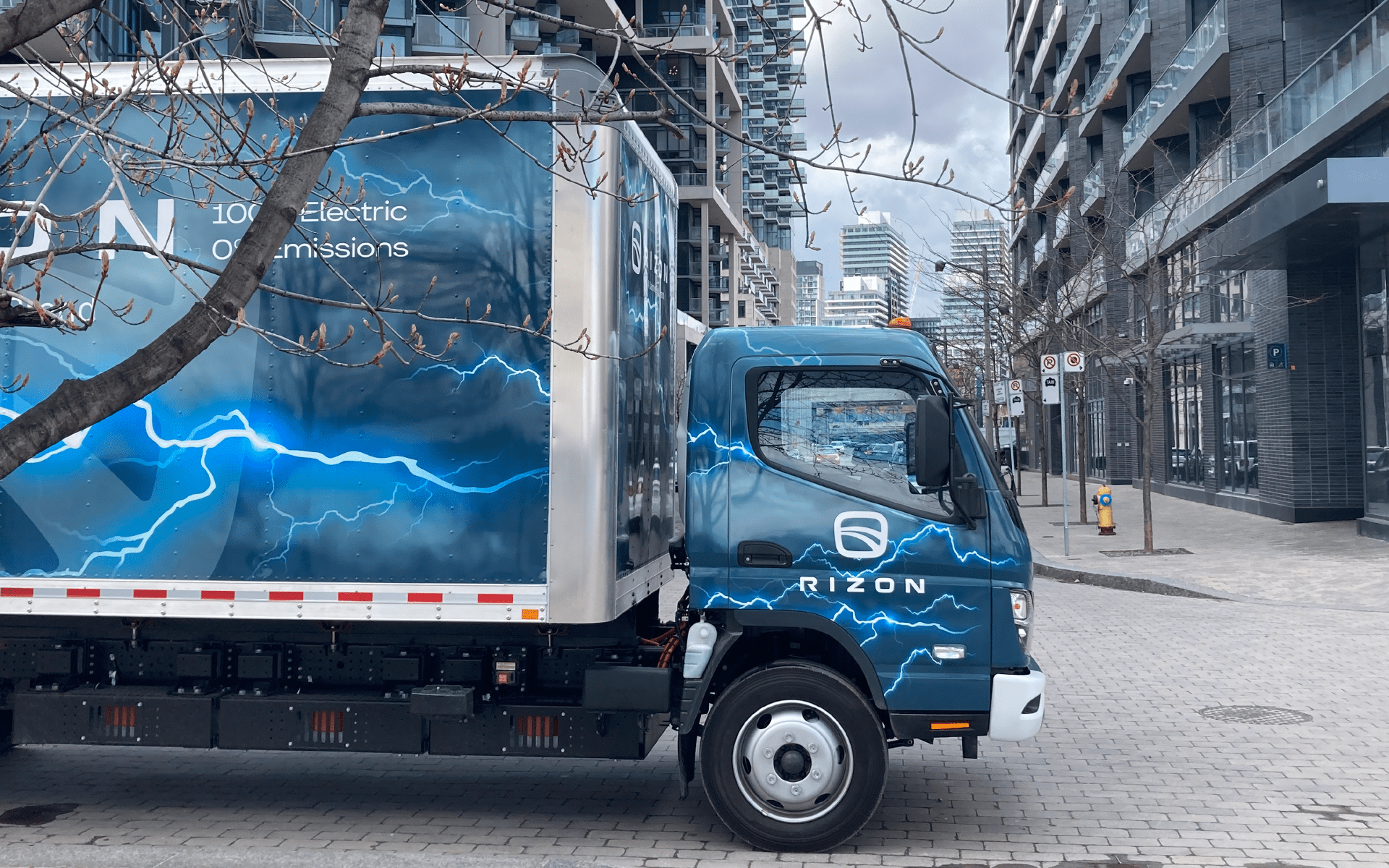
Driving an electric work truck introduces a different operating feel compared to diesel vehicles, particularly in urban and stop-and-go environments. While the job itself doesn’t change, the way the truck responds—and how drivers interact with it—does.
As more commercial EV trucks enter fleet service, driver feedback is beginning to highlight where those differences matter most in daily operations.
Immediate Differences Drivers Notice When Driving An Electric Work Truck
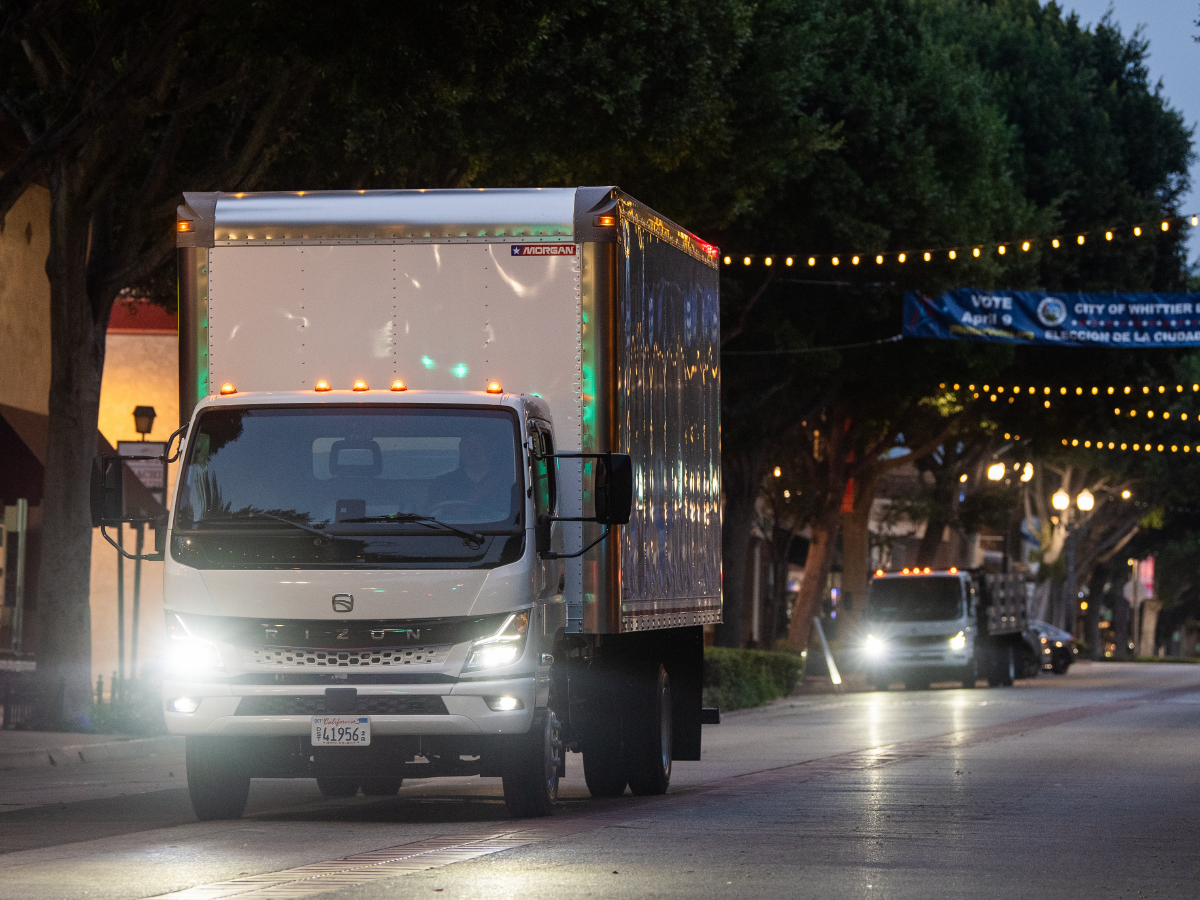
The first thing most drivers notice is the absence of engine noise and vibration.
Without an internal combustion engine, the truck operates quietly at startup and during low-speed movement. This changes the in-cab environment immediately, especially during early morning routes or frequent stops.
Acceleration is also more direct.
Electric motors deliver torque instantly, which makes pulling away from a stop feel smoother and more predictable. Instead of building power through engine speed and gear changes, the response is immediate and linear.
Did You Know?
Electric motors deliver maximum torque from zero RPM. In practical terms, that means an electric work truck can reach full pulling power immediately when moving from a stop—something diesel engines cannot do without building engine speed.
Electric Work Truck vs Diesel: Key Differences
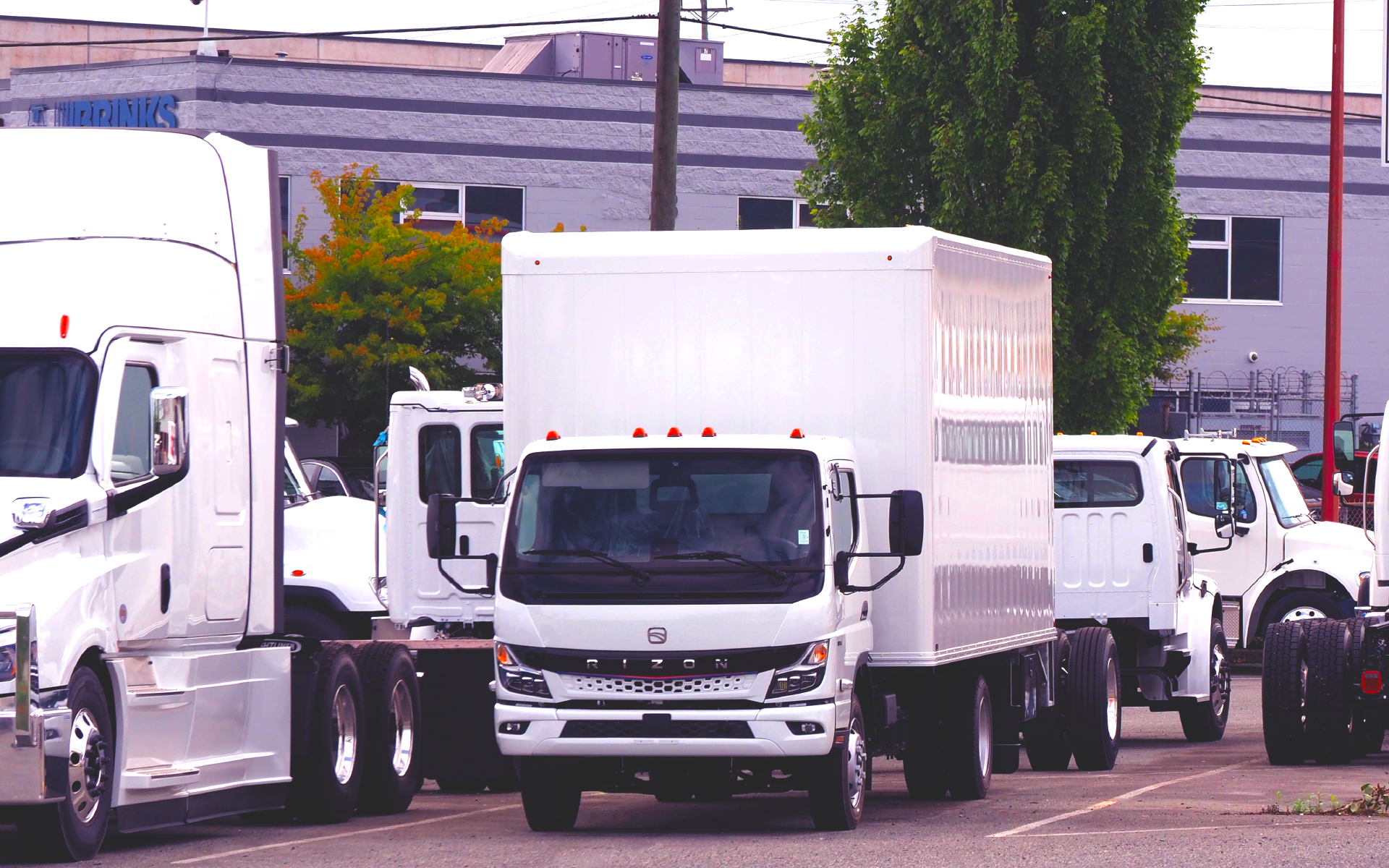
Beyond first impressions, the differences between electric and diesel trucks come down to how power and work functions are delivered.
➤ Power delivery
Electric trucks provide immediate torque with no gear shifting, while diesel engines rely on transmission shifts and engine speed to build power.
➤ Equipment operation
In diesel trucks, auxiliary systems like dumps, refrigeration and compactors are typically tied to engine operation. Electric trucks can run these systems independently, depending on the configuration.
➤ Cabin environment
Diesel trucks generate continuous noise and vibration during operation, while electric trucks maintain a more stable and quieter cabin.
These differences don’t change the tasks being performed, but they do change how consistently the truck behaves across those tasks.
How Driving an Electric Work Truck Feels Over Time
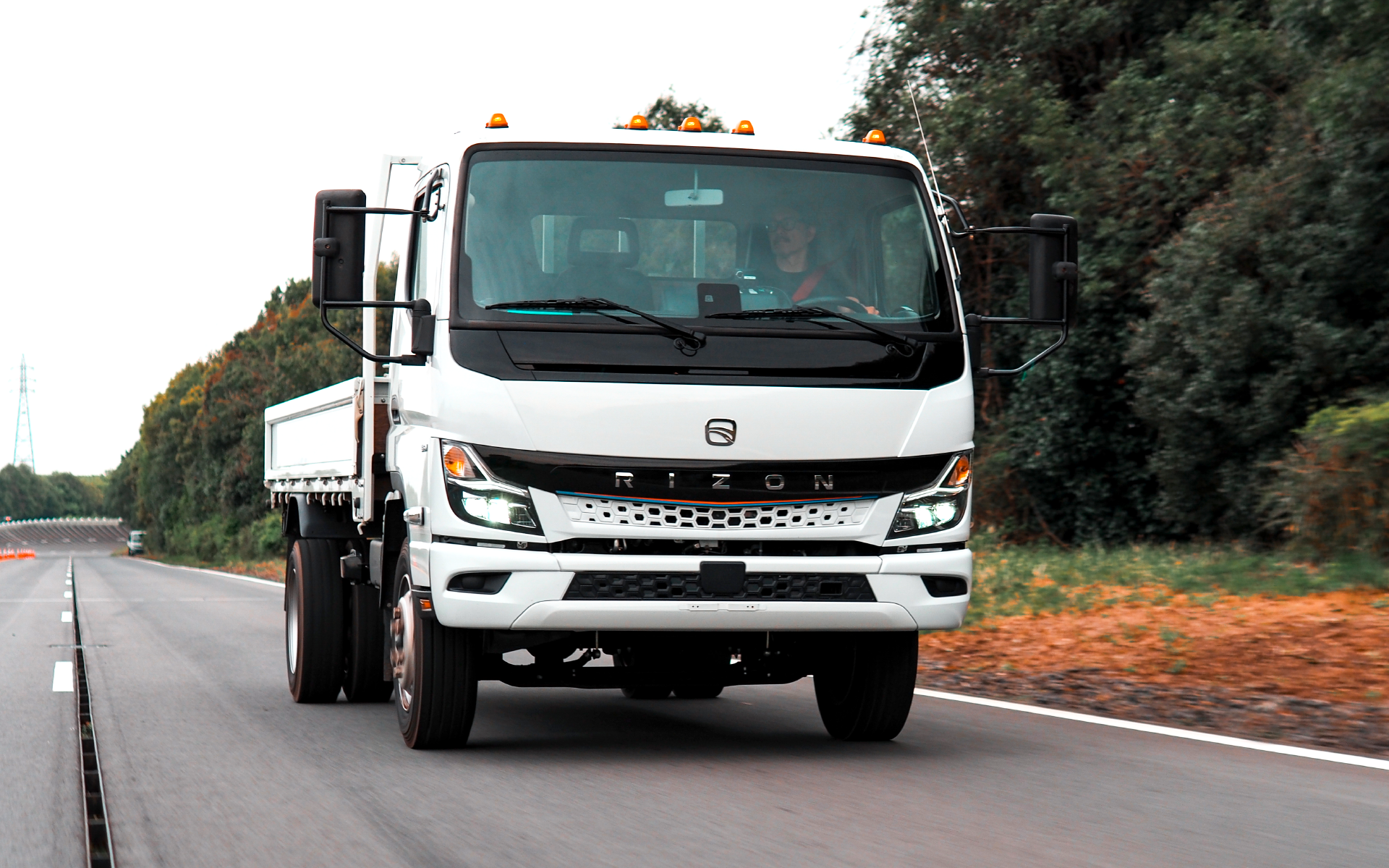
Over a full shift, the impact of these differences becomes more practical.
Reduced vibration and smoother operation can make long routes feel less physically demanding. Instead of constant mechanical feedback from the engine and drivetrain, the truck maintains a steady driving feel throughout the day.
In urban routes with frequent stops, the lack of shifting and consistent low-speed control simplifies driving. The truck responds the same way each time, which can make stop-and-go operation more predictable.
Drivers also adapt to regenerative braking. Lifting off the accelerator slows the vehicle while recovering energy, reducing reliance on the brake pedal. While this takes some adjustment initially, industry studies and OEM guidance show it quickly becomes part of normal driving behavior.
Did You Know?
Regenerative braking not only slows the truck—it also converts kinetic energy back into stored energy in the battery. In stop-and-go routes, this can meaningfully reduce overall energy consumption compared to vehicles that rely entirely on friction braking. This has the added benefit of extending the life of the disc brakes.
Pros and Cons from a Driver’s Perspective of Electric Work Trucks
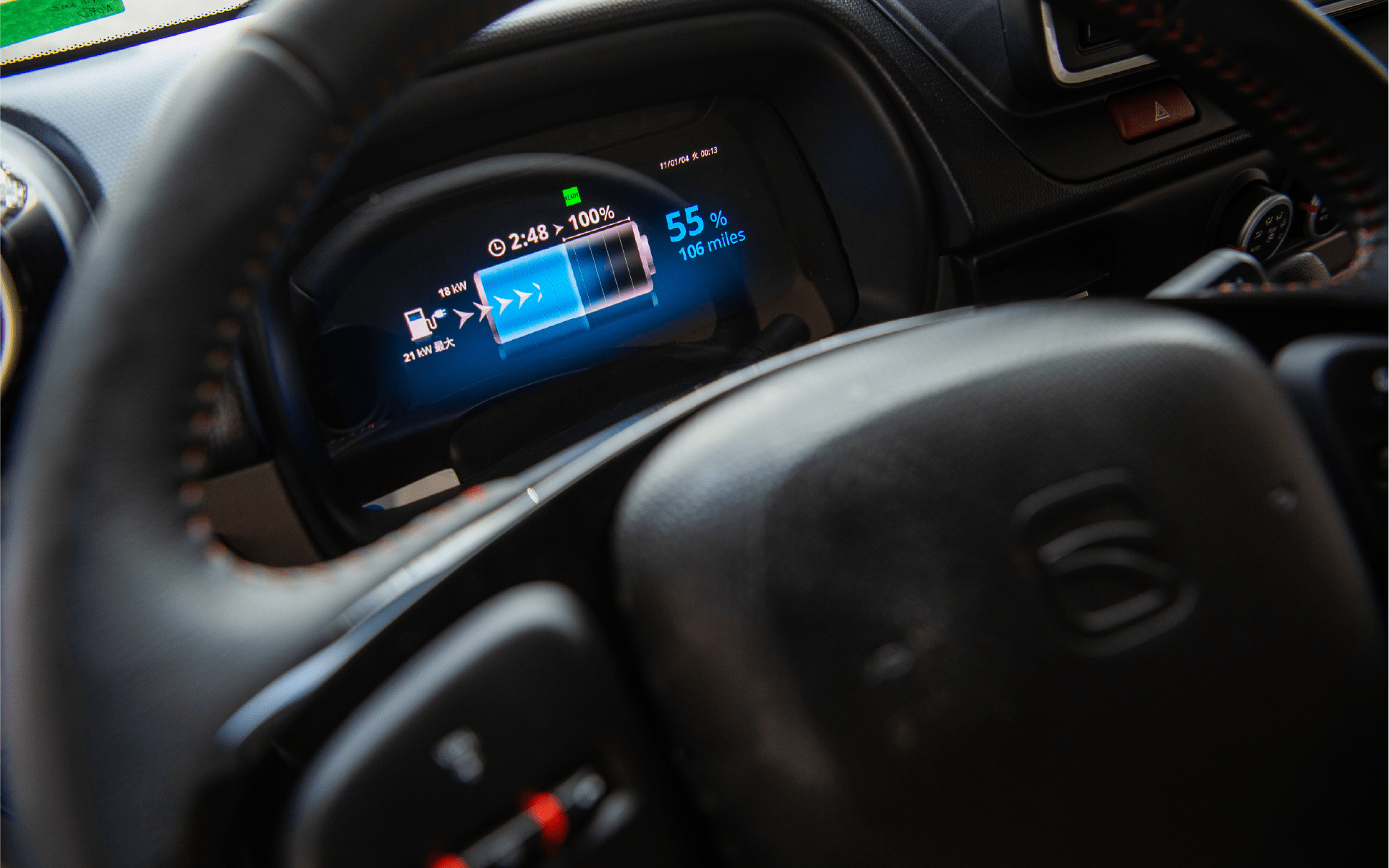
From available fleet data and operator feedback, the advantages are mostly tied to consistency and comfort.
Advantages
• Quieter operation reduces in-cab noise levels
• Smoother acceleration improves low-speed control
• Reduced vibration reduces driver fatigue
• Consistent power delivery simplifies stop-and-go driving
Considerations
• Regenerative braking requires a short adjustment period
• Drivers need to monitor energy use instead of fuel levels
• Reduced engine feedback can feel unfamiliar at first
These are not limitations as much as operational differences that drivers adapt to over time.
Operational Considerations Drivers Should Know

Electric trucks introduce a slightly different approach to daily operation.
Regenerative braking changes how deceleration is managed, often reducing brake use and wear. Energy usage becomes part of the driving routine, particularly on longer or variable routes, although predictable duty cycles make this easier to manage.
Auxiliary systems may also operate differently. In trucks equipped with electric PTO systems, functions like lifts or compressors can run without the vehicle being in motion, which changes how work is performed at a stop.
Did You Know?
In traditional diesel trucks, auxiliary systems often require the engine to idle to stay powered. Electric work trucks can operate these systems using stored battery energy, allowing work to continue without continuous engine operation.
RIZON and Real-World Driver Experience
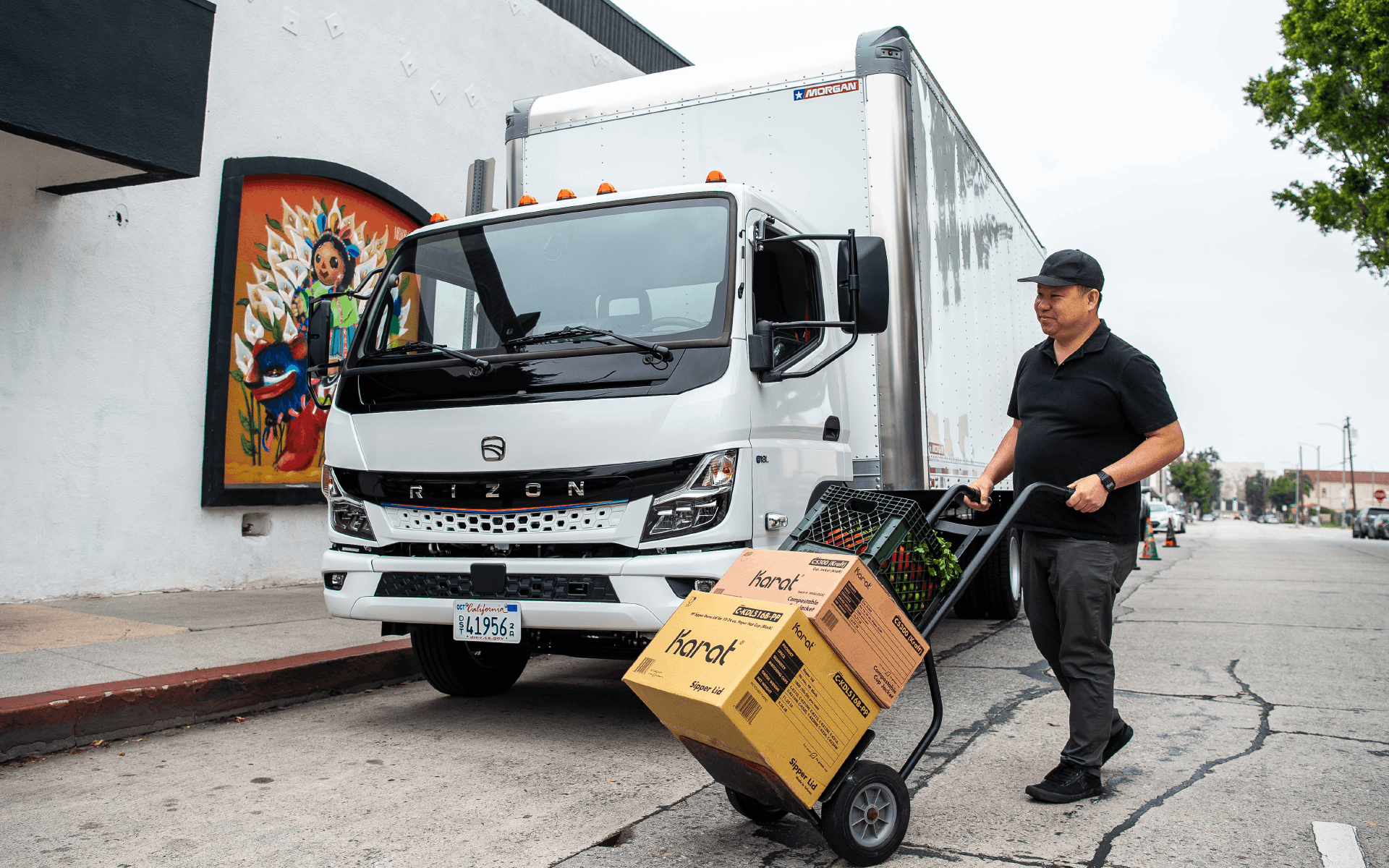
Electric work trucks are designed around these real-world operating conditions.
RIZON’s Class 4–5 trucks are already in use across commercial and municipal fleets, where consistent low-speed operation and auxiliary system use are part of daily work. Their design supports predictable urban driving and integration with common upfits.
For drivers, this results in a truck that behaves consistently whether it’s moving between stops or performing work on site. The goal isn’t to change how the job is done, but to support it with a platform that responds more predictably throughout the day.
What Drivers Notice After the Transition

Once drivers become familiar with an electric work truck, the differences tend to fade into the background of normal operation.
The most lasting changes are the quieter environment, smoother response, and simplified control during low-speed driving. Initial adjustments—such as regenerative braking and energy awareness—typically become routine.