
Regenerative braking turns one of the most energy-intensive parts of driving, slowing a vehicle down, into an opportunity to recover some of that energy. Instead of allowing all of a vehicle’s kinetic energy to become heat in the brakes, an electric motor can act as a generator during deceleration. It converts some of that motion into electricity and sends it back to the battery.
For an electric vehicle, that simple change has implications beyond energy efficiency. It can alter how the vehicle feels to drive and reduce reliance on friction brakes. These benefits are particularly relevant to commercial trucks that make frequent stops throughout the day.
What Is a Regenerative Braking System?
A regenerative braking system uses an electric motor to slow a vehicle while recovering some of its kinetic energy as electrical energy. When the motor operates as a generator, the vehicle’s motion drives the motor. The motor then produces electricity that can be stored in the high-voltage battery.
A simple analogy is a bicycle generator. As the wheel turns, it can turn the generator and produce electricity. However, the generator also creates resistance. The more work it does, the more resistance it creates.
Regenerative braking works on a similar principle. Instead of using the electric motor only to propel the vehicle, the drivetrain can use the vehicle’s motion to turn the motor in the opposite direction. The motor generates electricity while its resistance helps slow the vehicle.
Regeneration does not create free energy. Some energy is lost during the conversion process, and the system cannot recover all the energy used to accelerate the vehicle. Its value comes from recovering energy that traditional brakes would otherwise dissipate as heat.
How Does Regenerative Braking Work?
To understand the process, start with how an electric drivetrain moves a vehicle.
The battery sends electrical energy to the motor. The motor uses that energy to turn the wheels. The wheels then move the vehicle.
When the driver slows down, the process can work in reverse.
The moving wheels can turn the motor. The motor then works as a generator and produces electricity. Power electronics send that electricity back toward the battery for storage.
At the same time, the motor creates resistance against the drivetrain. That resistance helps slow the vehicle.
In simple terms, the same motor that moves the vehicle can also help slow it down and recover energy.
The amount of regenerated energy varies. Vehicle speed, battery charge, road conditions, braking force, and other factors can affect how much energy the system can recover.
What Happens When You Press the Brake Pedal?
This is one of the biggest differences between regenerative braking and traditional brakes.
In most EVs, you don’t operate a separate lever every time you want regenerative braking. The system works through the vehicle’s normal controls.
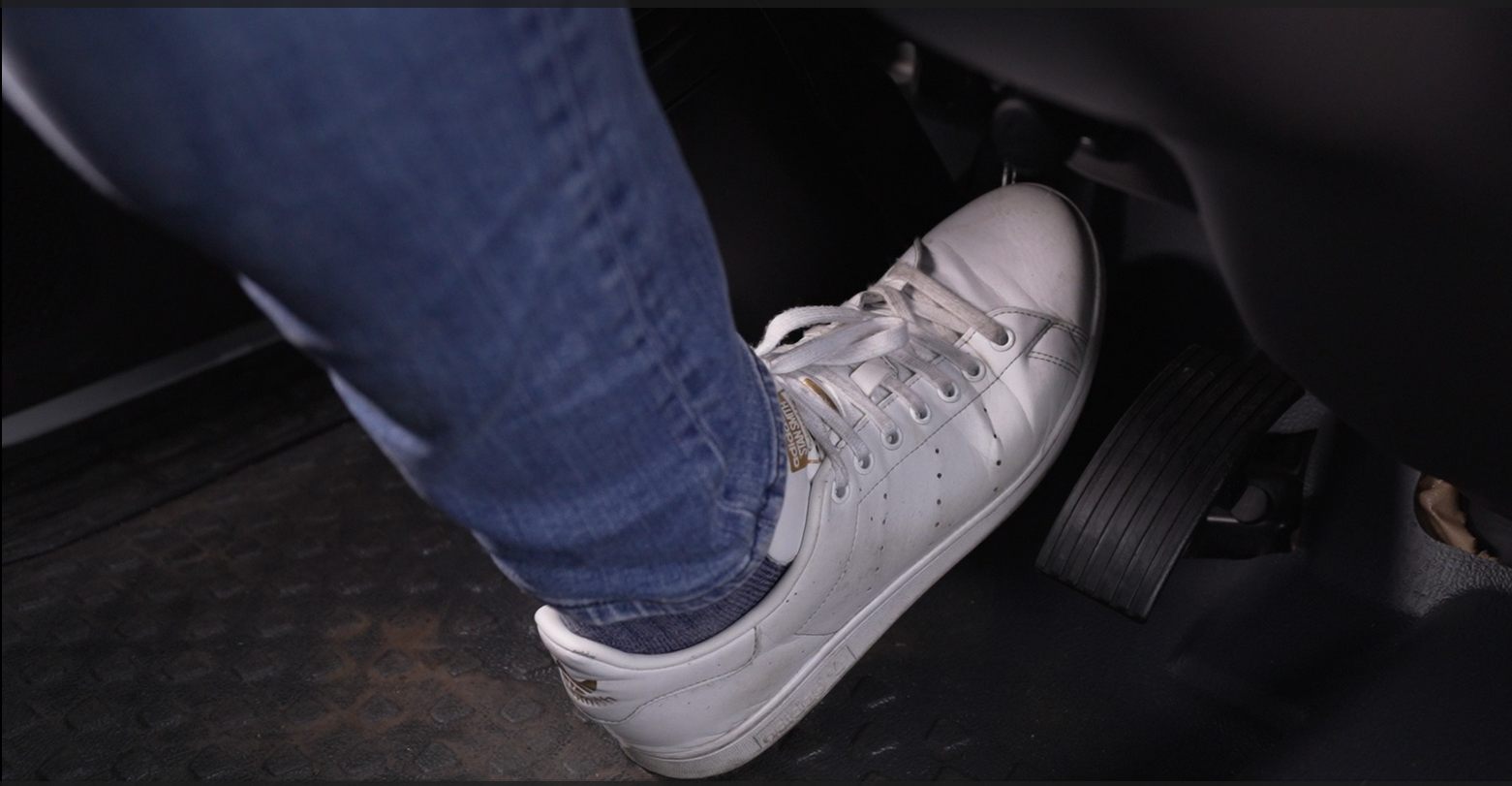
Regeneration can begin when the driver lifts off the accelerator. It can also work when the driver presses the brake pedal.
Levels of Regen Braking
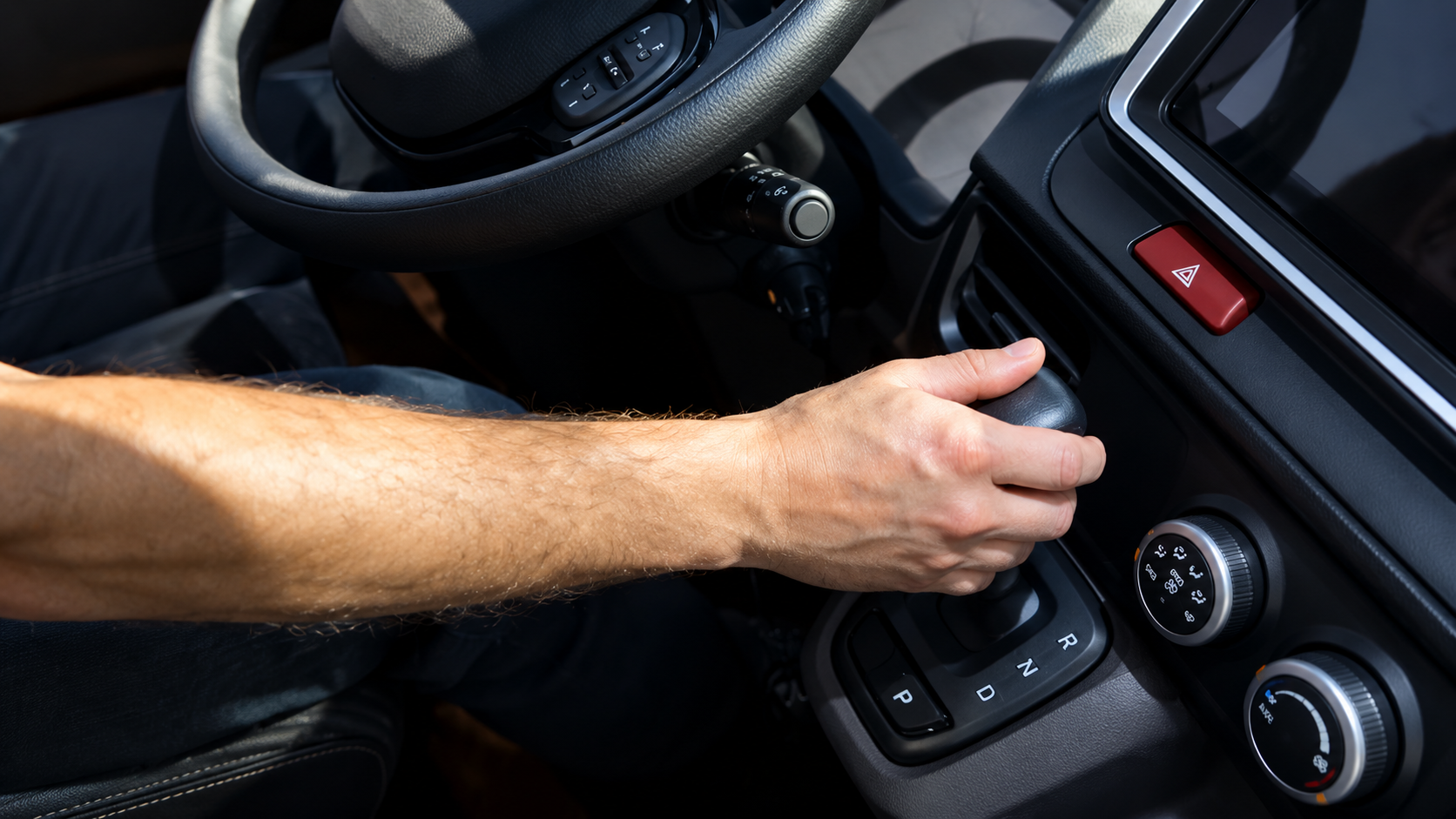
Some EVs let drivers choose different levels of regeneration. RIZON trucks, for example, offer selectable regenerative braking levels through the gear selector.
Once the driver selects a level, the system handles the process automatically. The driver does not need to keep operating a switch.
The effect can be noticeable. A higher regeneration setting can produce more slowing when the driver releases the accelerator. This can reduce the need to press the brake pedal during some driving situations.
Blended Braking
Regenerative braking and traditional brakes can also work together.
If the vehicle needs more stopping force than the electric motor can provide, the friction brakes add braking force. The traditional brakes remain an important part of the vehicle’s safety system.
This combination is often called blended braking.
Regenerative Braking vs. Traditional Brakes
Traditional brakes slow a vehicle through friction.
When brake pads press against a rotating disc, they convert the vehicle’s motion into heat. The heat then escapes into the surrounding air.
Regenerative braking takes a different approach. It uses the electric motor to create resistance while converting some of the vehicle’s motion into electrical energy.
The two systems are not competing technologies.
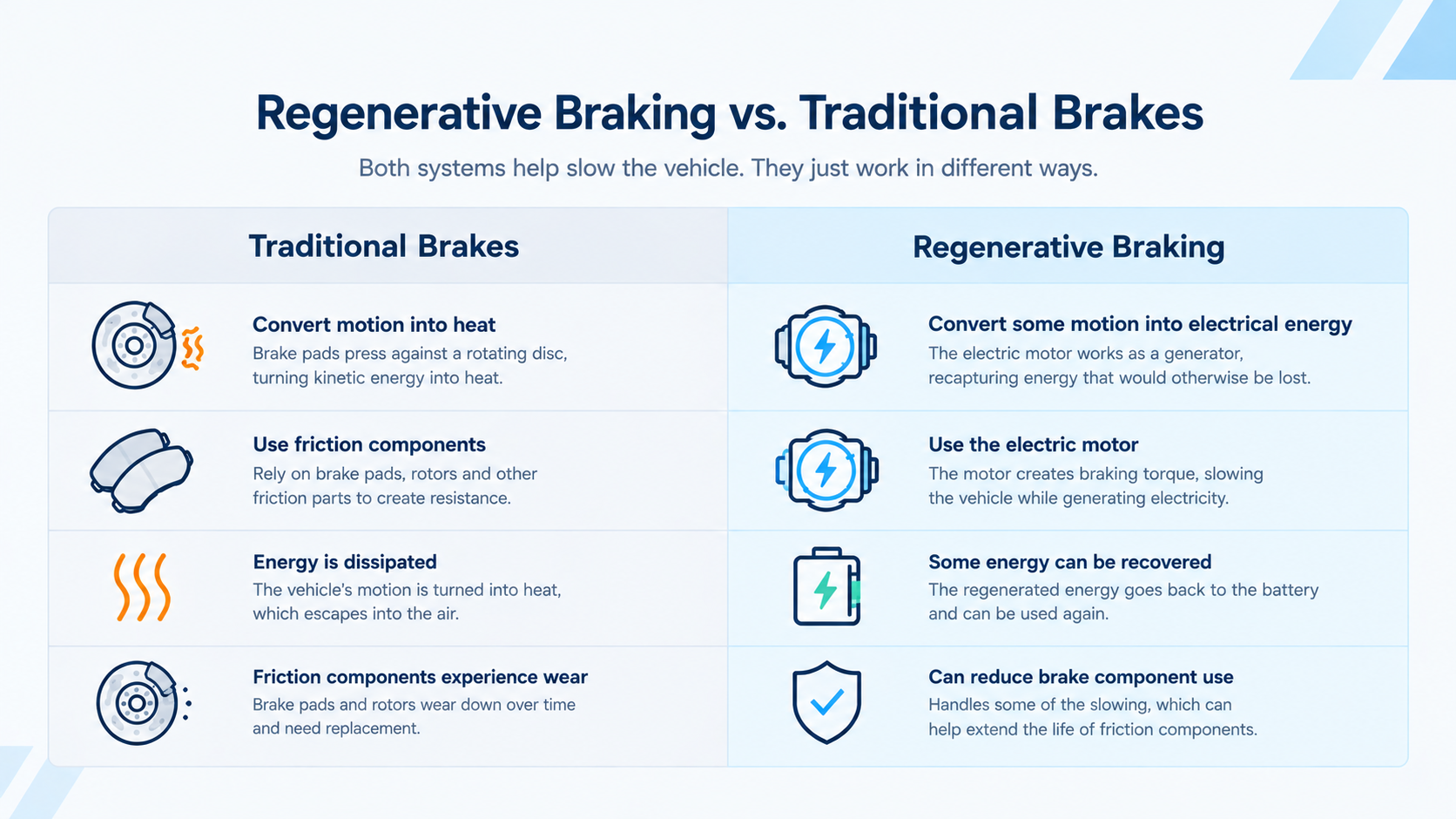
Hybrid and electric vehicles can use both. Regenerative braking handles some of the slowing, while traditional brakes provide additional stopping power when needed.
Why Regenerative Braking Can Reduce Brake Wear
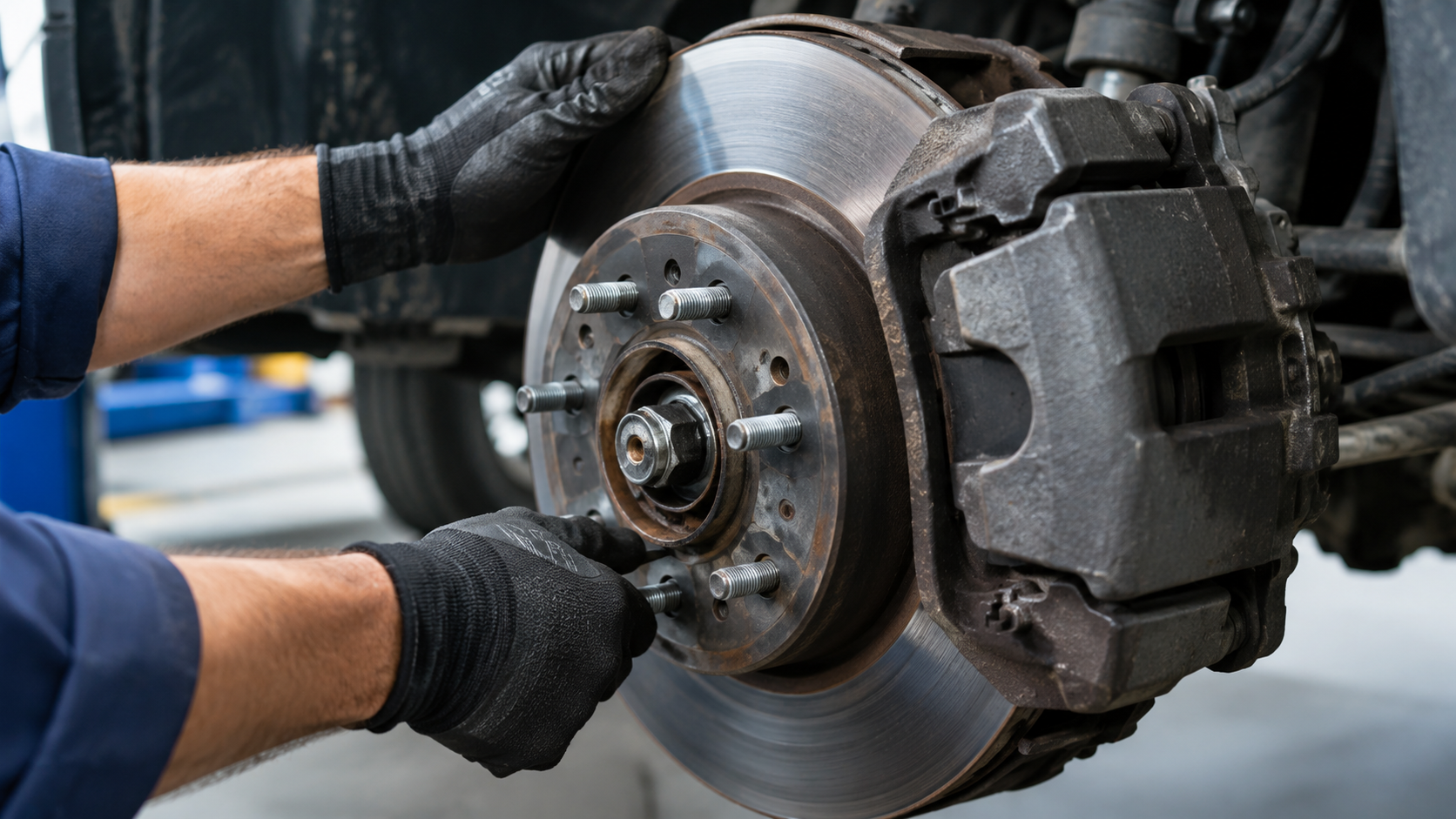
One benefit of regeneration has little to do with the battery.
When the electric motor handles some of the vehicle’s slowing, the friction brakes do less work. That can reduce wear on brake pads and discs.
Less brake use can also affect maintenance costs over time. However, regenerative braking does not eliminate brake maintenance. Brakes still need regular inspection and replacement when required.
The driver may notice the difference, too.
Depending on the vehicle and regeneration setting, releasing the accelerator can produce noticeable slowing. The driver can therefore use the accelerator pedal for more of the vehicle’s speed control.
Why Stop-and-Go Driving Makes Regeneration Useful
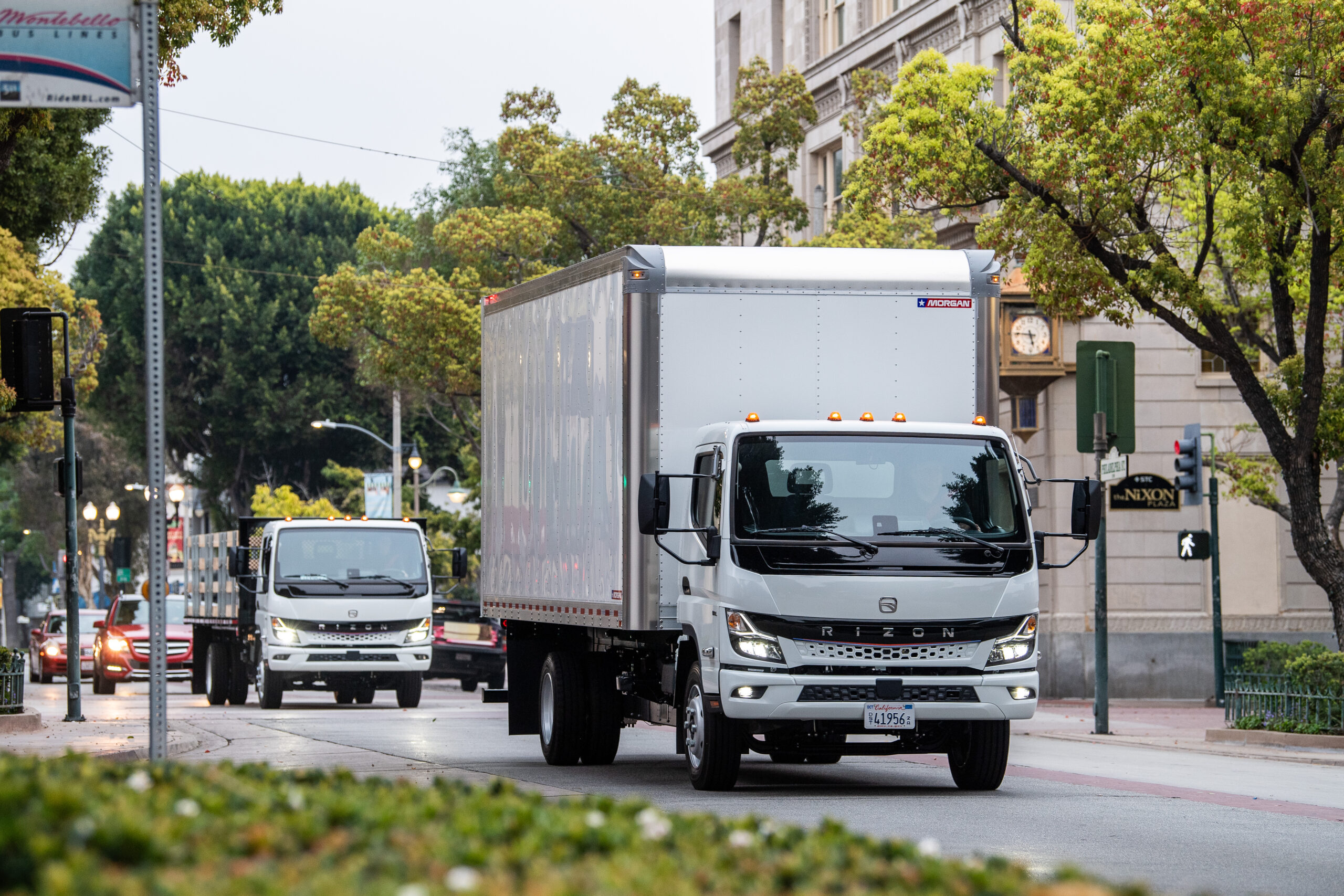
Frequent stops create more opportunities for regeneration.
City streets, delivery routes, and other commercial operations often involve repeated acceleration and deceleration. Every time the vehicle slows, the electric drivetrain has another chance to recover some energy.
That makes regenerative braking particularly interesting for commercial vehicles.
Consider a delivery truck making repeated stops throughout an urban route. The truck accelerates away from one stop, travels to the next location, and then slows again.
With an electric drivetrain, some of the energy used to get the truck moving can be recovered during those deceleration events.
The U.S. Department of Energy notes that city driving can maximize the benefits of regenerative braking because it involves more frequent stops.
Regenerative braking does not create new energy. Instead, it helps recapture energy that would otherwise be lost through conventional braking.
Regenerative Braking in Commercial Trucks
Commercial trucks add another important factor: weight.
A loaded truck has much more mass than a typical passenger vehicle. That means it has more kinetic energy when moving.
Bringing that mass to a stop requires significant braking force.
Traditional heavy trucks rely primarily on friction brakes, although some vehicles also use systems such as retarders to help control speed.
Electric trucks have another tool. Their electric motors can provide braking force while recovering some of the vehicle’s kinetic energy.
That combination can be useful for trucks that make frequent stops.
The actual amount of energy recovered depends on the truck, its load, route, speed, road conditions, and braking strategy.