
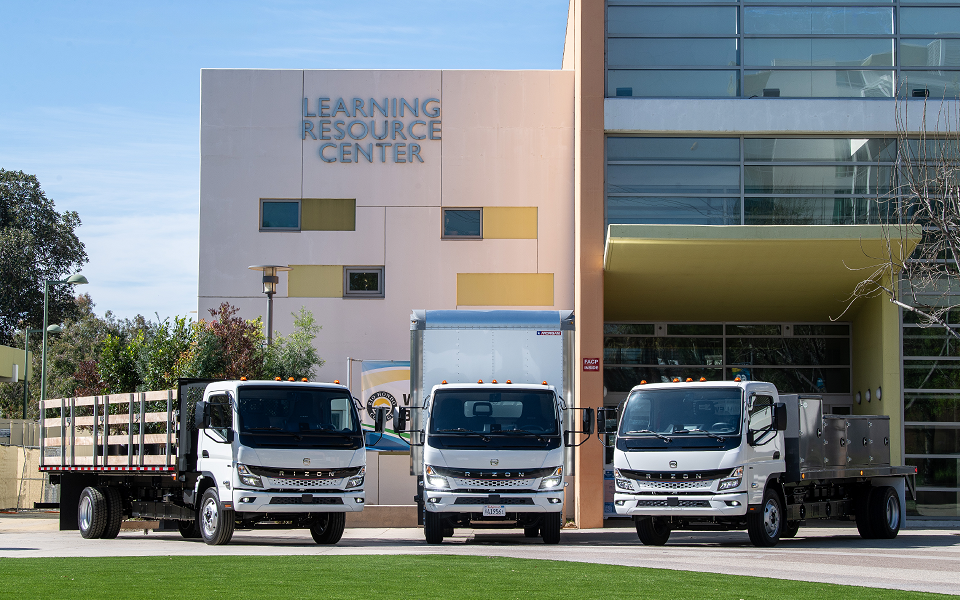
An EV fleet refers to a group of electric vehicles operated by a business, municipality, or organization to handle daily transportation, service, or delivery needs.
Here’s everything you need to know about the benefits of integrating them into existing fleets, including real-world case studies.
Why EV Fleets are Important
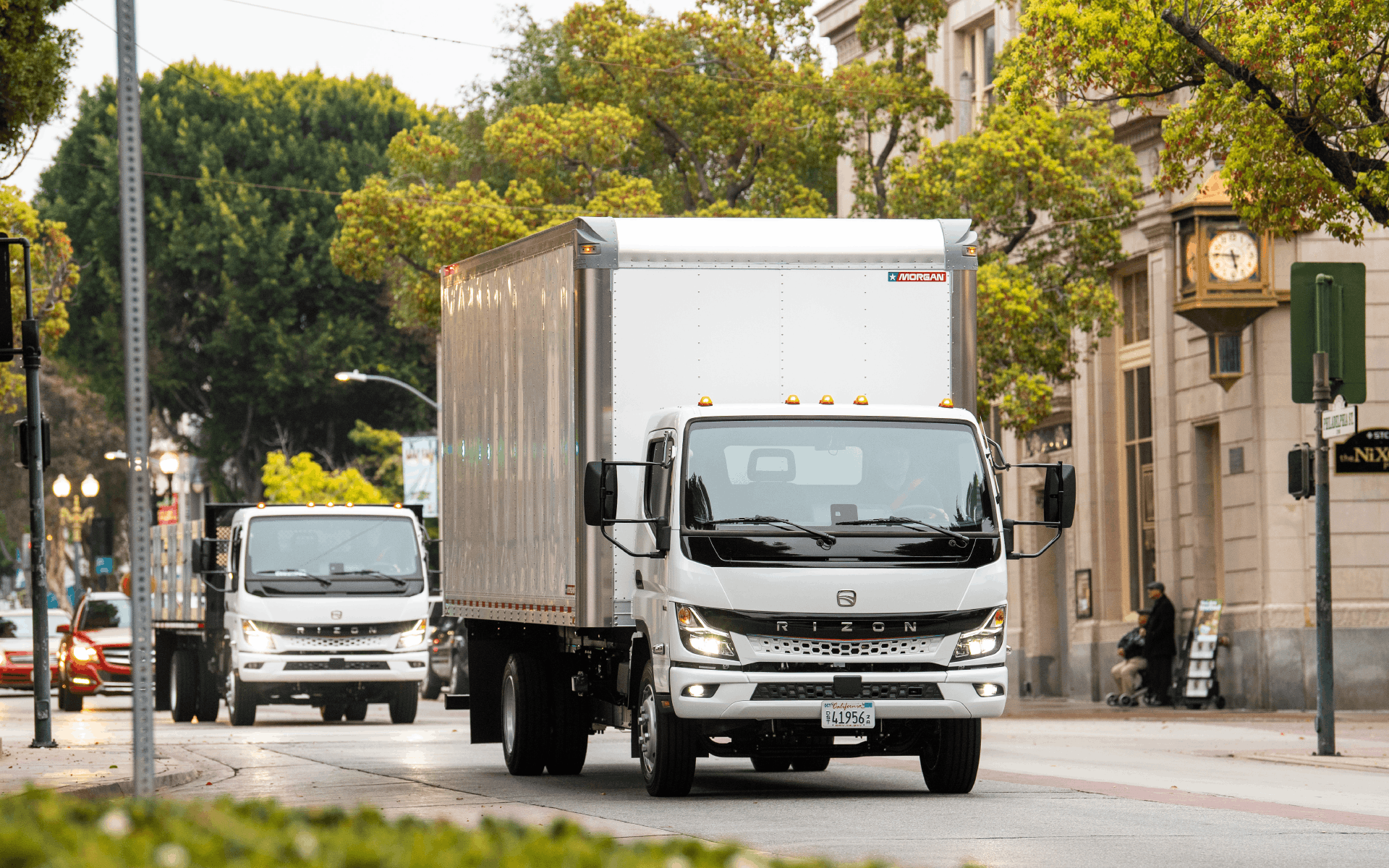
As electrification accelerates across North America, more fleet operators are transitioning from diesel to battery-electric trucks to improve efficiency, reduce emissions, and prepare for changing regulations. For fleet managers, this shift is typically evaluated through route analysis, duty cycles, and total cost of ownership modeling rather than broad sustainability targets alone.
For many organizations, the shift to electric vehicles isn’t just about sustainability. It’s about building a fleet that is easier to manage, more predictable to operate, and aligned with long-term operational goals. From municipalities to last-mile delivery providers, electric trucks are becoming a practical part of everyday fleet strategy. In practice, operators are looking closely at uptime, charging windows, and how electric trucks integrate into existing dispatch and maintenance routines.
What Types of Vehicles are in an EV Fleet?
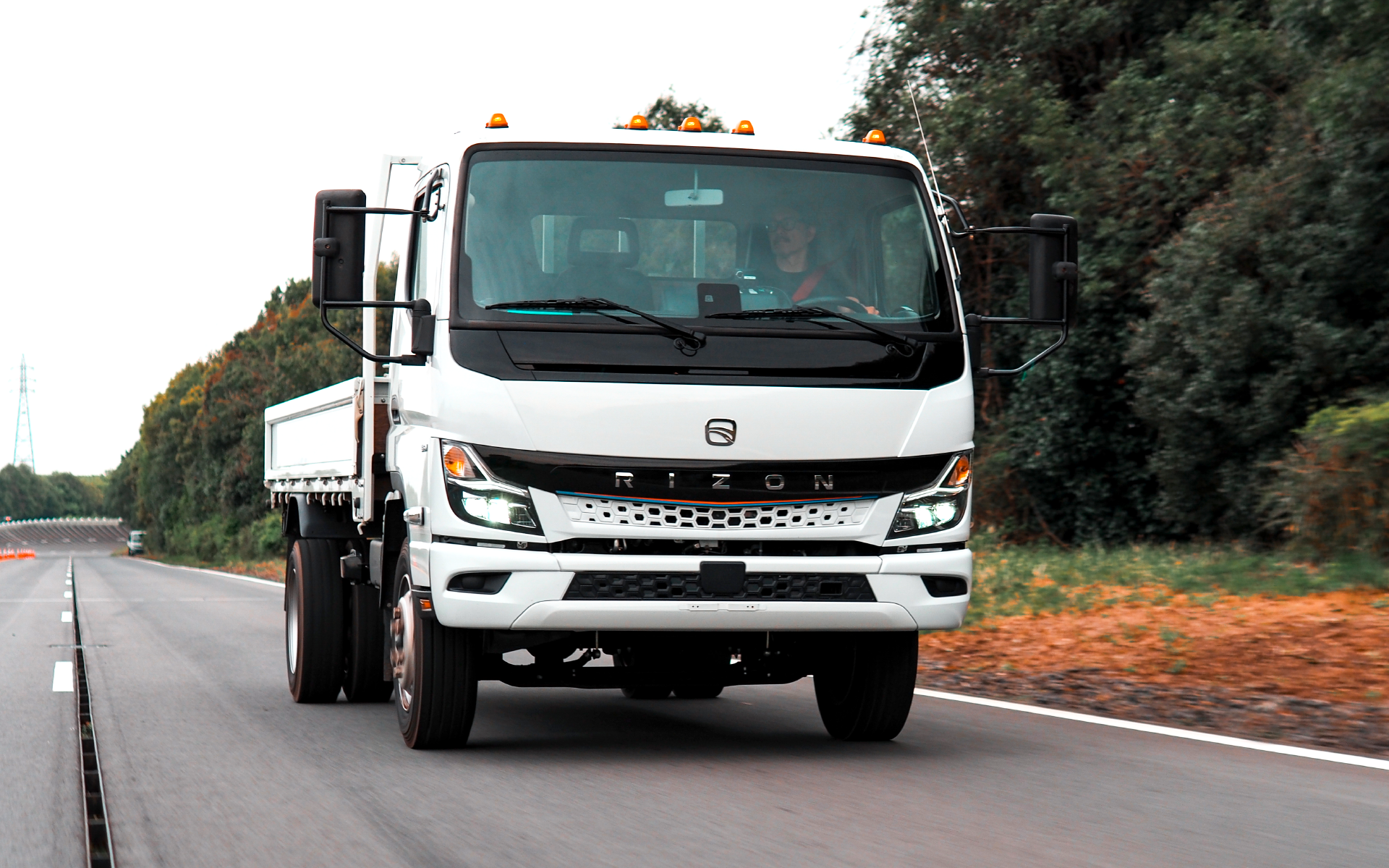
An EV fleet is any group of vehicles powered primarily by electricity rather than internal combustion engines. These fleets can include light-duty vans, medium-duty trucks, and specialized service vehicles used across commercial and public-sector operations, including passenger vehicles.
Unlike traditional fleets, electric fleets rely on charging infrastructure, battery monitoring, and route planning that accounts for range and energy usage. Fleet teams often pair these tools with telematics and depot charging schedules to maintain predictable utilization.
While these factors introduce new considerations, they also create opportunities for greater operational visibility and lower long-term operating costs. Many organizations are finding that electric trucks work especially well in urban and regional routes where vehicles return to base regularly and operate on predictable schedules.
Who Uses EV Fleets Today
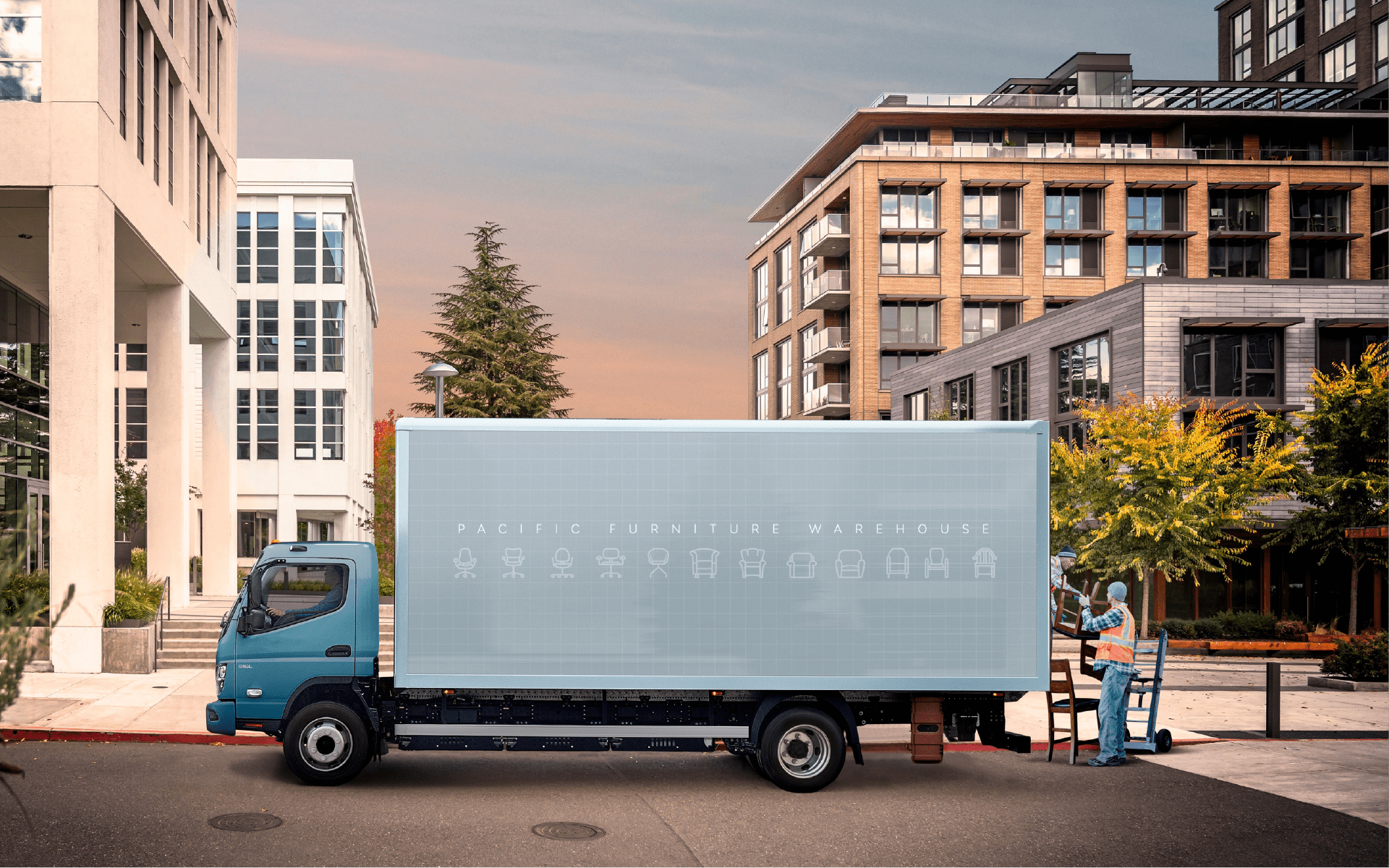
Electric trucks are already being deployed across a wide range of industries. Here is a quick look at electric trucks already operating in real-world fleet environments, particularly where routes are predictable and vehicles return to a depot daily.
Real-World EV Fleet Examples
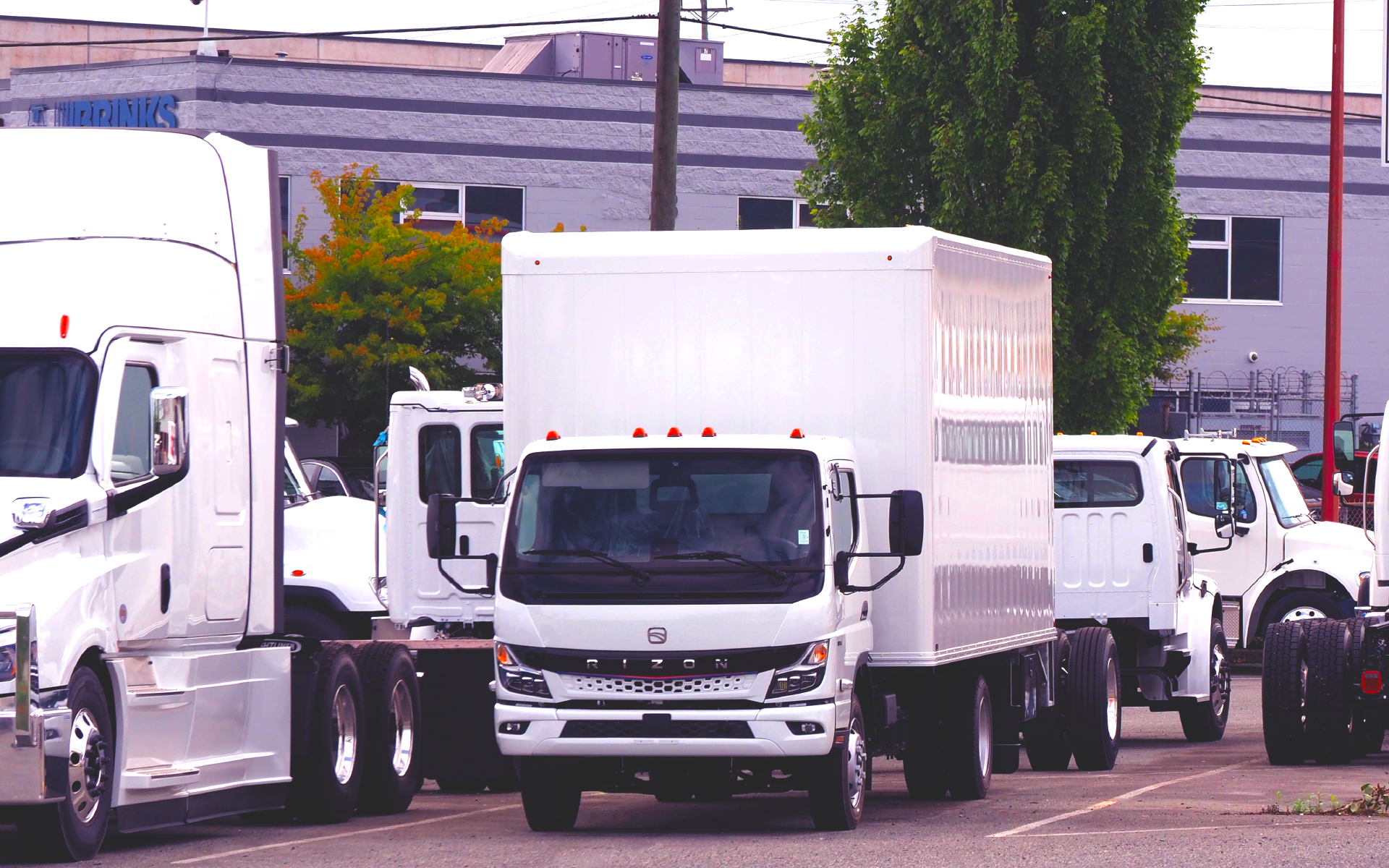
Municipalities
In municipal operations, electric trucks are being used for public works and service deliveries that require consistent local travel. These fleets often have centralized facilities where overnight charging is feasible, making electrification easier to implement. Municipal adoption has been driven by emissions targets as well as the need for quieter vehicles in residential areas.
Case Studies
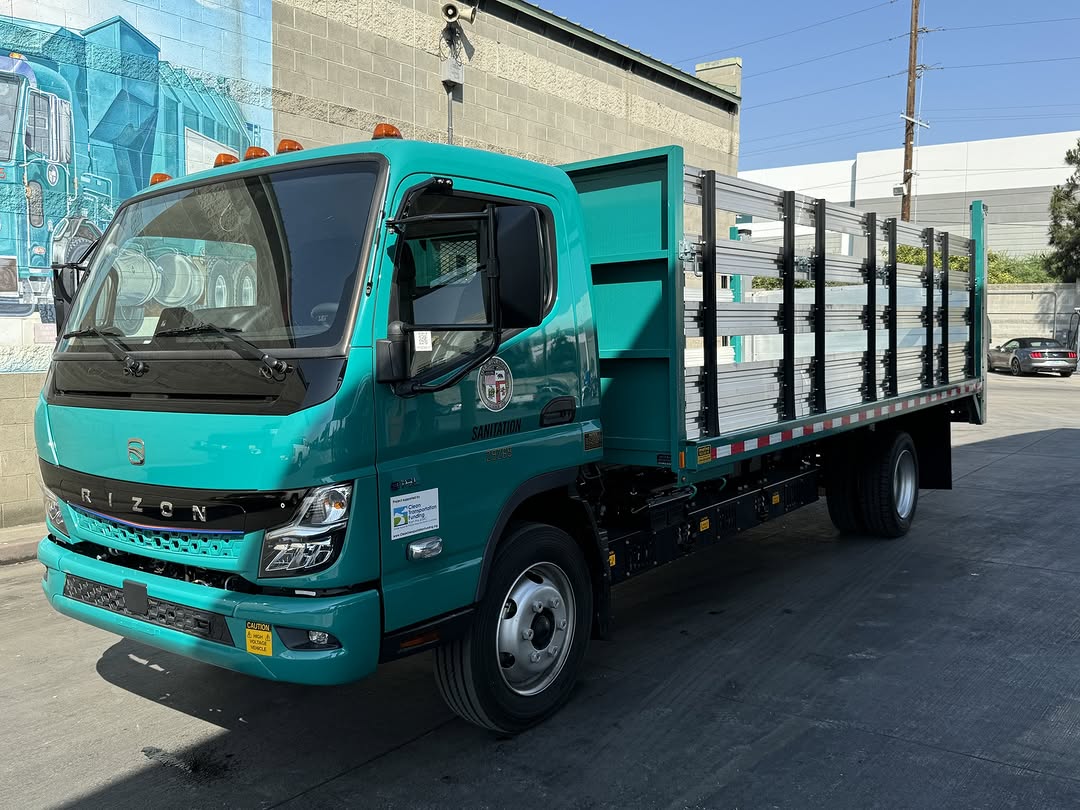
LA Sanitation and Environment (LASAN), the lead agency for the City’s environmental programs and initiatives, deployed seven RIZON trucks with stake bed bodies to facilitate the delivery of home trash bins to Los Angeles residents.
The City of Bakersfield ordered six electric RIZON trucks for its municipal fleet for urban sanitation and public works operations, including waste collection and community clean-up; four of the trucks will feature flatbed bodies.
The City of Colwood integrated an all-electric medium-duty truck into its public works operations as part of broader sustainability goals and emissions-reduction efforts.
Logistics
Regional delivery and logistics operators have also begun integrating electric box trucks into urban distribution routes. In these cases, trucks handle last-mile deliveries from centralized warehouses to local destinations, allowing fleet managers to match vehicle range to daily mileage. Some hospitality and service logistics providers are using electric trucks for scheduled deliveries where routes and dwell times are highly predictable.
Case Studies
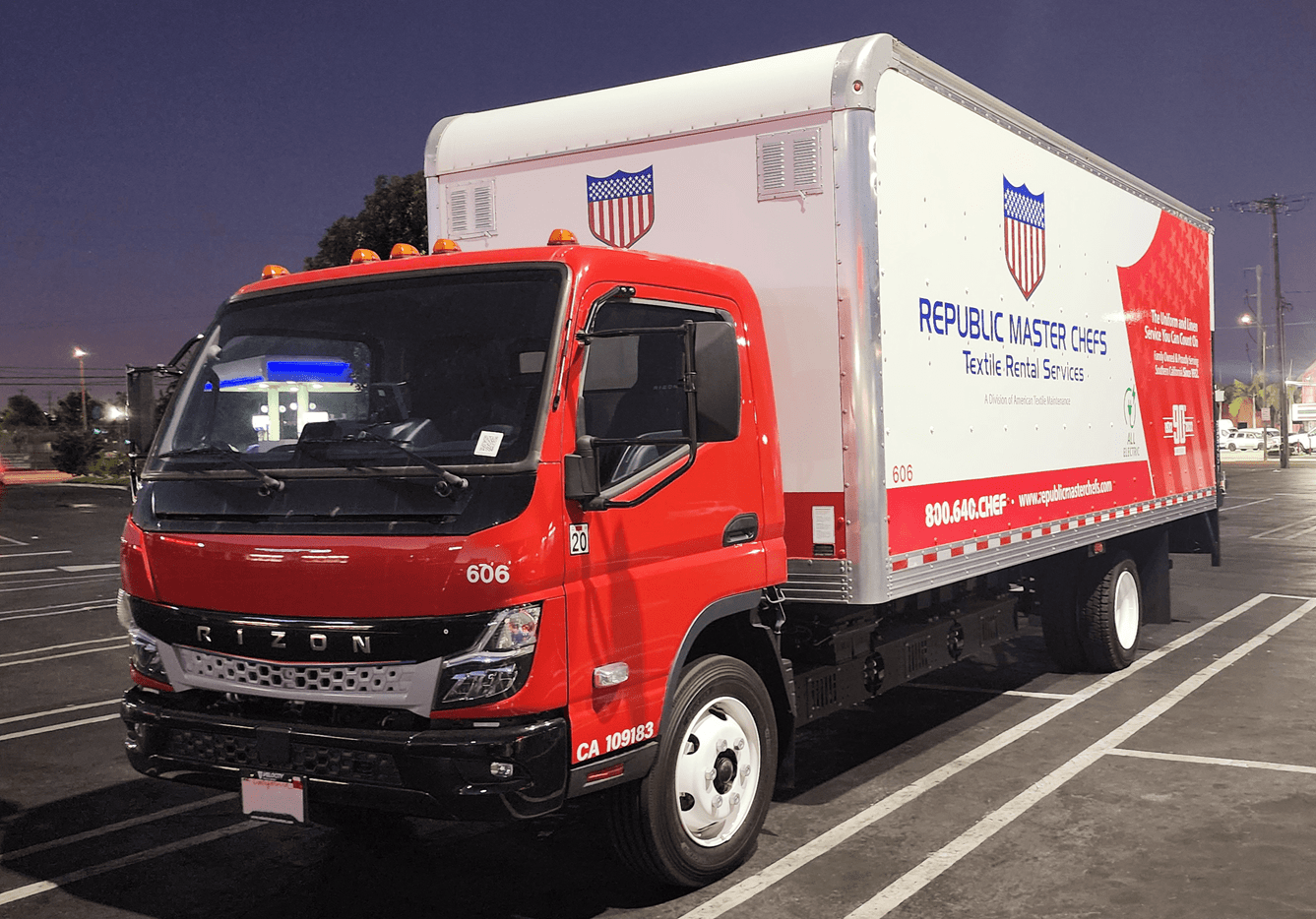
Republic Master Chefs ordered five RIZON box trucks to deliver textiles and linens to hospitality and food service customers throughout Southern California.
Goodwill Industries of San Diego County integrated a RIZON truck to support its Southern California donation centers and thrift stores.
Ecorecycling deployed 3 RIZON trucks for use in the transport of thousands of pounds of clothing and book donations from the local community to its sorting warehouse in Northern California.
Treefort Entertainment, a specialty equipment rental company serving the film and television industry, added a RIZON electric box truck to its fleet, as did LA Percussion, a one-of-a-kind musical instrument rental company. Both companies use their vehicles to provide zero-emission deliveries to their customers.
Construction
Construction-adjacent and specialty service fleets represent another early adoption group. Electric trucks are being deployed for equipment transport and site-to-site deliveries within defined geographic areas. This includes electric trucks with dump bodies that are used for landscaping purposes. These applications demonstrate that electric delivery trucks can support commercial operations beyond traditional parcel delivery when duty cycles align with vehicle capabilities.
Case study
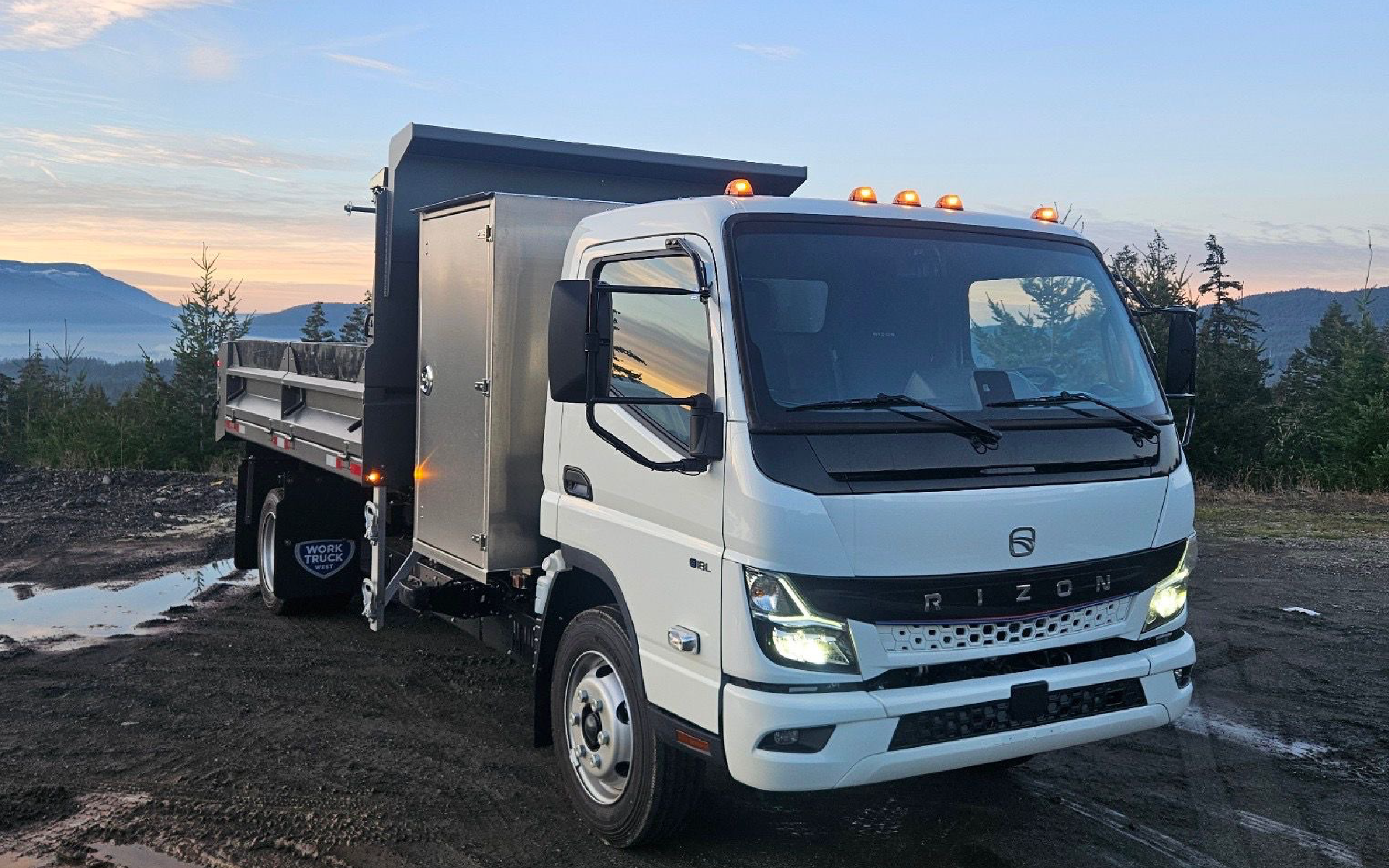
Villamar Construction, based in Victoria, British Columbia, added a RIZON truck upfitted with a dump body to its fleet. The company uses the truck on custom home-building projects, supporting day-to-day construction work around Victoria.
These deployments show that electric trucks are no longer limited to pilot programs. They are being used in real operations by organizations that need reliable vehicles for everyday work.
Benefits of Electrifying Fleet Vehicles
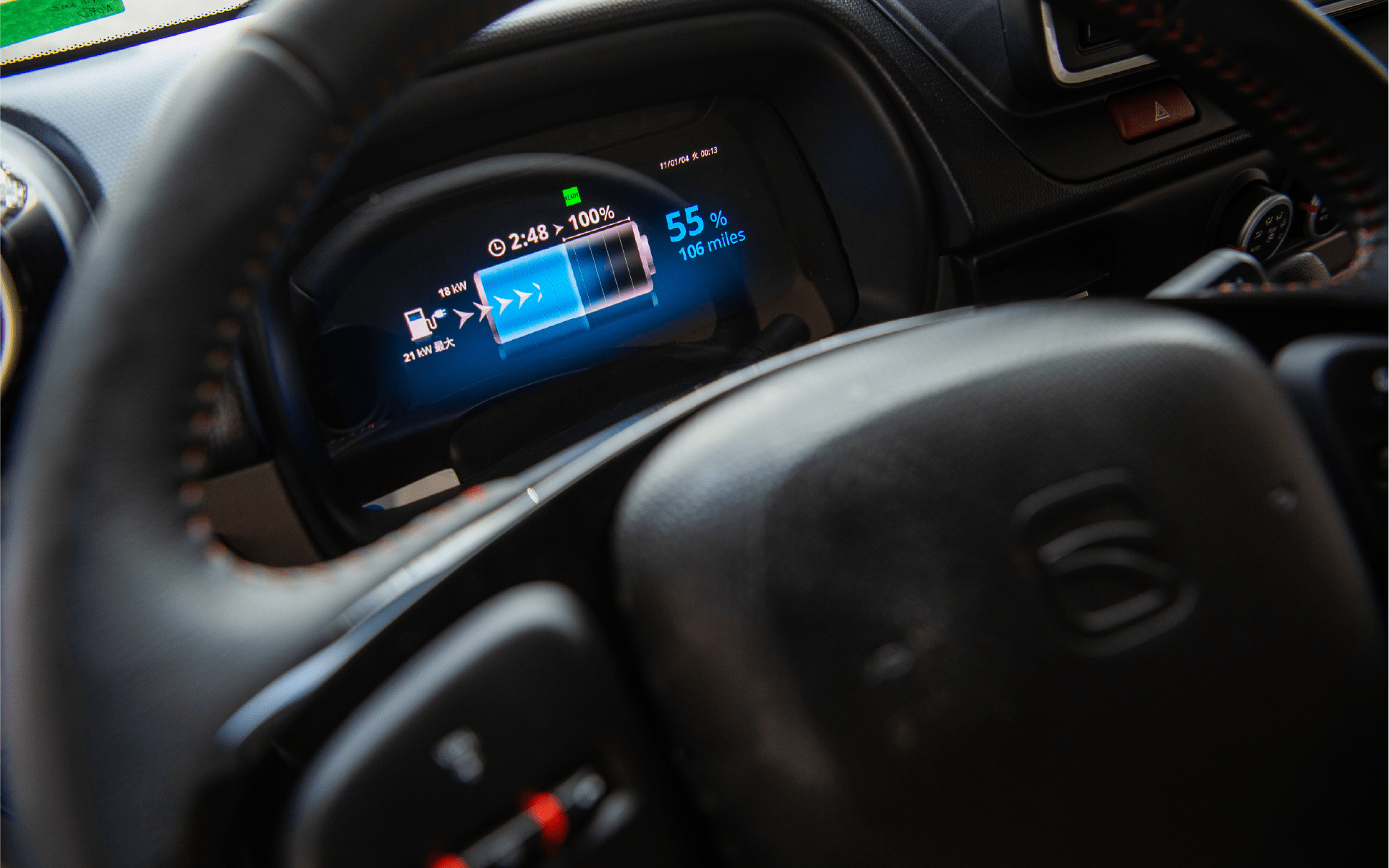
The move toward electrification is driven by a combination of operational and strategic advantages.
Fleet operators often begin exploring electric trucks to reduce fuel costs and emissions, but many discover additional benefits once vehicles are in service. Over time, this allows operations teams to compare maintenance intervals, energy spend, and driver feedback across vehicle types.
Electric trucks typically offer lower maintenance requirements due to fewer moving parts. They also provide quieter operation, which can be valuable for early-morning or residential routes. In some regions, government incentives and regulatory programs further support the transition to zero-emission transportation.
For businesses and municipalities alike, electrification can also support brand perception and sustainability goals. Operating electric vehicles signals a commitment to environmental responsibility while helping organizations prepare for tightening emissions standards in key markets.
Choosing the Right Electric Truck for Your Fleet
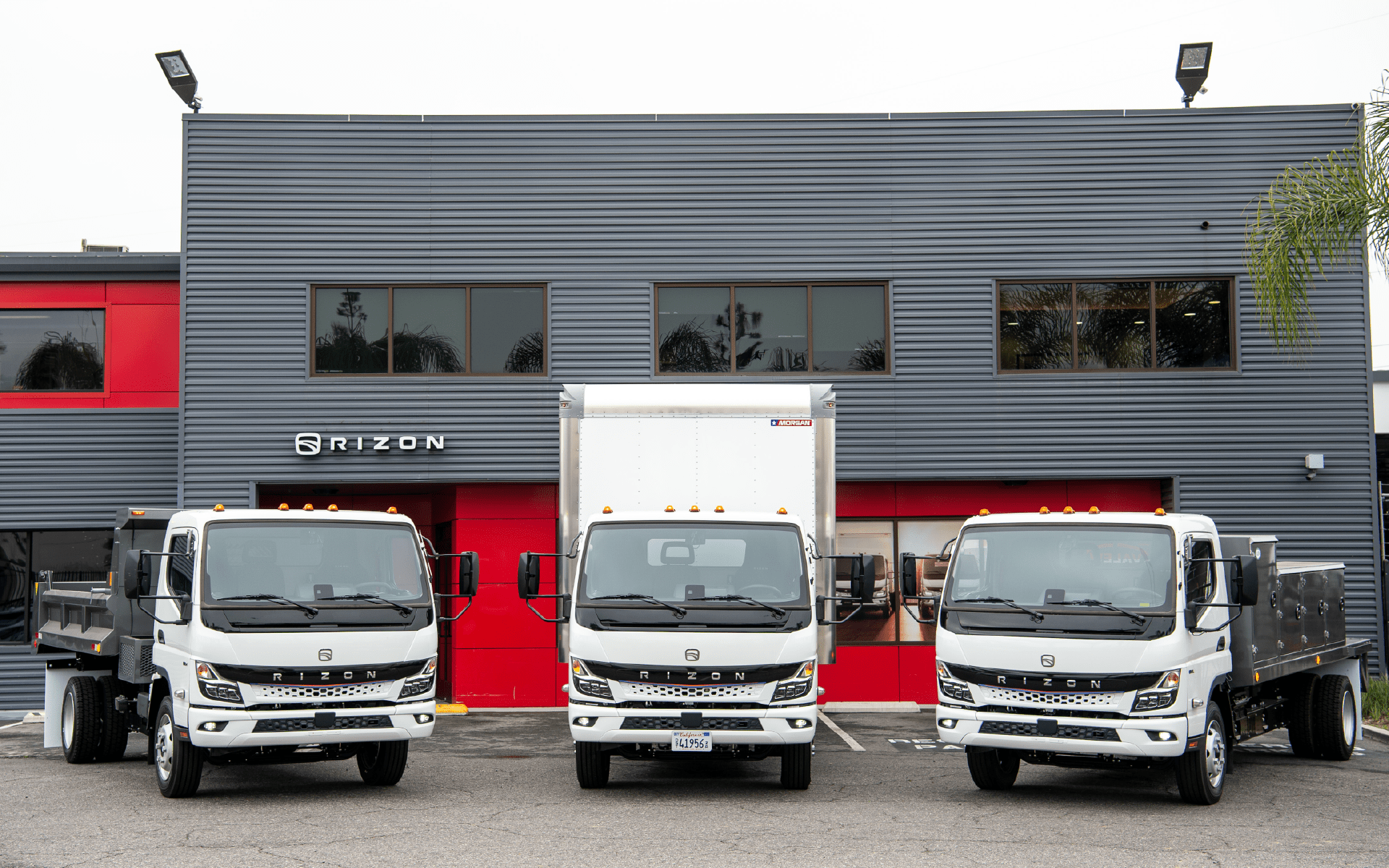
Selecting the right electric truck depends on route length, payload needs, and daily operating patterns. Medium-duty vehicles are often a strong fit for urban and regional applications where trucks travel consistent routes and return to a depot for charging. This usually involves mapping daily mileage, dwell time at depot, and body upfit requirements to ensure vehicles meet operational expectations.
It is important to note that swapping a diesel truck for an electric one doesn’t automatically ensure savings or efficiency. It has largely to do with selecting an EV for a suitable job.
Fleet operators evaluating electric trucks typically consider:
• Payload capacity and body configurations
• Range requirements
• Charging infrastructure
• Incentive eligibility
• Service and support networks
A truck designed specifically for medium-duty commercial work can make the transition smoother by aligning with existing routes and operational workflows. This evaluation is exceedingly important. To learn more about the evaluation process, check our fleet electrification guide.
Why RIZON Fits Modern Fleet Needs
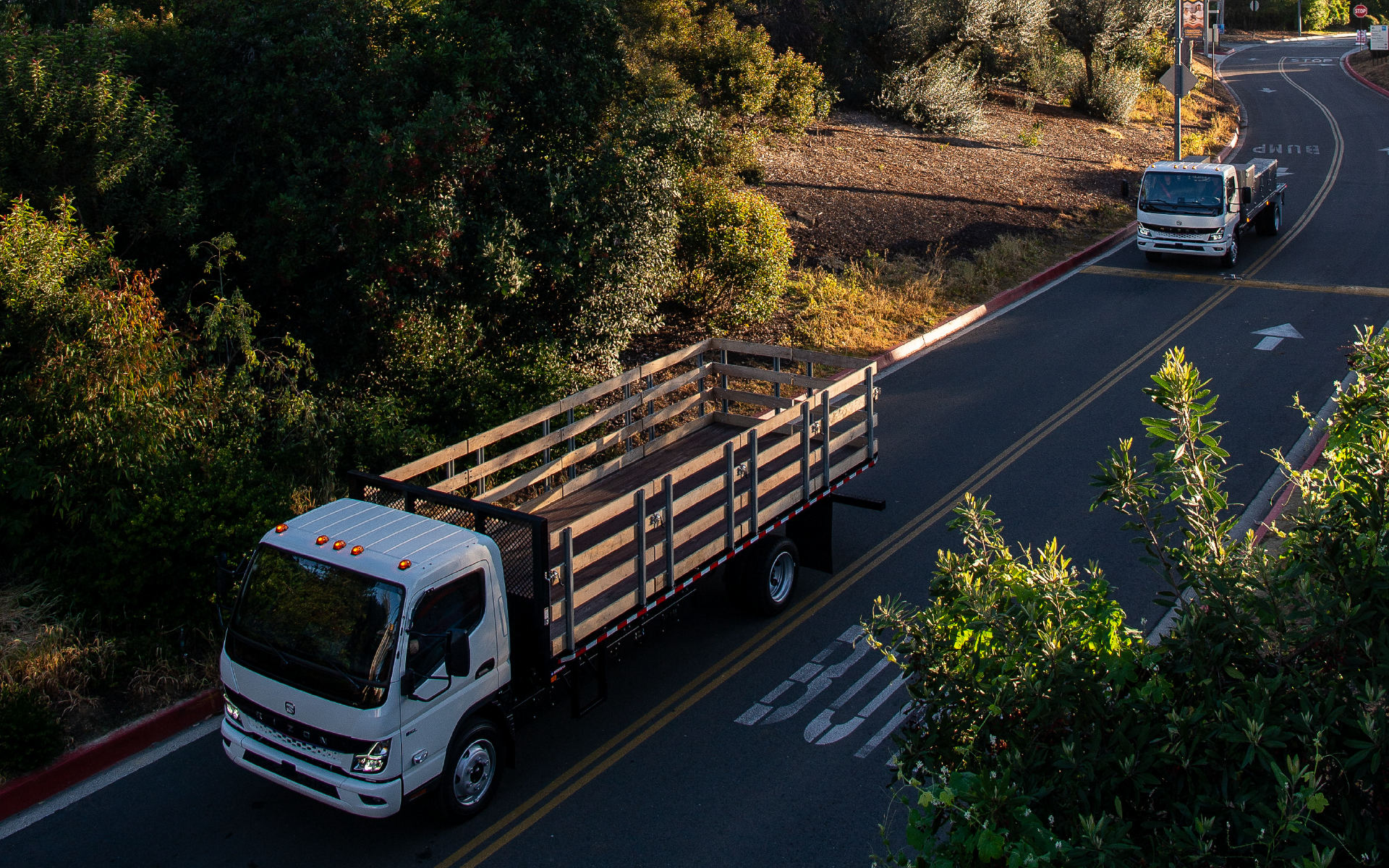
As electric truck adoption grows, purpose-built medium-duty platforms are becoming increasingly important. For many fleets, standardization across chassis, charging practices, and service support is key to scaling beyond pilot programs.
RIZON offers Class 4–5 electric trucks designed for urban delivery, municipal operations, and regional service routes. These trucks are already operating in commercial and public fleets across the United States and Canada, supporting applications from city services to last-mile distribution.
The platform supports multiple body configurations, including box trucks, dumps, and service bodies, allowing fleets to integrate electric vehicles into existing workflows. With flexible charging options and range suited to daily return-to-base operations, RIZON trucks are positioned to support practical fleet electrification rather than experimental deployments.
Recent deliveries to municipalities, service providers, and commercial operators show how medium-duty electric trucks can be integrated into real-world operations while maintaining performance expectations.
Where Electric Fleets Are Headed
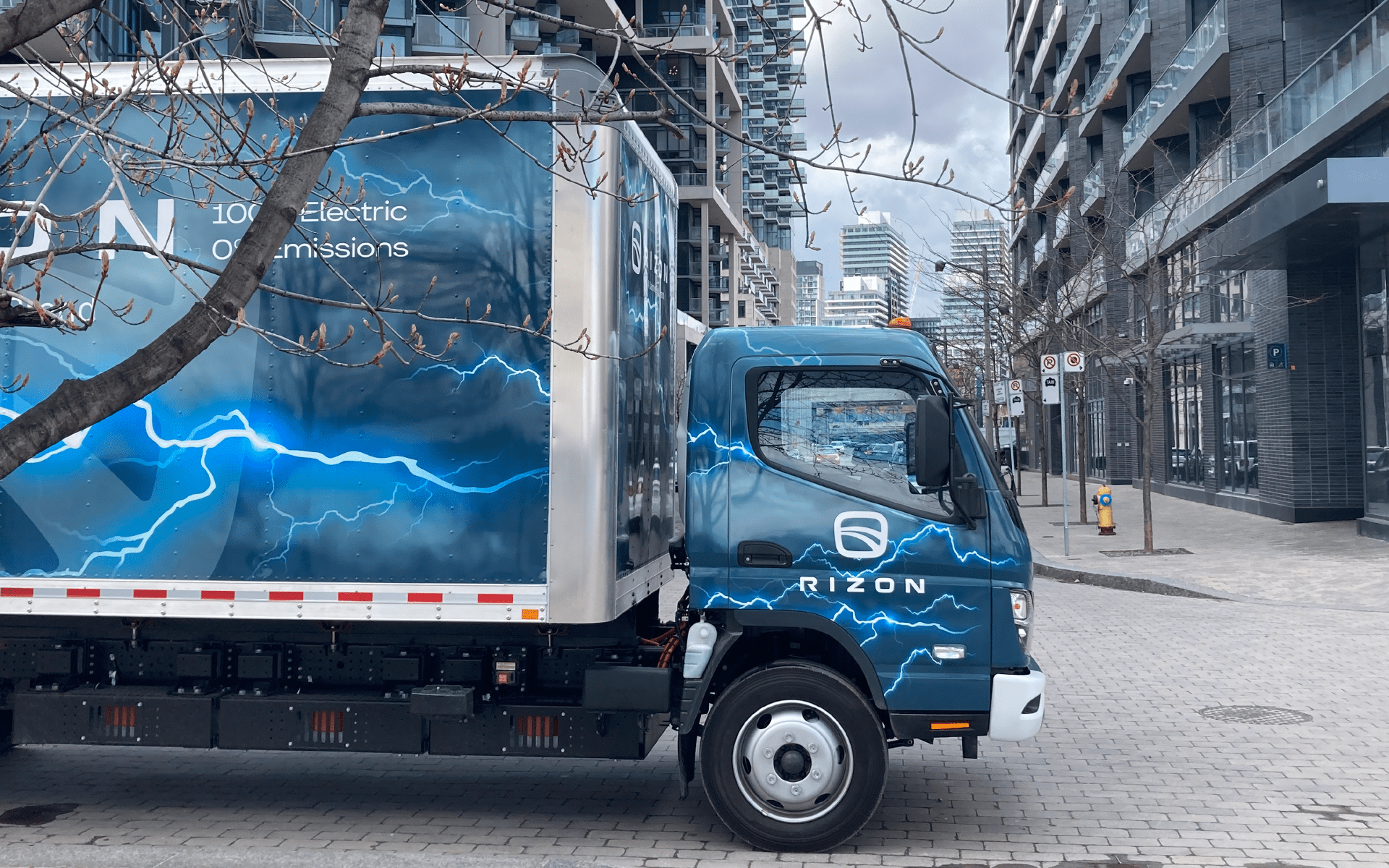
Electric trucks are steadily moving from early adoption into broader fleet deployment. As infrastructure expands and vehicle options increase, more organizations are incorporating electric vehicles into long-term planning.
The shift is not happening overnight, but the trajectory is clear: fleets are becoming more electrified, more connected, and more data-driven. Fleet planners are increasingly incorporating electrification into replacement cycles, capital planning, and infrastructure upgrades.
For fleet operators, the focus is less on whether electrification will happen and more on how to implement it effectively. With the right vehicle platforms and support networks in place, electric trucks are becoming a reliable EV fleet option for daily commercial operations and municipal services alike.