
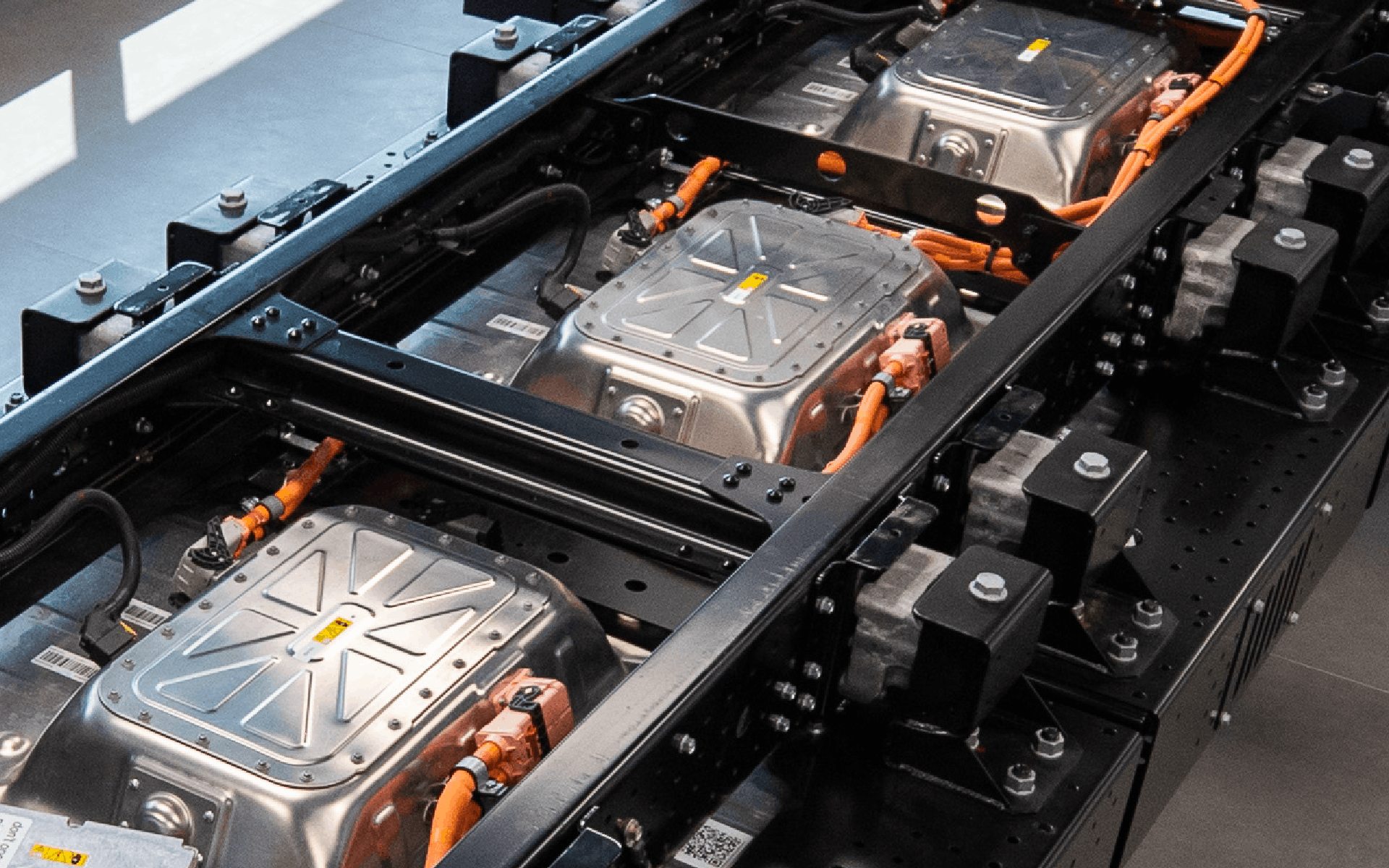
An EV battery is the central energy storage system that powers an electric vehicle, determining its range, performance, durability, and long-term value. While modern electric vehicles rely primarily on lithium-ion technology, the development of the EV battery spans nearly two centuries of scientific progress and engineering refinement.
To understand that progression, it’s useful to begin with how a modern EV battery is constructed.
The Structure of an EV Battery
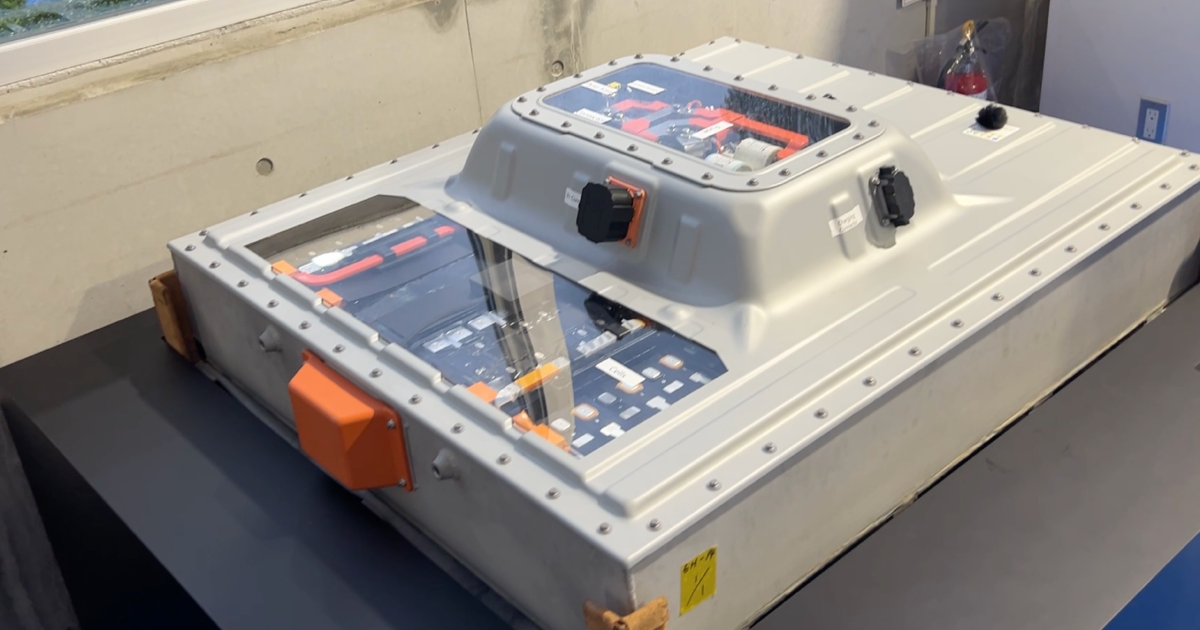
An EV battery is a rechargeable system composed of thousands of individual cells grouped into modules and packs. In most modern electric vehicles, those cells use lithium-ion battery chemistry.
A lithium-ion battery operates through the movement of lithium ions between two electrodes:
◆ Cathode: The positive electrode, typically a lithium metal oxide compound
◆ Anode: The negative electrode, usually graphite
◆ Electrolyte: A lithium salt solution that allows ion transport
◆ Separator: A membrane preventing short circuits while allowing ion flow
During charging, lithium ions move from the cathode to the anode. During discharge, they travel back to the cathode, generating usable electrical energy.
This reversible ion movement is what enables the repeated charge cycles that define EV battery performance.
Did You Know?
When lithium-ion batteries first appeared in 1991, they powered handheld camcorders, early laptop computers, and portable data devices. Scaling that same chemistry from small electronics to full-size vehicle battery packs required years of refinement to handle larger energy loads and real-world driving conditions.
The History of the EV Battery
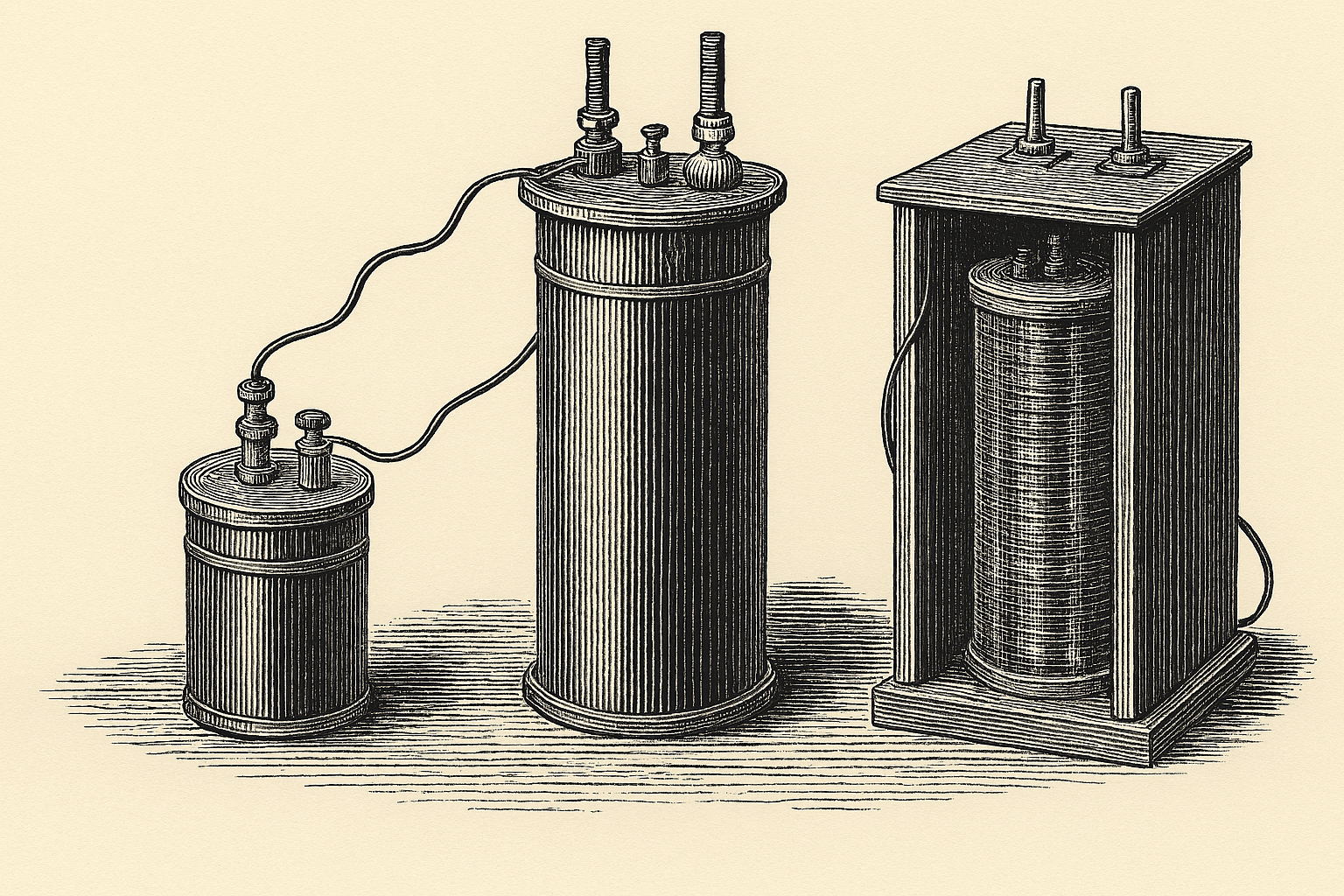
The history of the EV battery stretches back to the early 1800s, when inventors began experimenting with electric propulsion.
In the 1830s, a few crude battery-powered carriages were developed, but these early cells could only deliver a single use and were not practical for transport. It was not until the invention of the rechargeable lead-acid battery in 1859 that electrically powered vehicles became technically feasible.
By the late 19th century, electric vehicles were common in urban areas. They were quiet, clean, and easy to operate compared to gasoline cars of the era. However, lead-acid batteries had major limitations:
◆ Limited energy storage
◆ Limited driving range
◆ Long recharge times
By the 1920s, gasoline vehicles began to dominate due to their longer range, expanded roads, fueling stations, and infrastructure.
Electric vehicles did not re-emerge meaningfully until the late 20th century. Nickel-metal hydride batteries powered early hybrid vehicles in the 1990s, but lithium-ion batteries ultimately enabled the modern electric vehicle era by delivering higher energy density and lower weight.
Interested in more history? Check out our full artilce on the history of EVs!
Did You Know?
At the turn of the 20th century, electric vehicles held a meaningful share of the U.S. urban market. Their decline followed falling gasoline prices, expanding road networks, and mass production of gasoline cars, which made internal combustion vehicles more affordable and practical for long-distance travel.
How EV Battery Chemistry Evolved
The shift from lead-acid to nickel-based batteries and then to lithium-ion was driven by performance improvements.
Compared to earlier chemistries, lithium-ion batteries provide:
◆ Higher battery energy density
◆ Longer battery cycle life
◆Lower self-discharge rates
◆ Better weight-to-energy ratio
◆ Scalable manufacturing potential
Energy density became the defining metric for electric vehicle viability. Higher density means more range without excessive weight. Lithium-ion chemistry achieved a balance between energy density, durability, and manufacturability that earlier technologies could not.
Did You Know?
Since the early 1990s, lithium-ion battery energy density has more than doubled. Incremental improvements may sound small, but in a vehicle battery pack weighing hundreds of pounds, even modest gains can translate into meaningful increases in driving range.
Types of EV Battery Chemistries Today
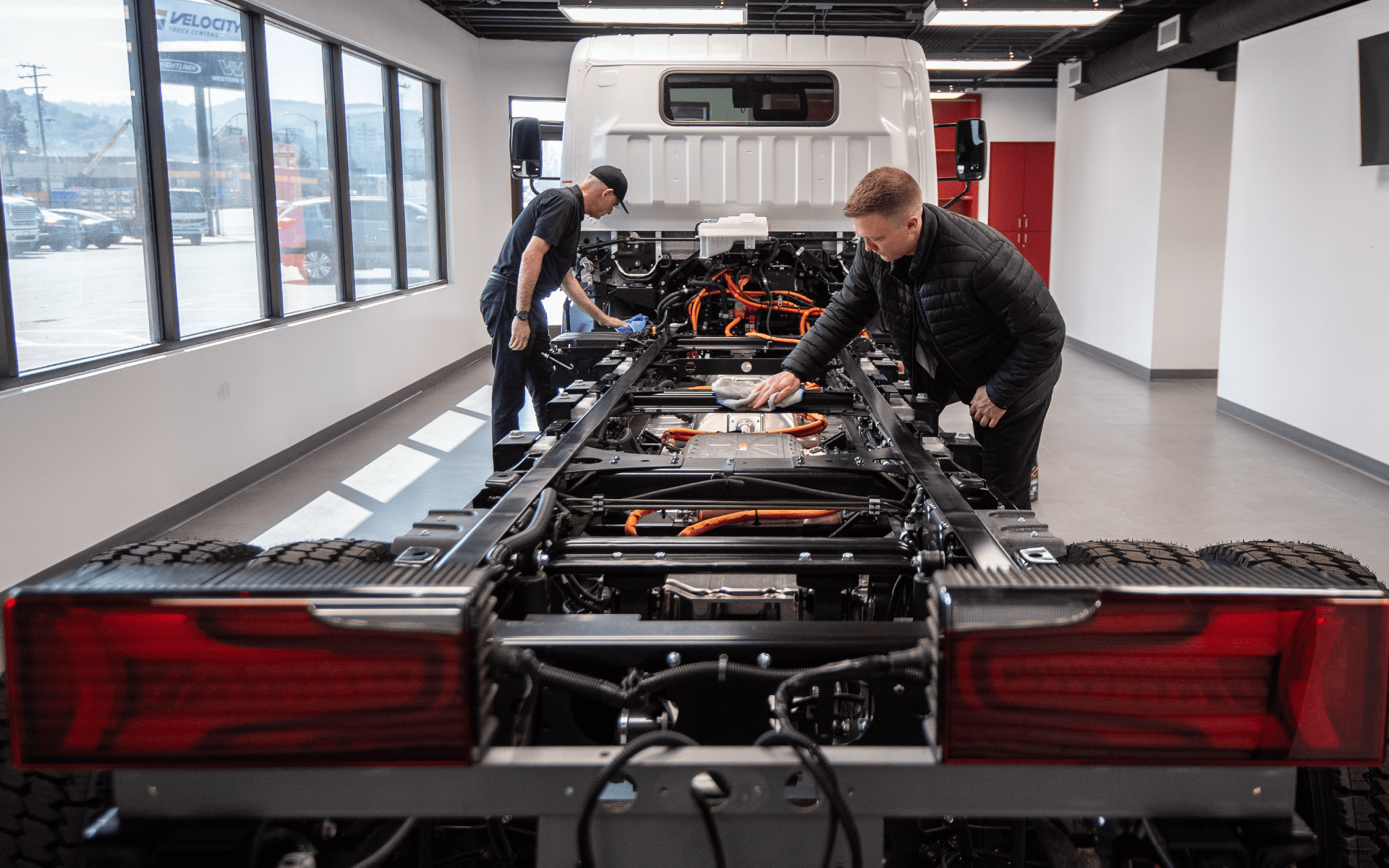
Modern EV battery systems primarily use lithium-ion technology, but the cathode chemistry varies.
NCM (Nickel Cobalt Manganese)
An NCM battery balances energy density and durability. Adjusting nickel, cobalt, and manganese ratios allows manufacturers to optimize performance and cost.
These batteries are widely used in global passenger EV markets.
NCA (Nickel Cobalt Aluminum)
An NCA battery emphasizes high energy density and is often used where long driving range is a priority. It offers strong performance but requires advanced battery management to maintain stability.
LFP (Lithium Iron Phosphate)
An LFP battery uses lithium iron phosphate as its cathode material.
Compared to NCM and NCA, LFP batteries typically offer:
◆ Lower energy density
◆ Higher thermal stability
◆ Longer cycle durability in many applications
◆ Improved safety profile
◆ Reduced cobalt dependency
The stability of LFP chemistry makes it especially attractive for commercial vehicles, where predictable performance and durability often matter more than maximum range.
This is one reason RIZON uses LFP battery technology in its Class 4–5 commercial electric trucks. For fleet operators, cycle durability and safety margins are often prioritized over peak energy density. This makes them ideal for commercial use.
Did You Know?
LFP batteries are generally more resistant to thermal runaway compared to many nickel-rich chemistries. This characteristic makes them particularly well-suited for applications requiring long service life and high reliability.
EV Battery Life and End of Life
EV battery lifespan depends on usage patterns, temperature exposure, and charging behavior. Most modern lithium-ion electric vehicle battery systems are engineered for long-term durability and gradual degradation rather than sudden failure.
Battery degradation refers to the gradual loss of usable capacity over time. In automotive applications, end-of-life is often defined when battery capacity declines to approximately 70–80% of its original capacity.
At that stage, the vehicle remains functional, but range is reduced.
Warranty coverage and functional lifespan are not identical. Many batteries continue operating effectively beyond warranty terms, particularly when managed under moderate charging conditions.
RIZON’s high-voltage batteries are covered by a class-leading, eight-year, 185,000 mile warranty.
Did You Know?
Even after reaching automotive end-of-life thresholds, many EV batteries retain sufficient capacity for stationary energy storage applications, extending their usable life beyond vehicle service.
The Future of EV Battery Technology
Research into EV battery systems continues to focus on:
◆ Higher battery energy density
◆ Faster charging capability
◆ Improved battery cycle life
◆ Reduced material cost
◆ Expanded recycling processes
Solid-state battery research aims to replace liquid electrolytes with solid materials to enhance safety and density. While promising, most solid-state systems remain in development phases.
Incremental improvements in lithium-ion chemistry, manufacturing scale, and recycling infrastructure are likely to drive near-term progress more than disruptive breakthroughs.
Why EV Battery Knowledge Matters
The EV battery defines not only vehicle range, but long-term durability and operating costs. Understanding differences in EV battery chemistry, degradation patterns, and safety characteristics helps fleet operators select vehicles aligned with their operational demands.
As battery technology continues to evolve, steady improvements in reliability, efficiency, and manufacturability will continue shaping commercial adoption. Importantly, these advancements are no longer theoretical.