
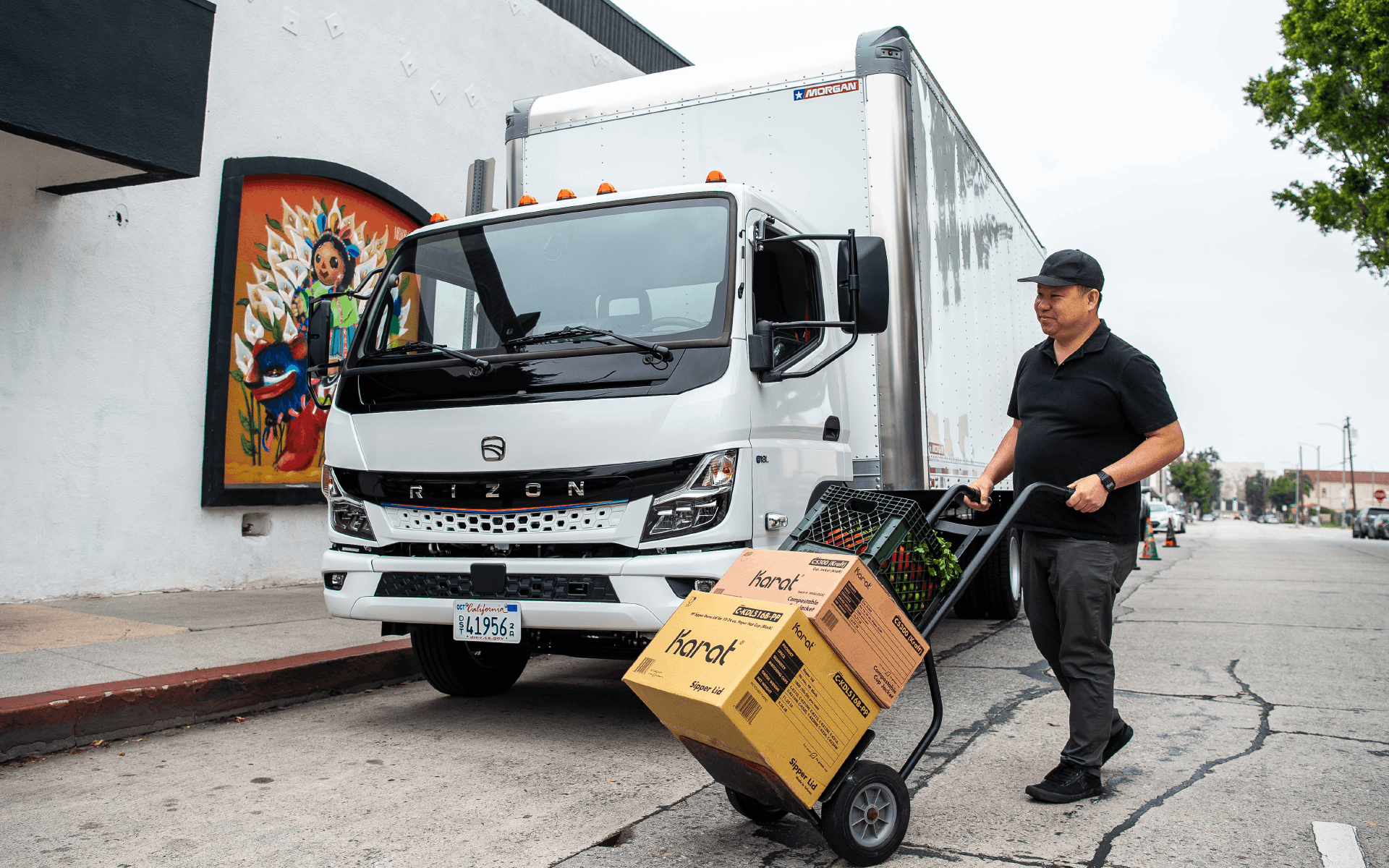
Electric delivery trucks are moving from pilot programs into real fleet operations as more companies determine they are a viable and practical option for daily routes.
Click here for real case studies.
Improvements in vehicle range, charging access, and total cost of ownership are making electrification a realistic step for operators who need predictable performance rather than experimental technology.
For fleet managers, the decision to introduce electric trucks is usually tied to route structure and long-term operating costs.
When vehicles return to base each day and operate within consistent mileage ranges, electric delivery trucks can fit naturally into existing workflows while supporting emissions goals and fuel-cost stability.
Why Electric Delivery Trucks Are Gaining Traction
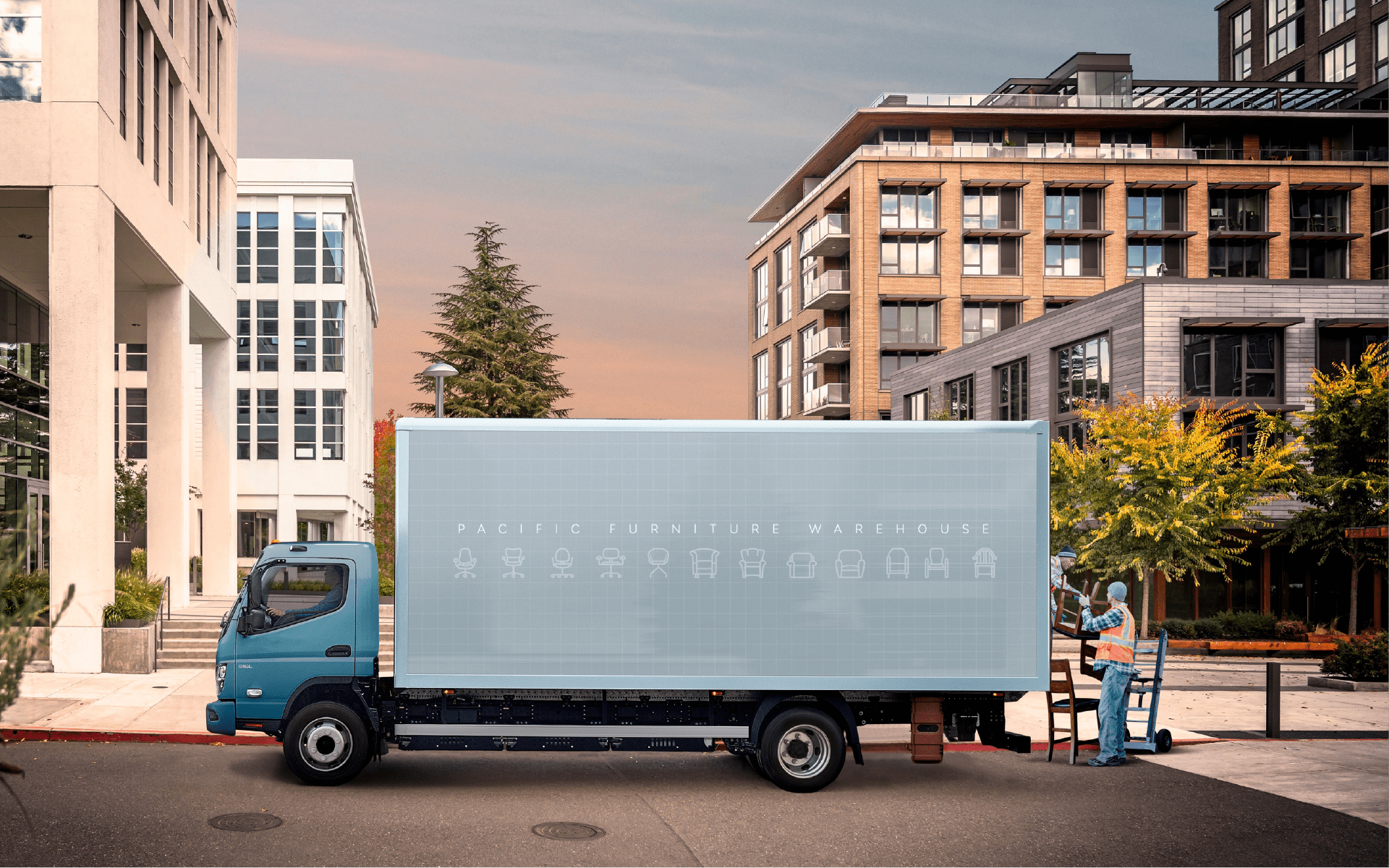
Adoption is increasing because the operational case is becoming clearer. Fleet operators are under pressure to manage fuel volatility, prepare for emissions regulations, and maintain reliable service schedules.
Electric trucks address several of these concerns at once by offering stable energy costs, reduced maintenance requirements, and compatibility with urban and regional delivery routes.
Technology has also matured. Medium-duty electric platforms designed specifically for commercial work now offer body configurations and payload capabilities that align with delivery operations. This shift has made electric trucks less of a specialty purchase and more of a strategic fleet option for certain duty cycles.
As more fleets deploy electric vehicles in controlled environments and track performance data, confidence in their reliability continues to grow. Instead of broad electrification mandates, most operators are introducing electric trucks in targeted segments where they deliver measurable value.
Operational Benefits for Fleet Operators

The operational appeal of electric delivery trucks often centers on predictability. Electric powertrains have fewer mechanical components than diesel engines, which can reduce maintenance complexity and support consistent uptime. For fleet managers responsible for keeping vehicles on the road, this can simplify service planning and scheduling.
Electric trucks also provide quieter operation, which is beneficial for early-morning routes or deliveries in noise-sensitive areas. Drivers often report smoother acceleration and less vibration compared to diesel vehicles, which can improve overall driving experience on stop-and-go routes.
From a planning standpoint, electric vehicles introduce new considerations such as charging schedules and energy monitoring. However, these factors can also provide greater visibility into fleet operations. Many fleets integrate telematics and charging management tools to track vehicle usage, energy consumption, and route efficiency, allowing them to refine deployment strategies over time.
Cost and ROI Considerations

Financial performance is a key factor in evaluating electric delivery trucks. While purchase prices may be higher than comparable diesel vehicles, many fleets assess electric trucks through total cost of ownership rather than upfront cost alone.
Energy costs are often more stable than diesel fuel expenses, especially when charging occurs during off-peak hours. Maintenance costs can also be lower over time due to fewer moving parts and reduced wear on braking systems. When vehicles are deployed on routes that match their range and charging capabilities, these savings can become more predictable.
Some fleets also benefit from incentives or regulatory programs that support zero-emission vehicles, helping offset initial investment costs. Over time, the combination of energy savings, maintenance reductions, and regulatory readiness can make electric delivery trucks a financially practical option for specific fleet segments.
Real-World Electric Delivery Truck Deployments
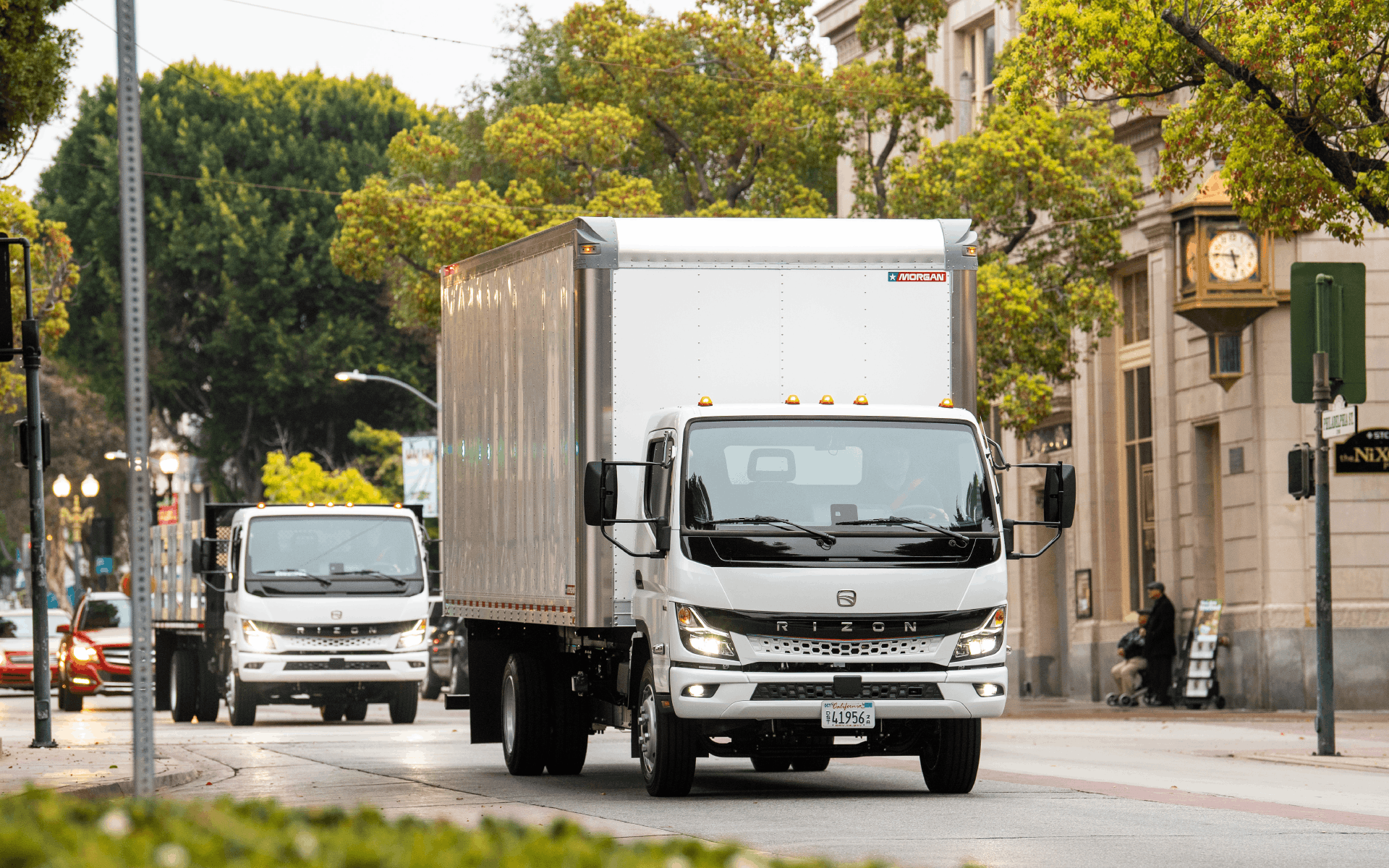
Examples from recent deployments highlight how electric trucks are being integrated into everyday operations.
Municipal fleets have introduced medium-duty electric trucks into service roles that involve regular routes and centralized facilities. These vehicles support public works and service functions while helping cities reduce emissions.
Delivery and logistics operators have deployed electric box trucks on urban routes where daily mileage is predictable. In these cases, trucks return to base for overnight charging and operate on consistent schedules, allowing fleet managers to evaluate performance against diesel vehicles.
Additional deployments in service and construction-related fleets show electric trucks being used for equipment transport and regional deliveries. These examples illustrate a common pattern: fleets are selecting routes and applications where electric vehicles can perform reliably and then expanding deployment once performance is confirmed.
Case Studies
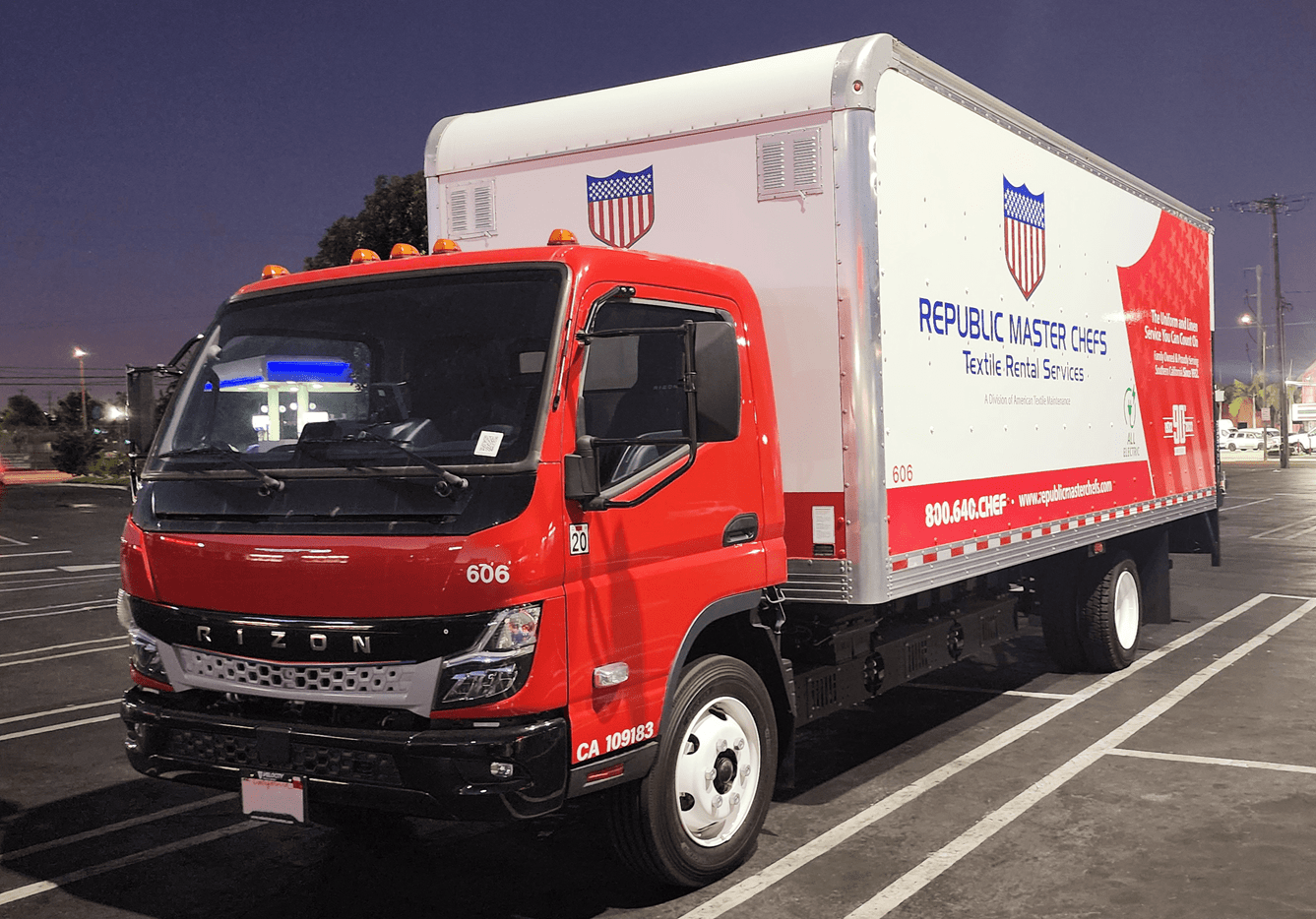
Republic Master Chefs ordered five RIZON box trucks to deliver textiles and linens to hospitality and food service customers throughout Southern California.
Goodwill Industries of San Diego County integrated a RIZON truck for supporting its Southern California donation centers and thrift stores.
Ecorecycling deployed 3 RIZON trucks for use in transport of thousands of pounds of clothing and book donations from the local community to its sorting warehouse in Northern California.
Treefort Entertainment, a specialty equipment rental company serving the film and television industry, added a RIZON electric box truck to its fleet, as did LA Percussion, a one-of-a-kind musical instrument rental company. Both companies use their vehicles to provide zero-emission deliveries to their customers.
Choosing the Right Electric Delivery Truck
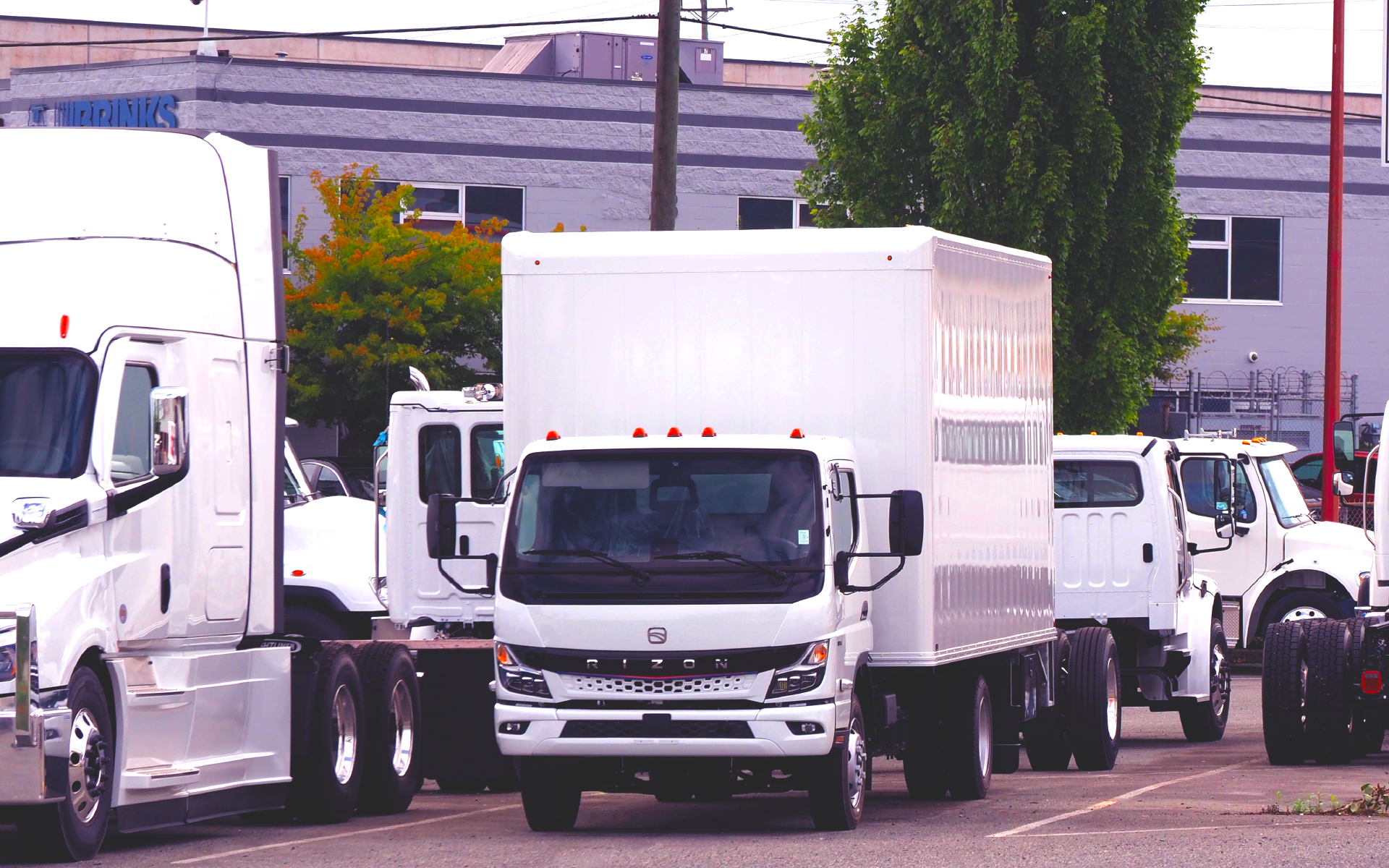
Introducing electric delivery trucks into a fleet requires aligning vehicle capabilities with operational needs. Route length, payload requirements, charging access, and daily utilization all influence whether an electric truck is a strong fit.
Medium-duty trucks are often well suited to urban and regional delivery work because they can handle consistent routes and return to a central depot for charging. Body configuration flexibility is also important, as fleets need vehicles that can support existing delivery or service applications.
Rather than replacing diesel vehicles across the board, many fleets begin with targeted deployments that allow them to gather performance data and refine operational strategies. This measured approach helps ensure that electric trucks deliver expected efficiency gains without disrupting service reliability.
How RIZON Supports Delivery Fleets
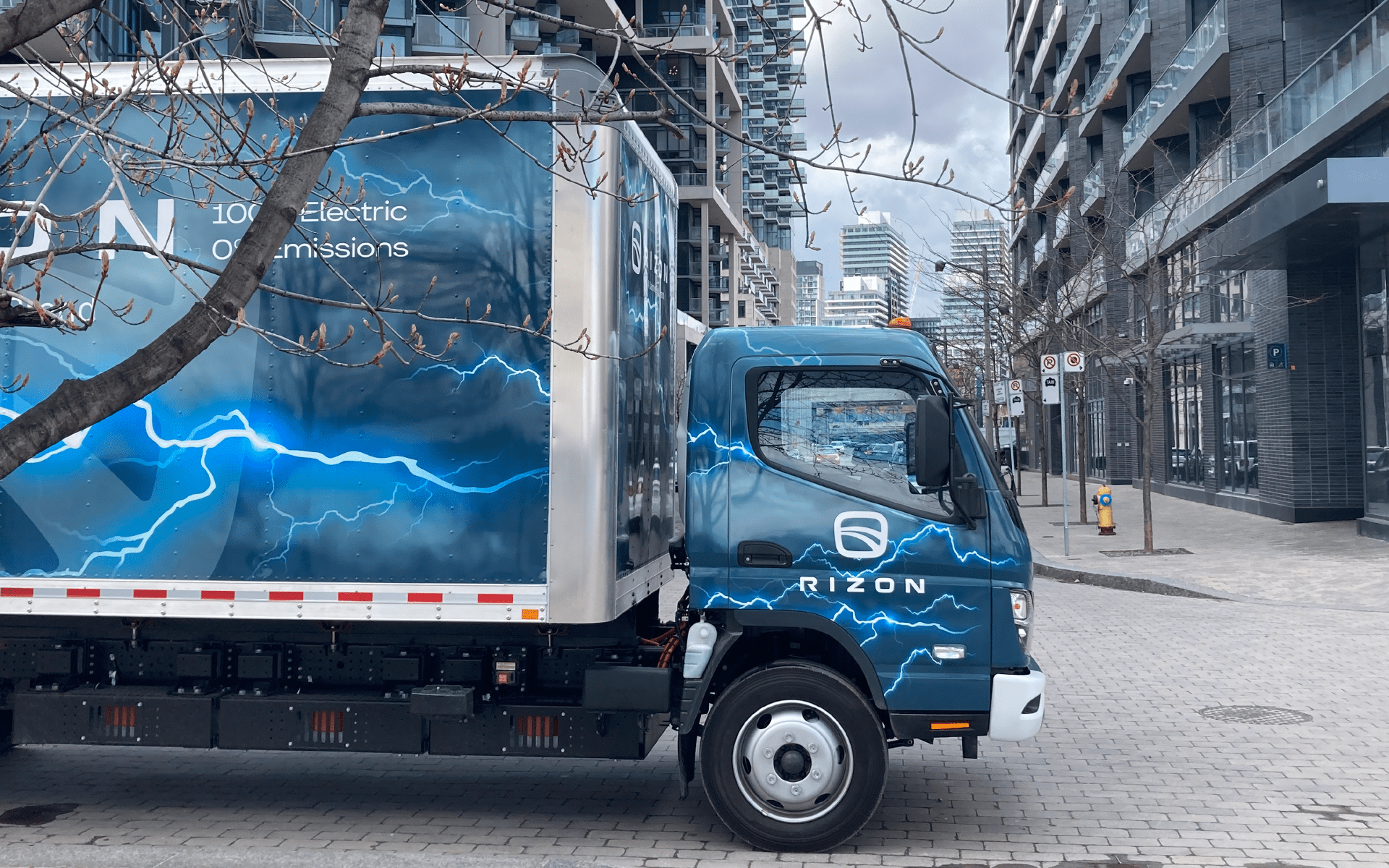
As fleets evaluate electric delivery trucks, purpose-built commercial platforms are becoming more important. RIZON offers Class 4–5 electric trucks designed for delivery, municipal, and service applications, with configurations suited to box truck and service-body use cases.
RIZON trucks are already operating in commercial and public fleets across North America, supporting routes where vehicles return to base daily and operate within predictable mileage ranges. This alignment with real-world duty cycles allows fleets to integrate electric trucks into existing operations rather than creating entirely new workflows.
By focusing on medium-duty applications and practical deployment scenarios, RIZON positions its vehicles as a scalable solution for fleets looking to introduce electric delivery trucks in a measured and operationally sound way.
Planning for the Next Phase of Fleet Adoption
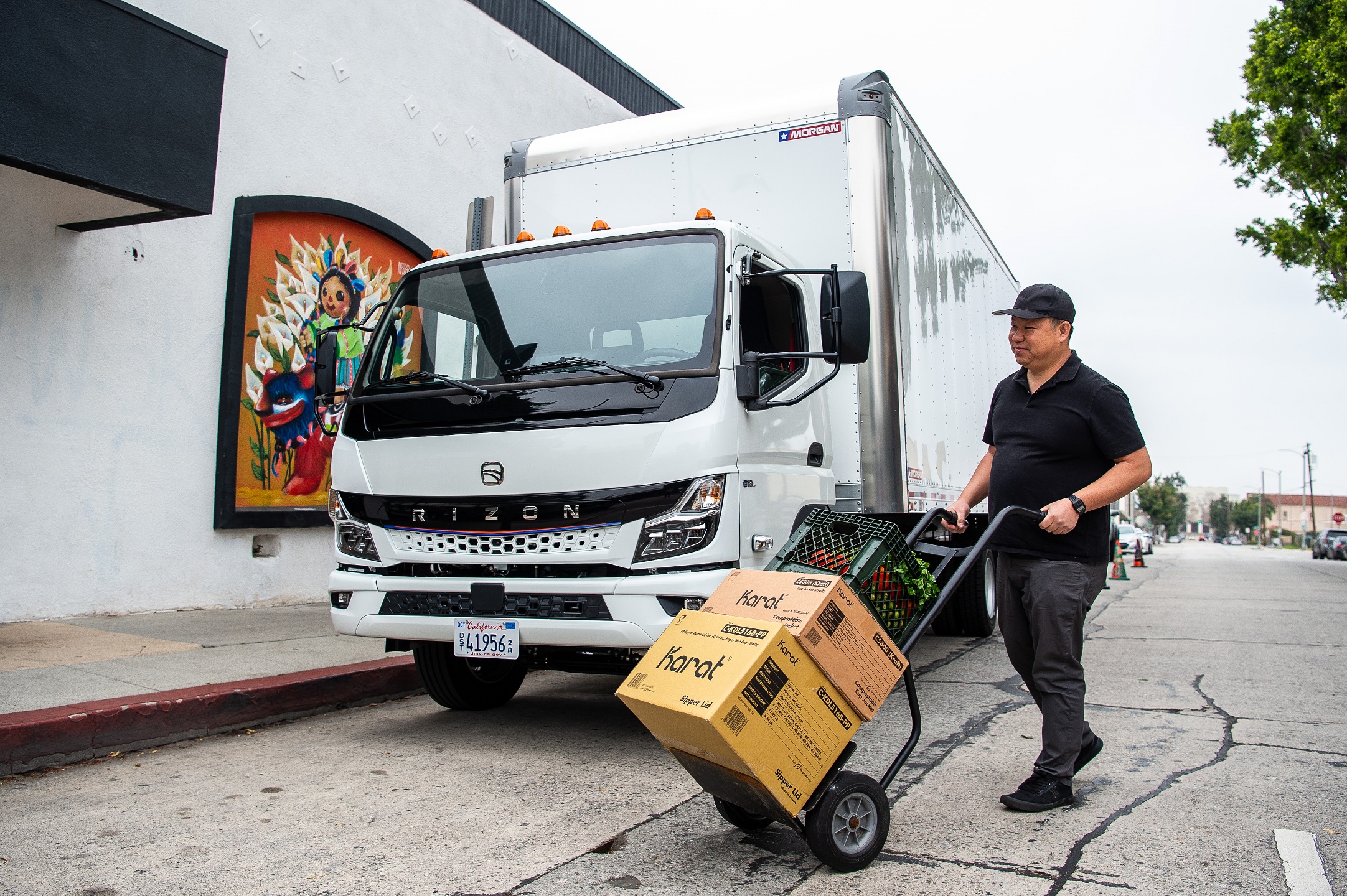
Electric delivery trucks are becoming a standard consideration in fleet planning rather than a future concept. As infrastructure expands and more operators gain firsthand experience with electric vehicles, adoption is expected to continue in segments where the operational and financial case is clear.
For fleet managers, the path forward typically involves evaluating routes, identifying suitable applications, and introducing electric trucks where they can deliver immediate value. With careful planning and the right vehicle platforms, electric trucks can support reliable delivery operations while helping fleets manage costs and prepare for evolving regulations.