
EV fleet management is becoming one of the most critical operational disciplines for modern transportation and logistics teams as commercial fleets transition from diesel to electric vehicles. Electrification introduces new variables — charging, battery health, energy costs, and range planning — that require a more connected, data-driven approach to fleet operations.
For fleet managers, the shift isn’t just about replacing vehicles. It’s about building systems that provide real-time visibility into performance, utilization, and energy consumption across the entire fleet.
What Is EV Fleet Management?

EV fleet management refers to the monitoring, optimization, and operation of electric commercial vehicles using connected data platforms that track battery status, energy use, vehicle location, and overall performance. These systems help fleets maximize uptime, control operating costs, and ensure vehicles remain ready for deployment.
Unlike traditional fleet management, electric operations rely heavily on real-time data and connected telematics to maintain efficiency.
Why EV Fleet Management Requires a New Approach
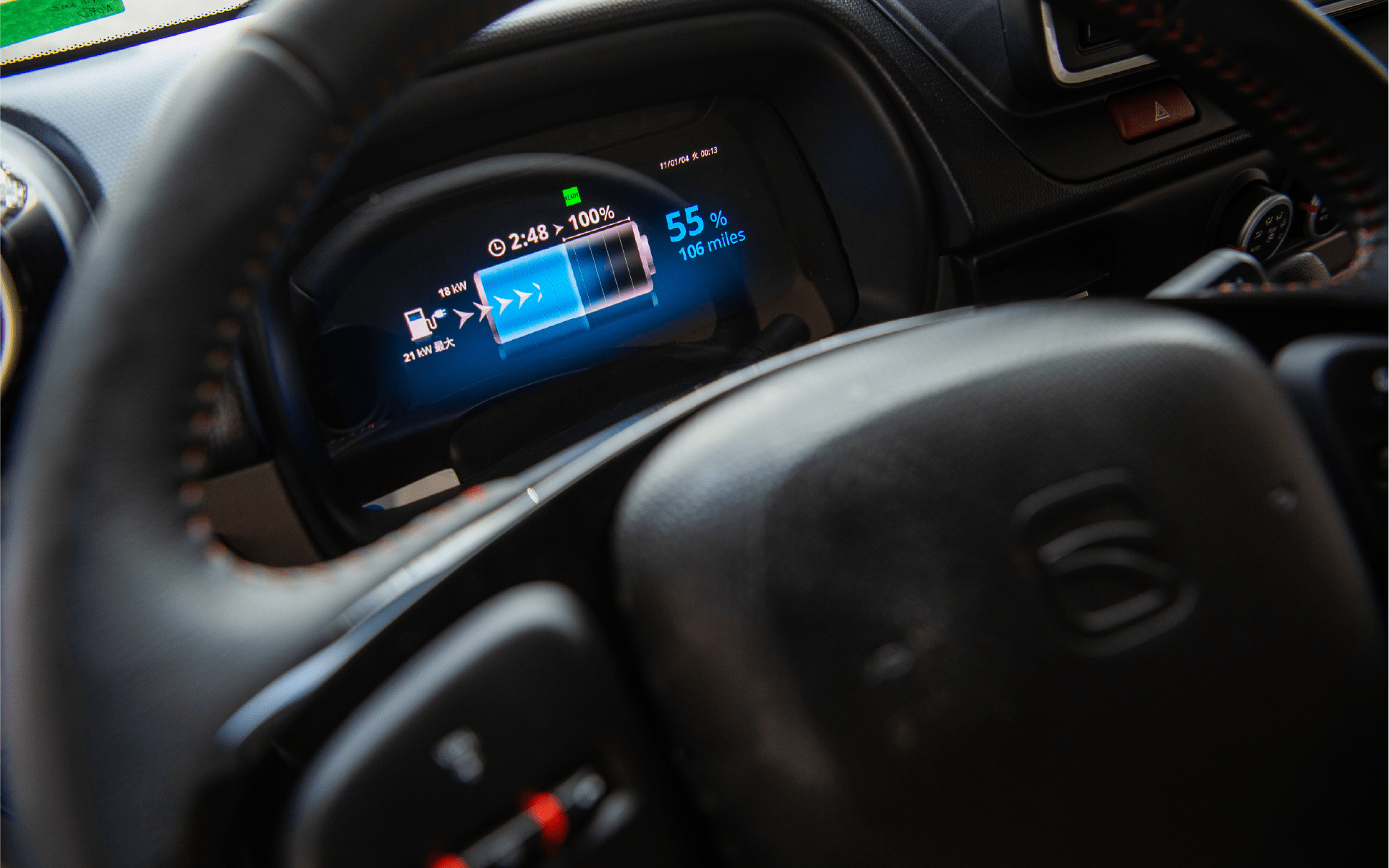
Managing an electric fleet introduces new operational factors:
• Battery state of charge and health
• Charging coordination and scheduling
• Energy cost tracking
• Range forecasting
• Vehicle availability during charging
• Utilization across routes and depots
In diesel fleets, refueling takes minutes. In electric fleets, charging becomes part of the operational schedule. This means EV fleet management must integrate vehicle data, route planning, and energy strategy into a single operational view.
Connected fleet platforms are increasingly central to this process, giving managers the ability to monitor vehicles in real time rather than relying on manual reporting.
Core Challenges in EV Fleet Management
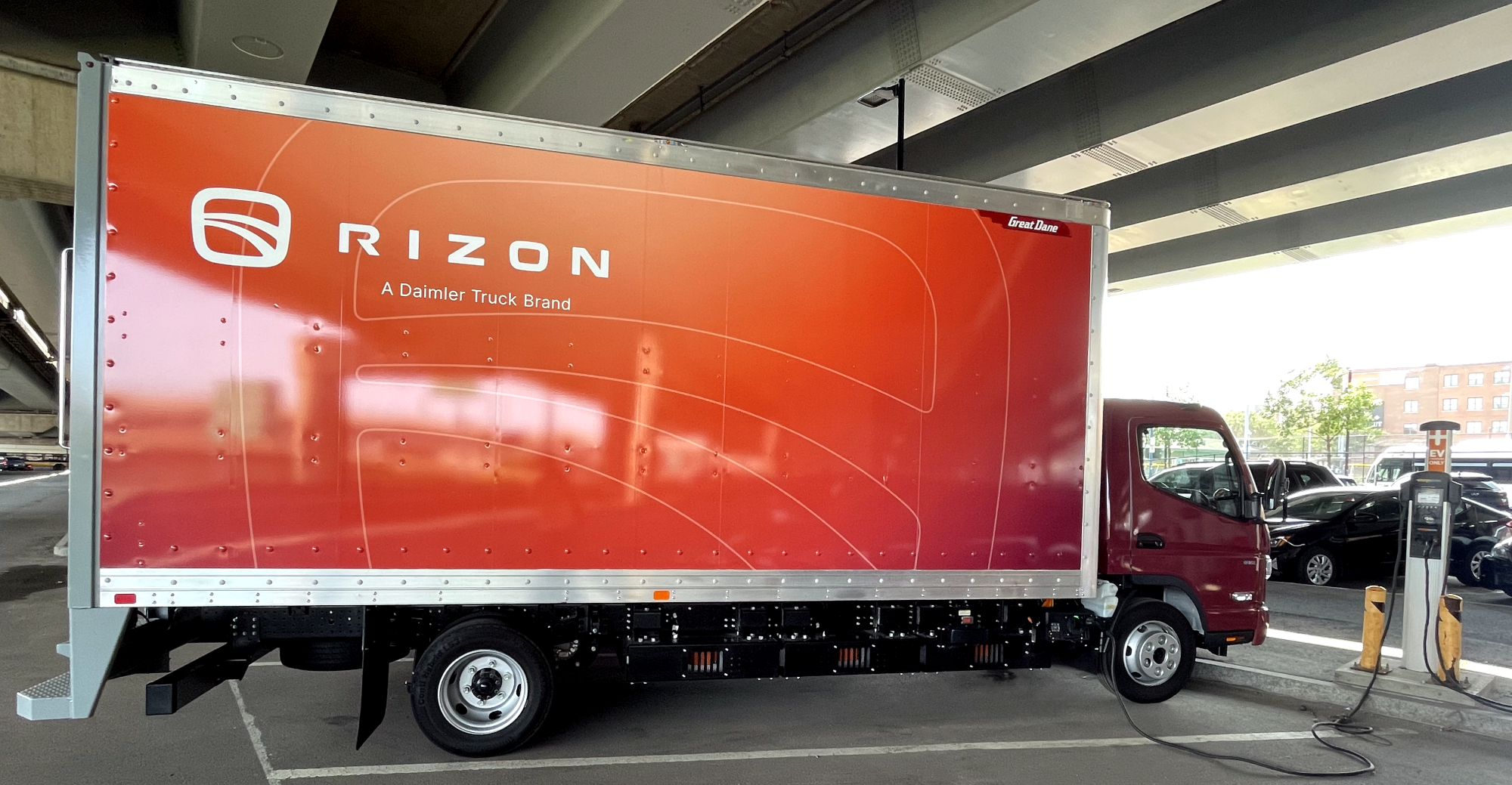
Charging and range coordination
Fleet managers must ensure vehicles have enough charge to complete routes while minimizing downtime at chargers.
Battery health monitoring
Battery condition directly impacts range, performance, and long-term asset value.
Energy efficiency tracking
Electricity usage varies by route, driving behavior, and load, making efficiency analytics essential.
Utilization optimization
Vehicles must be deployed in ways that balance charging windows with delivery schedules.
Operational visibility
Without connected systems, managing an electric fleet at scale becomes difficult.
These challenges are driving adoption of connected EV fleet management platforms that centralize data from across the fleet.
The Role of Connected Telematics in EV Fleet Management

Telematics systems provide the foundation for modern EV fleet management. They allow managers to monitor:
• Vehicle location in real time
• State of charge (SoC)
• Remaining range
• Energy consumption
• Driving and trip history
• Alerts and diagnostic information
By consolidating this data into a single interface, fleet managers can quickly assess fleet status and make operational decisions without contacting drivers directly.
For example, connected fleet platforms used with commercial electric vehicles such as RIZON truck provide dashboard-level visibility into vehicle location, charge status, and performance metrics across multiple vehicles. This kind of centralized monitoring helps improve dispatching and reduces uncertainty around vehicle readiness.
Battery, Range, and Energy Management
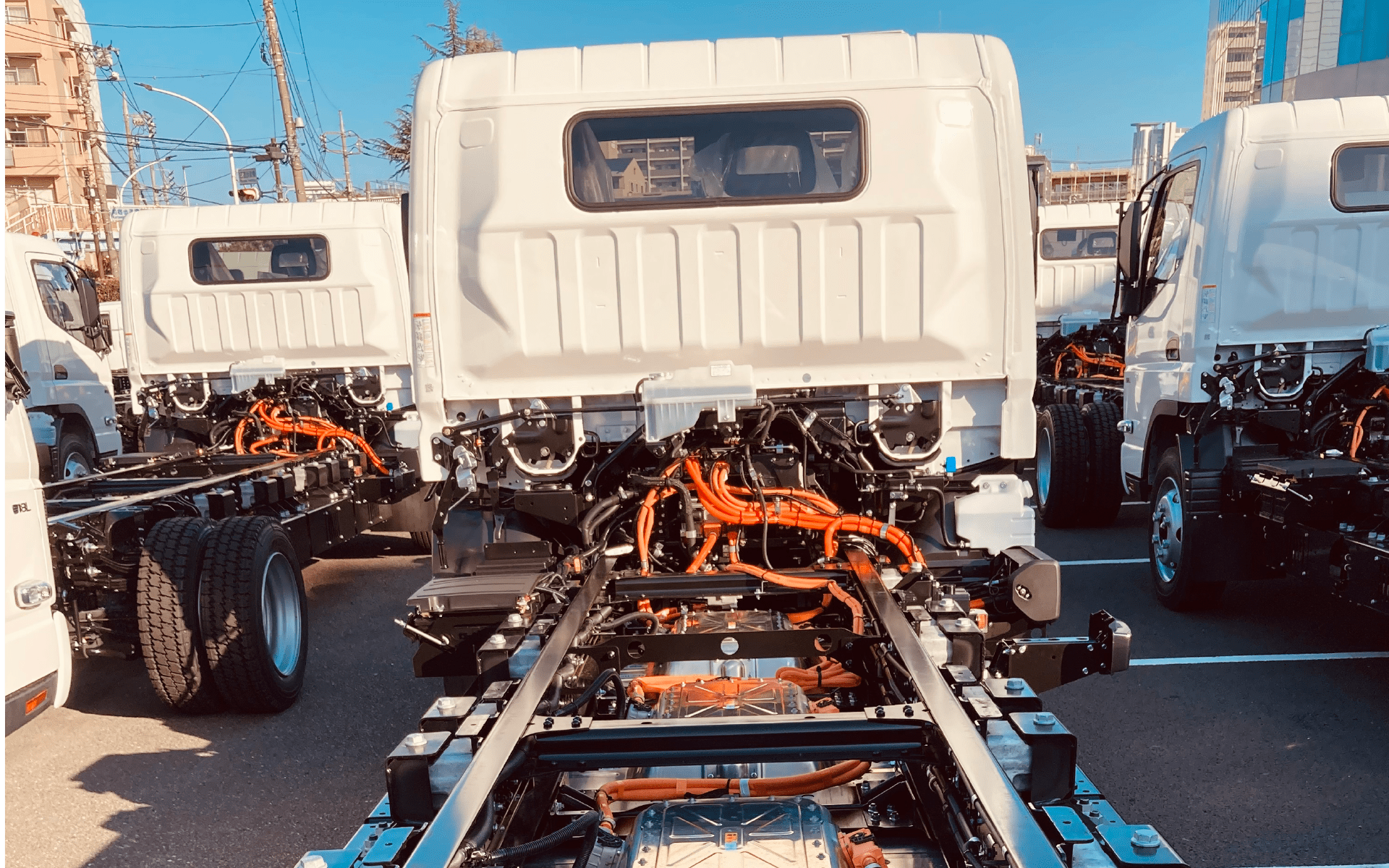
Battery monitoring is central to EV fleet management. Fleet operators need to understand:
• Current state of charge
• Remaining range
• Charging status
• Battery condition over time
With connected systems, this information can be monitored remotely across the entire fleet. Managers can identify which vehicles are ready for deployment, which need charging, and how range aligns with route requirements.
Energy-efficiency analytics also play a major role. Tracking energy usage per mile allows fleets to:
• Compare vehicle efficiency
• Identify inefficiencies
• Adjust routes or driving behavior
• Control electricity costs
Some connected platforms, including those deployed alongside vehicles like RIZON truck, provide dashboards that summarize energy efficiency and utilization trends, giving operators clearer insight into fleet performance over time.
Utilization and Operational Transparency

Utilization metrics help fleets determine how effectively vehicles are being used. In electric operations, this includes both driving time and charging time.
Key utilization insights include:
• Total miles driven
• Hours in operation
• Idle time
• Charging duration
• Fleet availability
By analyzing these metrics, fleet managers can adjust schedules and charging strategies to improve uptime and ensure vehicles are deployed where they’re most needed.
Modern EV fleet management systems increasingly provide graphical and tabular views of utilization data, allowing managers to track performance trends and make informed operational decisions.
Alerts, Safety, and Geofencing

Real-time alerts are another important component of EV fleet management. Connected systems can notify fleet managers when:
• Vehicles require maintenance
• Diagnostic issues appear
• Battery levels fall below thresholds
• Vehicles enter or exit designated areas
Geofencing features allow fleets to set virtual boundaries around depots, delivery zones, or restricted areas. Notifications can be triggered when vehicles cross these boundaries, improving coordination and safety.
These capabilities help reduce response times when issues arise and support more reliable fleet operations.
Data Visibility and Decision-Making

One of the biggest advantages of EV fleet management is the ability to make decisions based on real-time data rather than assumptions. Connected dashboards provide a high-level overview of:
• Fleet location
• Charge status
• Utilization
• Efficiency
• Alerts
With this information, managers can quickly determine which vehicles are available, which need charging, and how routes should be adjusted.
Connected fleet management environments — including those offered through systems like RIZONCONNECT — are designed to bring these data points together into a single operational view. By consolidating vehicle monitoring, energy tracking, and alerts, they help fleets maintain visibility and improve coordination across daily operations.